Addicted to Writing

Manage Your Freelance Writing Career While Writing What You Love

  • About Pinar Tarhan
  • Blog
  • Books
  • Hire Me: Services
  • Contact Me
  • Portfolio
  • Favorite Resources
  • Newsletter

Writer Laptops: Lenovo IdeaPad S540 Review

Posted on August 2, 2020 Written by Pinar Tarhan

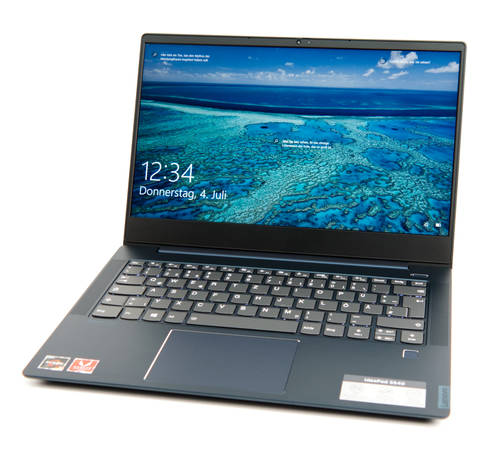
Lenovo IdeaPad S540


So why write a laptop review on a writing blog?

Because as writers, we are attached to our laptops. We spend so much time on it writing, researching, emailing, editing, learning, and more.

It’s essential that our laptops work fast, are light, and comfortable for our hands (so we don’t get nerve entrapment!). It’s great if it is affordable too, but we can spend some extra if it means we will be happier in the long run.

My previous laptop: MacBook Air (aff. link)

After my MacBook Air left me (but not before we had some prolific years together), I had to buy a new laptop.

I’m not an either/or person when it comes to Android vs. Apple or Windows vs. iOS.

I’ve always used an Android phone (Samsung and now Xiaomi), and my MacBook Air was an 11-inch (now discontinued), light, fast, easy to use thing of beauty that made me reconsider my stance on Apple.

I generally find Apple products pretty but too expensive and impractical. Sure, the phone cameras are amazing, but it drives me crazy how easily they crack, or how product features are removed because designers probably think we all swim in money. (When I buy an iPhone, I’ll probably also own a second Android phone just in case.)

So why switch back to Lenovo if I was so happy with my MacBook?

Partly because they discontinued my beloved 11- inch model, and whatever else they were offering was usually too expensive.

But the main reason was the long, exhausting and frustrating repair process my Mac put me through.

I didn’t want to give up my tiny and efficient working machine. But the fan gave out, the touchpad wasn’t working, the operating system went crazy… Not to mention random and frequent shutdowns.

Basically, I couldn’t do anything with it anymore.

My warranty had run out ages ago. And my neighborhood computer repair guy isn’t that experienced in fixing Apple – and Apple products tend to have different kinds of specialty parts.

So, I had to make several appointments at the Genius Bar, paid a lot of money to change the operating system and renew the fan and renew the battery…Yet the problems continued.

Moreover, the geniuses didn’t agree on what the problem was, so each time a different person diagnosed and fixed the computer.

This process took several months.

In the meantime, I started window-shopping for a new computer, and I got my old Lenovo fixed.

I don’t remember when we first bought it, but likely it goes back at least a decade.

The fixed large and heavy Lenovo was slow, but it  got the work done in the absence of another device.

I finally gave up on my Mac. It was sort of still working, but it was working at a pace that drove me crazy and shut down randomly.

Lenovo IdeaPad S540, 14 inch (my current baby)

I don’t like making big purchases online. Books and little things are fine, but I’d rather go to a computer shop in person, talk to the salespeople, physically see and try the devices before making this crucial purchase.

Lenovo IdeaPad S540 (aff. link) was the best choice when I bought it late last year.

It’s light (1.5kg), though not as light as MacBook Air.

It was cheaper than most MacBook Airs, though it was an expensive contender among other Windows-run counterparts.

It was fast, new, and had impressive features:

Taken from Google:

ProcessorUp to 10th Gen Intel® Core™ i7
Operating SystemWindows 10 Home
GraphicsIntel® Integrated Graphics NVIDIA® GeForce® MX250
DisplayUp to 14″ FHD (1920 x 1080), IPS, antiglare, 300 nits, 72% NTSC optional Glass finish (glare)


I might have also been tempted by all the gifts that came with the promotional campaign: a Canon color printer (E414) with cartridge, a backpack suitable for carrying laptops, and a mouse. (I prefer working with one.)

And while these were gifts, the cost went up because I also bought four years of McAfee Antivirus and a lifetime subscription of Microsoft Office for one device.

Additionally, I bought extra insurance that includes user error.

All in all, I think it added up to 1,434 USD. (I used today’s conversion rate.) The computer itself was about a grand at the time.

The use was great.

But the fan had problems relatively early, I think after a few months.

The battery stopped being efficient before a year passed. Touchpad stopped working.

Early in July, it stopped working completely. I had bought the device in September 2019.

I took it to the store, and they gave me a fixed computer for free: new battery, fixed and cleaned fan, working touchpad.

It stayed at the shop (a Mediamarkt in Istanbul) took care of sending for repairs) for about a week. Remember, it’s still under warranty.

It is working perfectly again. Fingers crossed it lasts.

I do, however, use a computer more than the average person. I also use it a lot from my bed or a sofa, as opposed to on a desk – which I’m told is a bad habit.

I’m practically attached to my laptop, being a writer who doesn’t own a TV and all.

I’m not on my phone as often as I’m on the laptop, and I watch Netflix here as well.

It’s not like I can go to coffee shops comfortably and frequently at the moment.

Maybe my computer developed COVID anxiety, as well as boredom from working from the same place all the time.

Oh well.

Note that I didn’t drop it, hit it, or spill anything on it. There was no user error.

By the way, remember the old Lenovo I had repaired months ago when the Apple crashed? It is still working. Knock on wood.

*

The verdict:

So, should you buy a Lenovo? Current evidence suggests yes, but before investing in an IdeaPad, I’d wait a little longer if I were you.

Let’s see how long the repairs will be effective for.
Filed Under: Reviews for Tools and Devices Tagged With: laptops for writers, lenovo s540 laptop review, lenovo s540 review

How to Give and Receive Negative Feedback As A Writer

Posted on June 29, 2020 Written by Pinar Tarhan

Ah, negative feedback. The bane of every writer’s existence.

You put your heart, soul mind, sweat, and blood to a piece or worse, a manuscript, and someone truly hates it.

As much as writers have learned to receive rejections from editors and publications with grace, it still affects us emotionally and sometimes, even physically.

After getting a really negative feedback from a friend on one of my novels, I became physically sick.

Now, I’m not being dramatic. And there were obviously other factors contributing to it: We are all emotionally fragile since 2020 has screwed us big time. There is a lot of pent-up anxiety in all of us.

How can there not be?

The things we usually do to relieve our stress, depression, anxiety, frustration, or boredom are no longer really available to us.

Walking about just to be walking about is nowhere on my top 10 favorite things-to-do list, but since most things are off the table, what’s got a writer to do?

And even walking is not the same, is it? You have to wear a mask, be careful not to touch your face, avoid anyone who is not wearing a mask, and wonder if or when the world will ever get back to normal.

Add this global, everyday anxiety and uncertainty to the general anxiety and uncertainties of being a writer, and you’ve got an explosive mix.

The negative feedback was just the tipping point.

But I digress.

There is a reason writers rejoice in the rejection stories of famous, accomplished writers. Not because we enjoy other people’s misery, but because it is a relief to know that rejection and awful feedback happen to the best writers out there.

So, how do you give a negative review or feedback?

Look, it is okay to feel or think absolutely anything about a writer’s work.

It is okay to hate everything about it.

It is okay not to finish the book if you can’t stand it, even if you are friends with the author.

But even if you are a fan of tough love or you mean well, you can still do more harm than good.

Here’s how to go about it.

Start with this:

“I didn’t really connect with the story/characters/plot/dialogue (etc.)” Or “This just didn’t appeal to me.”

Now, this gives the writer a good idea about your opinion.

Before giving a long list of what sucks or doesn’t work, give the writer a chance to brace themselves.

If they want to hear more, they will ask.

And if they ask, continue. But let them take the lead.

If they ask you to stop, please stop.

Here’s a thing to remember about your feedback: It is subjective.

Even if you think you are really helping the author in the long run. Even if you think your suggestions will improve them.

Don’t believe me about subjectivity?

Think about all the critically and/or commercially successful books that you hate.

I’ll wait.

There are many, aren’t there?

  • Why did your English teacher force those awful books on you?

Because enough people considered them classics.

  • Why on earth did they write a sequel to that novel?

Because there was demand. Because enough people enjoyed the first.

  • How could that writer with that horrendous story and stupid characters make so much money?

Because the characters are stupid, according to you. The fans didn’t think the story was horrendous, obviously.

So, take a deep breath, and think about how much of your own preferences affect how you see the story.

For instance, if you don’t find the romantic lead attractive due to some qualities, are you sure no one else will?

The writer sure thought he was attractive. The first readers agreed. (We do give the same book to more than one person, you know.)

Think about how much you care about rules and whether this writer just broke too many of your favorites

Some writers and readers think prologues shouldn’t exist. This doesn’t mean no prologue can be good and necessary for the story.

Some people are adamant flashbacks are lazy. Still, some flashbacks are vital to the story.

Some people love first-person POV stories. Others? Not so much.

Only two things are a given:

  • The story should be well-edited for the use of language,
  • The story should make sense in the world that it takes place in, there aren’t that many rules.

Being different or unconventional doesn’t automatically make it bad.

When you say a character doesn’t sound like their gender, are you sure you know how literally everyone speaks? Or are you stereotyping people according to your preferences and experiences?

When you suggest a writer studies craft, you might offend them to their core.

Because while statistically it is possible there are writers who don’t study craft, I can assure you, a lot of us do. Obsessively.

In fact, we often have to remind ourselves to stop reading books about writing and practice actual writing.

And when you are giving feedback, you should keep the writer’s intention in mind.

What do they hope to achieve?

If they want to entertain, and you were bored, that is obviously bad. But it doesn’t mean other people weren’t and won’t be entertained.

But you might be looking for literary skills and ambition in a writer who simply wants to give people a fun, imaginative place to escape.

Intention also matters.

How can writers receive such negative feedback?

They can thank the reader for their time and effort. And they can take what they find useful and discard the rest.

Not all feedback is constructive or helpful.

I wrote about evaluating your own feedback for Bang2write: 5 Ways To Evaluate Your Feedback.

In the article, I mainly talk about reacting to screenplay feedback and evaluations, but the same lessons can be applied to novel feedback.

If you don’t want to read the article now, here’s what to consider in a gist:

  • Does the feedback-giver enjoy the genre and style you write in?
  • Does one person say this? Or do a lot of people agree independently from each other?
  • What does your gut say?

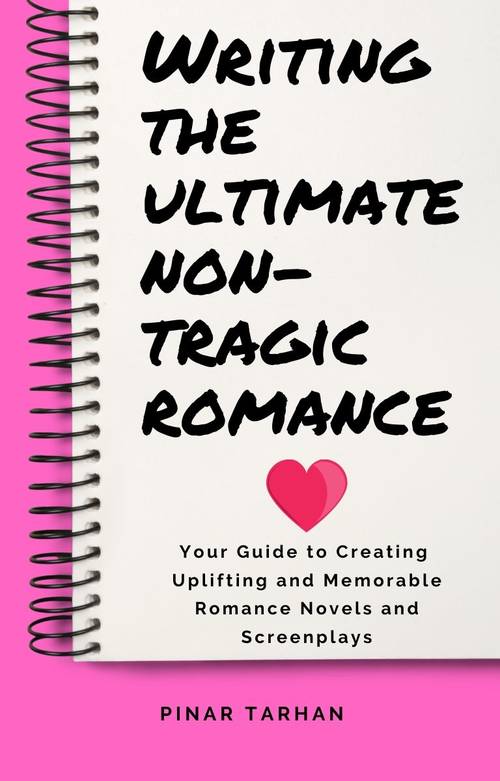
I wrote the book Writing the Ultimate Non-Tragic Romance. In the book, I go over a lot of movies, and I talk about why certain elements didn’t work for me.

And when I do, I emphasize the following:

a) It is my opinion,

b) I decide on the elements according to the factors I established early in the book,

c) And me not liking a movie or something about a movie doesn’t automatically make it bad.

There are movies that have been commercially and critically successful where I just didn’t have a good time during.

This is about me. My preferences and what I look for.

It’s okay to feel shitty after a negative review.

Every time you get scathing or just plain negative feedback, just take a deep breath. I know you will feel awful because your story is your baby.

And somebody either told you they are ugly and/or you shouldn’t have had them. Or you should have just done everything differently.

Don’t attack the feedback giver. Keep your cool – at least on the outside. Thank them.

Then take what’s useful, and ditch the rest.

If necessary, write about it to feel better and help others. (Writing can be meta, I know.)

Before you leave, I want you to consider these:

  • My favorite movie is Braveheart. I just love it. A TA in college referred to it as just “two guys running toward each other.”

Take that in for a sec. This is a movie that made a profit. It is the favorite or one of the favorites of a lot of people. And it has 5 Oscars.

Who is right here?

Both of us!

And that is the point.

He has the right to hate the movie just as I have the right to love it.

So, the next time you get disappointing feedback, do whatever you need to feel better.

Just don’t bite the head off the feedback-giver.

However, it is okay to ask them to politely stop if you can’t handle it, or you just disagree after having thought about it.

And then move on.

Don’t let it stop you from writing. Don’t let it stop you from sharing your work with others.

And if my movie example didn’t cut it:

  • Remember that agents and publishers collectively rejected John Grisham’s first novel, A Time to Kill (aff.link). Then they loved the second one he pitched, The Firm (aff.link).

Does A Time to Kill sound familiar? It is also a movie starring Matthew McConaughey, Sandra Bullock, and Samuel L. Jackson. It is a bestseller whose movie adaptation is rated at 7.5 on IMDB.

Same author. Same story. Different timing.

All we can do is hope we improve with each story, and that the next reader has more fun.

Good luck! You’ve got this!

Oh, and if you think your feedback has more value because you are a writer, you might also want to read How (Not) to Critique Another Writer’s (Fiction) Work As a Writer.


Filed Under: Writing Tagged With: giving negative feedback, giving negative feedback to creative work, how to give negative feedback to a writer, how to react to negative feedback as a writer, how to react to negative reviews

Book Launch: How to Write the Ultimate Non-Tragic Romance

Posted on June 18, 2020 Written by Pinar Tarhan

I wrote another book!

Currently available in only e-book form, you can have my latest book How to Write the Ultimate Non-Tragic Romance for free. It’ll be free on Amazon Kindle from tomorrow till 24th (it’s over on the 24th!)

You can also reach out to me for the next five days and get the pdf for free as well.

What’s the book about?

The book is all about creating an amazing romance with a happy ending.

So basically, say goodbye to tragic diseases and other situations that end in death.

I’ve made a couple of exceptions for when even the happy-ending, happy-story-loving folk like me will forgive you for an “unhappy” ending and dead characters.

The book talks about many romantic comedy and romantic drama movies, as well as including other genres in your romance.

The reason I go over movies in the book is simple: You’ve either watched them or heard about them. Several are already on Netflix and other streaming services of your choice. Some are available in full on YouTube.

And even if you saw them a while ago, you can hop on to the movie’s IMDB page for a refresher or YouTube for the trailer.

For romance writers and romance writing enthusiasts, it’ll be much faster than reading a book from scratch and then analyzing the elements.

That said, if you want to write great romance novels, you need to read romance novels.

I’ve included a short list of some of my favorites in the book. I’ve also mentioned which of the movies are based on novels, so you know the book came first. Even if you watched the movie, it’d be a smart move to read the book as well.

And if you need help with finding an idea, deciding on your publishing path, getting started on an author platform and such, you can read my book “How to Write an Amazing Romance Novel.”

Here’s what Writing The Ultimate Non-Tragic Romance covers chapter by chapter:

Why You Might Want to Write a Non-Tragic Love Story

My Favorite Romcoms

Writing a Romcom or a Romantic Drama Where Romance Isn’t the Priority

Romantic Dramas with Happy Endings

Going Outside of Hollywood: Turkish Romcoms & Romantic Dramas

Exceptions: When Your Audience Will Forgive You for Killing Your Characters (even if they ultimately prefer happier stories)

Writing a Happy-for-Now Ending

When to Give Audiences What to Expect and When to Surprise Them

How to Start When You Feel Blocked, Overwhelmed or Clueless

The Most Important Thing You Should Do (Other Than Writing)

Overused Tropes

Realism vs. Escapism

A Word on Real Life Ethics/Values vs. Fictional Storylines

Screenwriters I Recommend Becoming Familiar With

Romcom Novel & Author Suggestions

A Note on Diverse Writers and Characters

Key Takeaways

*

While my book on writing an amazing romance novel covers all romance writing efforts, this book focuses on creating a healthy, happy romance with a satisfactory, pleasant ending.

More on the Author

When you come across a reference book, it is only natural to wonder who the author is and why she knows what she is talking about.

  • I’m a romantic. I watch romantic comedies and dramas at such a speed that Hollywood can hardly keep up with me. And I frequently go outside of Hollywood to find more.
  • I’m an experienced writer. I’ve been creating fictional stories for a long time. My screenplays have placed in contests, and I specialize in romance.
  • I’m a romance novelist. My first novel Making A Difference (M.A.D.), a contemporary romantic comedy set in New York, is available on Amazon. I’m currently working on my second novel, a romcom drama set in California. I also have other romantic novels and screenplays in different stages of progress.

*

Want the pdf for Writing the Ultimate Non-Tragic Romance for free? You can reach out to me via the comments on this post or my Twitter to ask for the pdf until the 24th of June.

Happy reading!

Filed Under: Fiction Writing, Writing Tagged With: how to write a happy romance, how to write a romance novel, how to write romance

Books with Writer Characters: Camino Island by John Grisham

Posted on May 8, 2020 Written by Pinar Tarhan

I’m fascinated with the writing craft and the world of writers. In addition to running this blog about writers, and penning books and articles on the topic, I analyze movies and TV series with writer characters, and the broader themes and lessons they provide for us writers. You can check out the blog posts here: Fictional Writers in Movies, TV, and Books

While my preferred medium is always written, don’t be surprised if I start creating “Writer reacts to writer characters” videos on YouTube. Maybe they won’t be as interesting as lawyers or doctors’ reaction stuff, but hey, we will see. 🙂

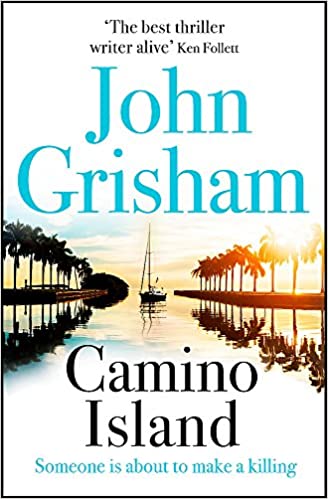
For this post, instead of TV or film, I’m picking a book with a writer protagonist: Camino Island by John Grisham, my favorite author.

Hope you like it!


Plot Summary for Camino Island

A group of pro thieves still F. Scott Fitzgerald’s original manuscripts from the Princeton Library archives, and the FBI is nowhere near solving the case.

The insurance company, however, is certain bookshop owner Bruce Cable has them and convinces struggling writer Mercer Mann to spy him. Her cover is simple and believable enough: She’s there to work on her next book (which is true) at her deceased grandmother’s house on the island (also true). All she has to do is get close to Bruce, which should be easy enough. Bruce loves all writers and is rumored to have flings with beautiful women ones.

Mercer unwillingly takes on the task and finds herself a great community of writers, as well as a handsome romantic interest.

Can she get close enough to Bruce to find out his secrets? And if she does, will she be able to sell him out?


Thoughts on Camino Island

This is a rare John Grisham novel. It’s crime fiction as opposed to a legal thriller. There are lawyers involved, but they have small parts. The leads are a bookstore owner and a writer, and as a seasoned writer himself, it is not surprising that Grisham captures the diversity of the writing world and the many issues writers face so well.

It’s definitely entertaining, and Bruce Cable will return in the sort-of-sequel in Camino Winds.


Writing World Related Issues Covered in The Book

  • Writer’s block and inspiration

Mercer has been blocked for years. Neither her student loans nor her problematic relationship with her complicated family helps.

  • Writing fictional stories about real people

In order to help Mercer out of her block, the writer community – especially steamy romance author Myra and Bruce, they steer Mercer toward an idea. Bruce also shares about the manuscript an ex-girlfriend was working on before she died: a fictional affair between Fitzgerald’s wife and Ernest Hemingway. While she entertains the idea for a bit, she eventually writes her own thing.

  • Literary acclaim vs. financial success

Myra’s longtime girlfriend Leigh is a literary author with little financial success. As it turns out, Myra and Leigh have created many of the steamy romances together, finding quite the success. Unfortunately, a lawsuit interfered with their productivity.

Myra is often quick to point out how the mainstream novels enable them to live the comfortable life they lead on the island. Leigh tries to keep herself distant from the “thrashy” novels even though she enjoys the fruits.

  • Networking and socializing

As much as I like my personal space and alone time, I also love people. I love meeting writers and talking shop with them. I suspect it is true for every profession. Non-doctors (other medical professionals excluded) will probably not get doctors as well as their colleagues do. Architects will need other architects and so on.

And writing is its own animal altogether. We spend so much time in our heads and in front of our screens, but at the same time, we try to lead exciting lives so that we write exciting stories. Talking to other writers makes me feel, well, normal and understood.

As much as normal is a relative concept, people in non-creative fields, especially if they are not freelancing, are not likely to understand writers as well as writers do.

As I read parts of Camino Island in my house during a pandemic, I envied the dinners these writers had. I’d love to live in a community full of supportive writers.

I’ve tons of online writer friends, but I prefer meeting them in real life. Fingers crossed for all of us to survive this so that we can look forward to writing conferences, networking events, and chance meetings.

  • Substance abuse

One of the writers in the story is an alcoholic who eventually gets into rehab and stays sober. Another writer had a similar problem.

  • Drawing inspiration from the writer’s own life

My second novel A Change Would Do You Good, which is being edited at the moment, was inspired immensely by the month I spent in Santa Barbara, California.

In Camino Island, Mercer eventually decides to write fiction inspired by the time she spent with her grandmother.

  • Book signing

As a self-published author, I haven’t had a book signing yet. Frankly, I’d love to meet fans, talk about my work, and answer their questions. I hate my signature, but it’d be a small price to pay for the honor.

In the novel, Mercer cancels her remaining events for her first book after the disappointing turnout at the first couple of bookstores.

She was originally reserved a spot at Bruce’s bookstore which she canceled. Otherwise, they would have met before she gets hired about the stolen manuscripts. Maybe she wouldn’t even be approached to be a “spy” at all. This is an important plot point, as well as writer marketing in general.

  • Teaching and beyond.

A lot of writers teach. I love teaching.

Even though I haven’t taught writing yet, I’ve published How to Write an Amazing Romance Novel where I take romance novel enthusiasts through the whole process. For my next non-fiction project, I’m thinking about a guide on writing your first novel.

*

There you have it. Camino Island will please Grisham fans, crime fiction lovers and writers – especially those who love bookstores and other writers, fictional or not.

*

Have you read a novel featuring a writer lately? Let me know in the comments.

Related Posts Plugin for WordPress, Blogger...

Filed Under: Fictional Writers: Writer Characters in Movies, TV Series and Books Tagged With: camino island, camino island john grisham, John Grisham, john grisham camino island, writer characters, writer characters in novels

  • « Previous Page
  • 1
  • …
  • 15
  • 16
  • 17
  • 18
  • 19
  • …
  • 76
  • Next Page »

Blogroll

  • My Entertainment Blog

My Other Blogs

  • Beauty, Fitness & Style for the Fun-Loving Gal
  • Dating & Relationships in the 21st Century

Categories

  • Author Interviews
  • Author news and coverage
  • Blogging
  • Book Launches and Excerpts
  • Book News and Author Interviews
  • Book Recommendations
  • Book Reviews
  • Career Management for Writers
  • E-Book Reviews
  • Fiction Writing
  • Fictional Writers: Writer Characters in Movies, TV Series and Books
  • Inspiration and Motivation
  • Marketing
  • Marketing Fiction
  • Movie and TV Series Recommendations
  • Novel Reviews
  • Paying Markets-Web and Print
  • Productivity & Time Management
  • Recommended Resources
  • Reviews for Tools and Devices
  • Romance
  • screenwriting
  • Self-publishing
  • Story Conflicts
  • Website & Blog Reviews
  • Writer Tools
  • Writing
  • Writing Tools
  • Writing Updates

Copyright © 2026 · Focus Pro Theme on Genesis Framework · WordPress · Log in

This website uses cookies to improve your experience. We'll assume you're ok with this, but you can opt-out if you wish.Accept Reject Read More
Privacy & Cookies Policy

Privacy Overview

This website uses cookies to improve your experience while you navigate through the website. Out of these, the cookies that are categorized as necessary are stored on your browser as they are essential for the working of basic functionalities of the website. We also use third-party cookies that help us analyze and understand how you use this website. These cookies will be stored in your browser only with your consent. You also have the option to opt-out of these cookies. But opting out of some of these cookies may affect your browsing experience.
Necessary
Always Enabled
Necessary cookies are absolutely essential for the website to function properly. This category only includes cookies that ensures basic functionalities and security features of the website. These cookies do not store any personal information.
Non-necessary
Any cookies that may not be particularly necessary for the website to function and is used specifically to collect user personal data via analytics, ads, other embedded contents are termed as non-necessary cookies. It is mandatory to procure user consent prior to running these cookies on your website.
SAVE & ACCEPT