Addicted to Writing

Manage Your Freelance Writing Career While Writing What You Love

  • About Pinar Tarhan
  • Blog
  • Books
  • Hire Me: Services
  • Contact Me
  • Portfolio
  • Favorite Resources
  • Newsletter

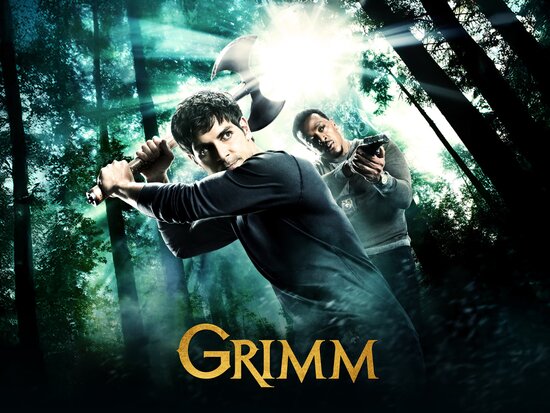
Why the Enemies-to-Lovers Romance in Grimm Works So Well

Posted on April 18, 2026 Written by Pinar Tarhan Leave a Comment

Enemies-to-lovers is one of the hardest romance tropes to pull off well.

Yet Grimm does exactly that. Over six seasons, it transforms one of its most antagonistic dynamics into a surprisingly grounded, emotional, and believable love story.

Even more impressively, it does this while juggling crime procedural plots, supernatural worldbuilding, and multiple romantic arcs.

So what makes this enemies-to-lovers storyline work so well?

Let’s break it down:

What Is Grimm About? (Quick Overview)

At 29, Nick’s shocked to discover he’s a Grimm, hunter of diverse supernatural creatures named Wesen, and that there’s an entire supernatural world out there. At this point in his life, he’s happy: He loves working with his best friend/partner detective (Hank), and he adores his live-in girlfriend Juliette.

Grimms can see “Wesen” when they go through intense emotions. Since regular people can only see them if the Wesen chooses, most people don’t know Wesen or Grimms exist.

As Nick struggles with his new identity and the mountain of new information he needs to digest, his secret puts a strain on all his relationships. Moreover, unbeknownst to him, his boss Captain Renard knows his secret, and he just might be one of his biggest enemies.

A new case leads Nick to a not-so-fun first interaction with Monroe (Blutbad) – a wolf-like Wesen. But as Monroe teaches Nick, there are good Wesen too. Soon, Nick’s relationship with Monroe turns into one of the most wholesome bromances of supernatural television.

As we solve one isolated case in each episode, we learn more about the Wesen world, Nick’s past, and who exactly Renard is.


The Romantic Dynamics in Grimm

Spoiler Warning: This post discusses major plot points from all six seasons of Grimm.

Please note that this is not meant to be a chronological, all-encompassing summary. However, I included the most pivotal moments to provide a sufficient overview of the romances. The friends-to-lovers and established couple romances are included to provide context for the enemies-to-lovers romance.

1. Nick and Juliette — The Established Relationship

Starting the show with a main character in a loving relationship is an excellent choice. We root for Nick harder, and it makes it even more devastating when things go wrong because of his destiny.

If you like men and enjoy healthy romances, Nick’s the guy you want: smart, sweet, loving, loyal, and painfully gorgeous.

We also get to see a healthy adult relationship as opposed to the angsty, star-crossed romances most supernatural stories have.

What goes wrong (1): Adalind, a witch-like Wesen called Hexenbiest.

When Nick makes her lose her powers after everything she has done to him and his loved ones, she turns into a regular woman. Adalind’s disappointed mom shows no sympathy.

Adalind still finds a way to use magic for revenge: She puts Juliette in a coma where she loses all her memory of Nick.

Eventually, Juliette regains her memory, and they resume their relationship, but not before putting both through hell. But there’s a silver lining: Shortly after getting her memories back, she learns Nick’s secret.

What goes wrong (2): Adalind.

Adalind gets pregnant with Renard’s baby, and later manages to get her powers back. But with her powers still inconsistent, and her baby under the threat of the Royals (a significant subplot), she finds herself under the protection of Kelly Burkhardt, Nick’s mom, and another powerful Grimm.

Not knowing who Adalind is, Kelly brings them to Nick for protection. Nick and Renard (an ally at this point) are both convinced that the best way to protect this child with royal blood is raising her away from everyone, including Adalind, so they devise a plot. Enraged with grief, Adalind cuts a deal with the Royals and does something horrific to take away Nick’s powers: She “becomes” Juliette through powerful magic and has sex with him.

Nick and Juliette work through this while adjusting to a life without Nick’s powers. But with so much Wesen crime, and Rosalee (a friendly Wesen) and Monroe in mortal danger because of an extremist Wesen group, they make Nick a Grimm again: Juliette uses similar magic and “turns into” Adalind temporarily and has sex with Nick. This decision comes with unforeseen side effects: Juliette slowly becomes a hexenbiest.

At first, she’s afraid to tell Nick, creating distance. When she finally tells him, she is convinced their relationship will never survive this. As she embraces her powers, she becomes a formidable enemy.

While Nick and Juliette are broken up at this point, their forever end comes when Juliette makes a deal with the Royals to lure Kelly (Nick’s mom) back to Portland. Kelly’s murdered, and Juliette tries to kill Nick.

Nick only survives as Trubel, a fellow Grimm, “kills” Juliette. Trubel and Juliette’s body are both taken from the crime scene by an unknown organization.


2. Rosalee and Monroe — Friends to Lovers

When Wesen Rosalee becomes a target, Nick asks Monroe to help keep an eye on her.

They become friends, and it slowly turns into a deep connection. After dating for a while, they move in together.

Before their wedding, they have to deal with Monroe’s parents who are against inter-species dating, but Monroe makes it clear that if they don’t accept their relationship, they will lose him forever.

After their wedding, they reckon with a Wesen hate group kidnapping Monroe.

They manage to put an end to the group, and Rosalee and Monroe get their happily (eventful) ever after.


 3. Nick and Adalind — Enemies to Lovers


If you’d told me this was going to happen during season 1, I wouldn’t have believed you. But the writers made it organic and lovely.

After Adalind, disguised as Juliette, sleeps with Nick, she becomes pregnant. She realizes that her only means of survival is Nick’s protection against Juliette, a furious and powerful hexenbiest hellbent on killing her.

Nick chooses to protect his child. In an effort to “fix” Julitte, Adalind helps the group out, even testing the hexenbiest “suppressor” – a potion that will suppress her powers – on herself to make sure it will work. This marks the start of Adalind being helpful and trustworthy.

Juliette turns it down and almost makes Nick kill Monroe using her powers, burning all her bridges in one go.

Adalind gives birth and names the baby boy Kelly after Nick’s mom, as she was the one who kept Adalind and her baby alive.

She also asks Nick to raise the baby together, and she moves in with him. He sells the house and moves them to a safer warehouse-type loft.

Unable to sleep due to nerves, Adalind asks Nick to sleep beside her since she will sleep better knowing he will kill anyone wanting to hurt them or their baby. Nick agrees. (Which also gives us the one-bed trope).

Living together, raising a child together, and seeing Adalind be a good mom/friend/roommate brings them closer together. Adalind has changed for the better: She sincerely apologizes for what she has done to Nick and Juliet, and says she wishes she could take it all back. Nick corrects her by saying except for their son, and she agrees. They kiss, but afterwards they agree that it might be too complicated.

(Side note: I should briefly mention that at this point Juliette is alive and working for an organization that deals with bad Wesen – the group Trubel is also with. Her evil tendencies are broken down. She’s powerful, but doesn’t feel. She calls herself Eve. Meeting Eve and getting used to her is an adjustment.)

Nick and Monroe need to go to Germany to find what Nick’s ancestors buried centuries ago. Before Nick leaves, Adalind tells Nick she’s worried and she loves him. They make love for the first time. They are both surprised by how much their relationship has changed.

Meanwhile, there are still some secrets between them. Adalind’s powers are slowly coming back, but she’s afraid to tell Nick. Renard calls her, asking to meet up.

With Nick’s support, Adalind returns to work at her old law firm where they know what she is.

When the city’s mayoral candidate, who Renard publicly supported, is murdered, the candidate’s campaign team asks Renard to replace him. As a zauberbiest (male hexenbiest) who loves power, he accepts.

To guarantee victory, they want Renard to have a family, so they threaten Adalind with Nick and Kelly. To protect them and reunite with her daughter Diana (her child with Renard), she goes to live with Renard. She leaves a note for Nick explaining why, and it takes all his friends and his willpower to stop Nick from violently confronting Renard.

But he still has to work for Renard. And after he wins the election, Nick confronts him. Renard has him arrested. When Wesen cops take over, Nick’s life is put in danger. With the help of Wu (another cop/friend in the know) and Hank, he manages to escape, but he has to remain on the run.

When he gets the chance, he reunites with Adalind. However, the Zauberbiest in charge of this new order, Bonapart, is more powerful than her. She misses Nick and their family. Nick tells Adalind to hold on a little longer. (Luckily, Diana gets her father to kill Bonapart using her powers.)

Nick finally beats Renard for good: He uses the spell Adalind used to replace Juliet. He “becomes” Renard and resigns on camera before he officially takes office. Renard agrees to reinstate Nick and lets Adalind and the kids go.

Nick and his friends return to work, though they still work for Renard.

Adalind and Nick’s relationship is stronger this time, as there are no more secrets.

Nearing the series finale, Nick and Eve cross over to the other world to battle a devil-like creature seeking Diana to make her his child bride. Inadvertently, they bring him back to this world, so a protective spell’s placed on Diana.

Nick takes Adalind, Renard, and the kids to a remote place the creature won’t be able to find. Before he leaves, Nick tells Adalind that he loves her. She tells him that she loves him too.

Nick eventually wins after what seems like an all-is-lost forever moment and reunites with his loved ones.

20 years later, Nick and Adalind are still together, and Diana and Kelly are keeping up the family legacy with them.


Why Nick and Adalind’s Enemies-to-Lovers Arc Works

If you’re a romance writer or trope lover, you might want to bookmark this for later.

 1. Supernatural Stories Allow Moral Flexibility

Supernatural stories have a better shot at making enemies-to-lovers work, precisely because our morals are more flexible while reading and watching such genres.

Take me, for instance. I’m all for healthy relationships where couples haven’t stabbed each other in the back prior to getting together. But this is also the type of story where we don’t care if a centuries-old being falls in love with a teenage/young adult human, readers love a bad “boy” character with a serial killer past (hello Stefan from TVD!) or even a psychotic present (hello, *Damon from TVD!).

Compared to many other supernatural show characters, what Adalind did is relatively mild and forgivable, especially since she changed, took accountability, and made up for it with her later behavior. There were also many mitigating circumstances.,

 2. Adalind’s Actions Are Contextualized, Not Excused


  • When she slept with Nick as Juliette, she didn’t know she was going to be pregnant, just like she didn’t know Juliette would turn into a hexenbiest.
  • How Juliette handled being a hexenbiest wasn’t on her.
  • She didn’t have a loving childhood or anyone who loved her unconditionally. Both Renard and her mom used her, and then they discarded her.
  • Nick’s mom saving her was kindness she’d never experienced before. And we do feel for her when her daughter Diana’s taken away. While Nick and Renard meant well, there was no way she was going to take it sitting down while postpartum and not knowing where her kid was.
  • As much as she tried to kill Nick and Hank while she was a hexenbiest, that came from Renard, who she was romantically involved with earlier in her life.
  • She never set a trap for Nick’s mom. Juliette felt bad when she found out what happened to Kelly, but that didn’t stop her from trying to kill Nick.


 3. Compatibility Matters

Attraction is great, but making a committed relationship work takes compatibility.

Before Nick was a Grimm, Juliette and Nick were right for each other.

But having to constantly keep secrets from each other doesn’t make a healthy relationship. She didn’t take it well when Nick tried to tell her either.

Adalind is a supernatural. They have a kid together. She is powerful, and the final time she became a hexenbiest, she carried her love for her family with her. There were no evil side effects that came with her powers.

The enemies-to-lovers trope was expertly helped by one-bed, close proximity, and surprise pregnancy tropes.

4. The Relationship Evolved Through Close Proximity

Former enemies turned to coparents first. Then their peaceful coparenting was helped by:

  • Close proximity (by living together)
  • One-bed

And let’s not forget the trope that started it all:

  • Surprise pregnancy


 5. Nick’s Perspective Shifts Gradually

Nick doesn’t just wake up one day and find himself inexplicably drawn to Adalind. He sees her change and be consistent in the change day after day.


 Final Thoughts on Grimm’s Enemies-to-Lovers Romance

This enemies-to-lovers arc is earned because the writers took their time and didn’t “forget” or ignore anything in the past. This main trope was supported by several other well-chosen tropes that felt natural.  These aren’t just romantic conveniences; they create repeated, unavoidable moments of vulnerability and intimacy.

From the moment they moved into the loft together, I was rooting for Adalind and Nick, and this is coming from someone who loved to hate Adalind for about 4,5 seasons.


*


How do you feel about this enemies-to-lovers storyline? Let me know in the comments. 🙂


Filed Under: Fiction Writing, Romance Tagged With: Grimm enemies to lovers, Grimm romance analysis, Grimm TV show relationships, Nick and Adalind relationship, supernatural romance tropes, why enemies to lovers works

Newsletters for Writers: Why You Need One & How to Run It Successfully

Posted on March 1, 2025 Written by Pinar Tarhan

Note: This post contains affiliate links. Buying through them doesn’t cost you extra, but it does drip into my coffee fund. I only recommend stuff I use and like.

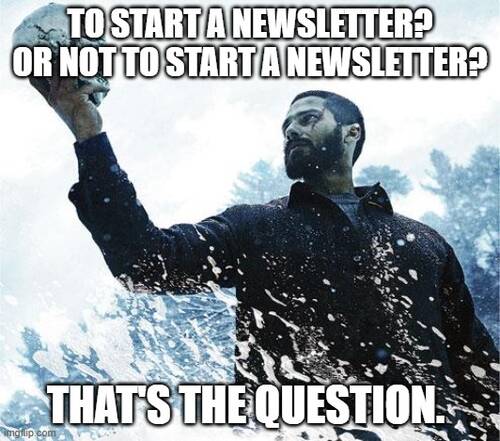
Not everyone needs a newsletter. But if you are a writer building an audience, you need one.

Social media doesn’t cut it. You never know what governments or algorithms will do.  You need a place you control to reach your potential and current customers.

While you might be lucky enough to live in a country where you don’t wake up to your favorite apps being banned, social media is still not the basket to keep all your eggs in. When I first started using Facebook, my friends saw all my posts. Now I celebrate if twenty people see it. Sure, you can make your social media posts as shareable as possible. But you’re still at the mercy of ever-changing algorithms. Not to mention, social media sites want you to pay to be seen. Hence, the amount of advertising options.

Don’t get me wrong. I like social media. In addition to IG, I’m on Facebook, Twitter, LinkedIn, and TikTok. But I have my own self-hosted WordPress blog (which you’re on right now) and a newsletter hosted via Kit (aff. link).

I’m a romcom novelist, a freelance writer, and blogger. If I need to switch newsletter or hosting services one day, I will still have my posts and contacts.

There is only one question to help you decide if you need a newsletter:

  • Are you selling a product or a service? This, of course, includes your books.

If the answer is yes, you need a newsletter. If you’re a blogger or an author, the answer is yes.

It’s easy to feel overwhelmed. There are many alternatives. However, you can get started for free or on the cheap and then upgrade/switch if you need to. You can keep it as basic or complicated as you want.

And what if you don’t want to?

Obviously, it’s your call. But do you really trust all your business to come from websites and apps where you are the product?

No? Great. Go start that newsletter. Even if everyone you know and their 3rd cousin has one.

How to Choose Which Newsletter Service

  • Price
  • Functions
  • Ease of Use
  • Monetization options

There are many options, and you need to take your budget, audience size, and functionality into consideration first.

People swear by Mailchimp and MailerLite. I tried both, and for the life of me I couldn’t figure out how to do certain things. I switched to Kit (formerly Convertkit). Kit (aff.link) offers a free plan if you have fewer than 10,000 subscribers.

I like Substack, but I’m a little offended they still don’t offer newsletter monetization options to Turkey. (Substack gets you paid via Stripe, which isn’t supported in Turkey.)

As in, you can charge for your newsletter if you want. On Substack, you can offer free and paid tiers. The problem? The pricier the tier, the more comprehensive the content. Check your workload, and whether you can use Stripe when you consider this route.

How to Create and Plan Content: Scheduling, Frequency, and The Writing Itself

I’m not going to tell you to be consistent. As someone with ADHD and several health problems, I find that advice annoying. It might not be hard for some people, but I find it almost impossible to stick to a strict, consistent schedule when it comes to posting on my website and sending this newsletter. Does this hurt my business? Probably.

But hear me out: I am on hundreds of newsletters from different niches: travel writing, general freelance writing, novel writing, self-publishing, Norwegian learning, personal development…. I have no clue which person sends a newsletter on which day. I barely recognize if it is a weekly newsletter, a biweekly, or a monthly one.

And it’s not because these people don’t have great content. They do. That’s why I’m semi-willingly drowning in emails.

But I think it’s a bit naïve to think people subscribe to only like 5 newsletters, yours will be one of them, and they will absolutely notice when you don’t send out an issue every month on Wednesday at noon. I mean, come on.

It’s certainly helpful if you can stick to a looser schedule like weekly or monthly. But it doesn’t matter that much if your fans get the newsletter on a *Tuesday or a *Saturday.

*The one caveat here is this: If you are good at analyzing data, then check your open rates. If people tend to open more on a Tuesday, for instance, or at a certain time of day, do send your newsletter at that specific time. Don’t fight the data.

But for those of us who are more overwhelmed, it’s better to have sent your next issue than not have sent it.

Analytics: What to Pay Attention to (Even If Your Brain Doesn’t Work That Way)

In the last two years of high school (in my country), students choose to be divided into these classes: verbal (language and social sciences), language/math, math/science, and foreign language.

While my brain is more verbal and foreign language, I am fonder of basic math and geometry than geography and history. I wanted to study Business Admin, and statistically speaking, I had a better chance of getting into a good college if I chose science/math.

Some of the classes pushed me. Some of them were stimulating and fun. I didn’t fully belong in the math/science class, but I never quite belonged to any of the other classes either.

Which is my long-winded way of saying it’s okay if your brain gives an error message every time you hear advice that includes concepts like split testing.

For the curious, split testing is when you try two different things (like headlines) with your audience. One half gets one, and you see which option works better.

And the overwhelmed writer who doesn’t have a VA (aka me) will think: Right, because I have so much time left after all the writing, editing, pitching, trying to get reviews, marketing my book…

I know.

Like I said, if you can test things, it’s beneficial and you should definitely do some.

If it hurts your brain to even think about more work, you should still absolutely look at these:

  • Who opens your emails and how often?
  • What’s your open rate? (What percentage of your audience opens your emails)
  • What’s your click rate? (What percentage of your audience clicks on your links)

This will give you an idea of what kind of content your audience prefers and how you should mention your books.

But some people will not open no matter what. So, decide on a time limit. Like 6 months. If your emails haven’t been opened in six months, it’s time to get that subscriber off your list.

A Newsletter Resources Rec for Writers

Start with Newsletter Ninja: How to Become an Author Mailing List Expert (aff link). She starts with basics and takes it to complicated, but it covers everything you need to know.

But don’t stop there. You can learn from any and all newsletters you get. Which subject lines drive you in? What makes you cringe? What lengths do you prefer? What is the frequency soft spot?

And when you have subscribers, ask them.

Also check out:

How to Write Newsletter Subject Lines

Newsletter Writing 101: The Dos and Don’ts


Why Should People Subscribe to You?

I’m not challenging you. I’m helping you brainstorm and feel motivated. Especially if you’re prone to overwhelm and impostor syndrome.

You write. You have things to say. Share with the world. Be you. And don’t forget to talk about your work and your why.

How to Market Your Newsletter

Argh, marketing!  The archenemy of many writers. You already hate marketing, and now you have another thing to market?

Unfortunately, yes. You have to talk about your newsletter so that people will know there is a newsletter. Mention it at the back of your books. Your goal is to keep in touch with your readers anyway.

If you’re guest posting, leave a link to your newsletter. Post it on social media. Connect with other authors and promote each other’s newsletters. Google how to market newsletters. Ask ChatGPT.

If you like my writing, you might enjoy hearing from me via email. I talk about blog updates, (writing) life, my books (aff.link), writing tips, and give fun TV/movie/book recs. You can subscribe here. See what I did?

Bottom line:

Running a newsletter is fun. It’s more work, but it’s enjoyable, rewarding work. If you try and hate it, either don’t do it, or outsource if you can afford it.

This is not like drinking enough water every day. Your health won’t be affected if you don’t do this. But you might be missing out on a lot of lovely things like new fans, happy readers, new friends, social interaction, more reviews, and more sales.

Let me know in the comments if you have a newsletter and what you talk about.

Filed Under: Marketing, Writing Tagged With: newsletter tips for authors, newsletter tips for writers, newsletter vs social media for authors, why authors need a newsletter, why writers need a newsletter

The Magic of Great Ensemble Casts in Writing Through TV Series

Posted on February 4, 2025 Written by Pinar Tarhan

Beverly Hills 90210 cast. Let’s see if I can still remember the characters’ names… From left: Steve, Kelly, Andrea, Brandon, Brenda, Dylan, Donna, and David.

I love a good ensemble cast. When done well, you have multiple characters to root for and hate. And sometimes through the pages or episodes, these characters change. And so do your favorites.

Where does my ensemble love come from?

When I was a kid, I was hooked on the teen drama Beverly Hills 90210 (The original. Yes, I’m 40.)

And a little after that, I enjoyed Melrose Place: A fun soap with an interesting set of characters that have messy love lives in California.

It’s no wonder that I’m now mostly writing ensemble-cast novels featuring multiple POVs and beautiful people. And guess what? My romcom trilogy A Change Would Do You Good (aff.link) is set in San Diego, California. And while my debut novel Making A Difference (M.A.D.) (aff. link) is a standalone with fewer characters and plotlines, it still has a large cast.

I’m not the only one with a soft spot for an impressive ensemble. Let’s look at some popular TV series in different genres that audiences love and can’t resist watching again.


Lost: Adventure, drama, fantasy, sci-fi (2004-2010)

Characters from left: Charlie, Sun, Shannon, Sawyer, Jack, Boone, Hurley, Michael, and Kate.

I’ve just finished binging Lost, one of the most beloved adventure/fantasy shows of all time. And the show has a huge cast filled with talented actors.

When the Oceanic 815 flight crashes onto a remote island with no way to ask for help, it’s up to the passengers to come together to survive. However, such different personalities (most of who harbor secrets) will often clash, making it difficult to fight against the real enemies: the violent natives of the island, a smoke monster, and dangerous wild animals.

Here are the characters from season one with storylines on and off the island:

  • Sawyer: a grifter with a traumatic past. He has an attitude, hoards whatever he finds, and has no regard for anyone else. Or so it seems.
  • Jack: A successful neurosurgeon dealing with the death of his father and their tumultuous relationship. Not to mention, he feels responsible for the well-being of survivors.
  • Kate: The one with the biggest secret. A beautiful badass with a mind of her own.
  • Sayid: A former Iraqi intelligence officer and torturer who will be one of the biggest assets – as long as you don’t cross him.
  • Jin: A possessive and intense Korean husband who wants his wife Sun to keep to herself. They don’t speak English, and his “us and them” attitude pisses everyone off.
  • Sun: Sun loves Jin but is sick of his attitude. She’s not above going behind his back to do what needs to be done.
  • Hurley: A big guy who has had a series of bad luck and is now questioning whether he’s cursed.
  • Locke: Locke loves being on the island and he believes he’s destined to be there.
  • Charlie: A former rock star and a drug addict hiding the addiction part from fellow survivors
  • Claire: A young, single, very pregnant woman.
  • Michael and Walt: Michael is the father of 12-year-old Walt, and he has had to get custody after his ex died. He needs to learn how to be a father while getting to know his son and making sure they both survive the island.

While they are supporting characters, step-siblings Boone and Shannon affect the plot and the characters above in major ways.

As episodes and seasons go on, more important characters will join. Some of these characters will be killed off. But the cast remains huge.

You might not like all of the storylines or the seasons: But the writers knew how to hook you. There is no shortage of internal and external conflicts.

As a viewer, having a variety of options makes it more fun. As a writer, your creativity knows no bounds. It’s a win-win.

*

Let’s take a look at some other wildly successful ensemble cast TV series in other genres.

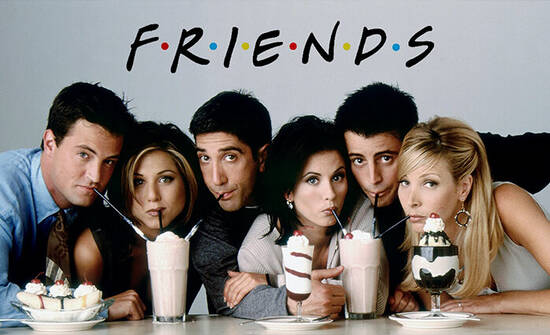
Friends: Sitcom (1994-2004)

Characters from left: Chandler, Rachel, Ross, Monica, Joey, and Phoebe.

One of the most popular shows of all time, Friends features six different main characters in their mid-20s with their own set of quirks.

You have handsome actor Joey who is a bit stupid, but he’s an Einstein when it comes to picking up girls. He loves food, and he will not share it.

Rachel is a waitress learning to stand on her own feet after ditching her boring fiancé (and no longer able to receive help from her rich father) at the altar. She knows and loves fashion.

Ross is a paleontologist adjusting to life after his divorce – which happened because his wife discovered she was a lesbian.

Chandler is an anxious commitment-phobe, but he’s also afraid to die alone. He makes good money from his boring data/statistics job. He’s excellent at sarcasm, and he has the best jokes.

Despite her tragic past, Phoebe is a vibrant, quirky bohemian chick who plays the guitar for fun and works as a masseuse.

Monica, Ross’s sister and Rachel’s high school best friend, is a great chef. She’s also obsessively clean and highly competitive.

Chandler and Joey live together across Rachel and Monica. Ross has crushed on Rachel since high school.

The loves and lives of these six friends gave us 10 seasons through 235 episodes. Fans (including me) can’t get enough and rewatch the series again and again.


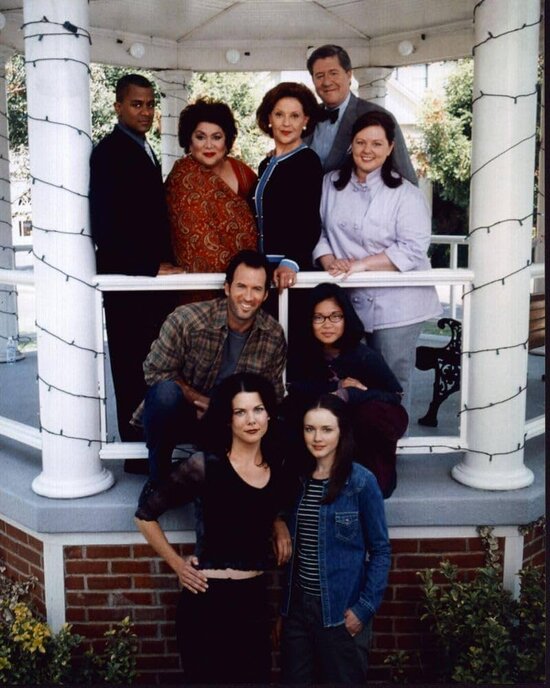
Gilmore Girls: Comedy, drama, romance (2000-2007)

Characters: Michelle, Babbette, Emily, Richard, Sookie, Luke, Lane, Lorelai, and Rory.

When Lorelai, the daughter of highly privileged Gilmore family, got pregnant at 16, she left her helicopter parents to raise her daughter Rory on her own. She started as a maid at an inn and worked her way up her way to hotel manager. In her small town of Stars Hollow, we witness her (mis)adventures and relationships with her neighbors, the handsome owner of Luke’s diner, town’s busybody mayor Taylor, the weird guy with a million jobs – aka Kirk -, Rory’s love interests, loveable but inappropriate Babette and Miss Patty, her best friend Sookie, Rory’s best friend Lane, receptionist Michel, and of course last but not least the OG Gilmores – her parents Emily and Richard Gilmore.

A popular show with a big cast often creates different “teams” in the fandom. To this day, some people hate Lorelai’s parenting and some love it. Some people can’t get enough of Emily Gilmore while some get PTSD from their own rocky relationships with their mothers. Who’s the best boyfriend of Rory? Is it Dean, Jess, or Logan? (I’m team Dean – before season 4 happened.)

While I have seen people who dislike Lorelai and can’t stand certain seasons where Rory is a brat, I have yet to meet someone who doesn’t adore Luke. (We don’t speak of mid-season 6 Luke. If you are wondering why, check out my post on the dreaded surprise child trope.)

Why do I mention all the fun disagreements among Gilmore Girls fans? Because that’s one of the biggest perks of creating (and consuming) a series with an ensemble cast. You’ve got tons to choose from.


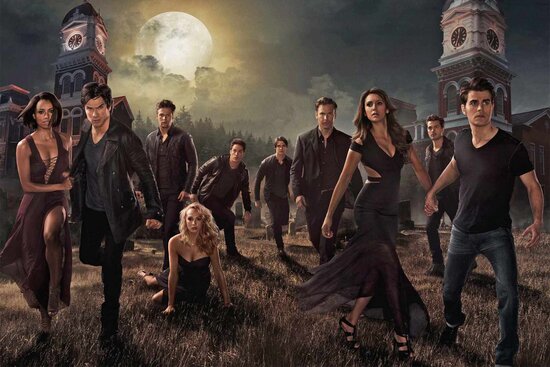
The Vampire Diaries: Fantasy, horror, thriller, drama, romance (2009-2017)

Characters from left: Bonnie, Damon, Matt, Caroline, Tyler, Jeremy, Alaric, Elena, Enzo, and Stefan.

While based on the popular book series by L.J. Smith, the series wildly differs from the novels. And since I watched the series, I’ll be basing my ensemble opinions on it.

The Vampire Diaries starts as 100-something vampire Stefan Salvatore (who was turned when he was about 17) returns to his hometown of Mystic Falls to get to know Elena, a 17-year-old high schooler who lost her parents in a tragic accident about a year ago. (Why Stefan is interested in Elena will be revealed later). With his powers of mind control, Stefan easily enrolls in the high school and his charm and good looks make him instantly popular – much to the chagrin of Elena’s ex Matt – who is still in love with her. Matt and his best friend Tyler (who has unresolved anger issues) are further annoyed by the new kid as his strength and speed land him a spot on their football team. As Elena’s instantly drawn to Stefan, her best friend Caroline is jealous because all the boys seem to want Elena, while their other best friend Bonnie suspects she’s a witch.

But high school dynamics is the least of Stefan’s problems. While Stefan strictly feeds on animals, another vampire has arrived – who doesn’t mind leaving bodies behind. And while the mayor (Tyler’s dad) and the sheriff (Caroline’s mother) explain these bodies as vicious animal attacks, they know all about vampires – a secret they keep from their children and the rest of the town.

Spoiler alert:  Towards the end of the pilot episode, the violent vampire will reveal himself to be Damon, Stefan’s slightly older and equally gorgeous brother Damon, who is on a mission to make his sibling’s life hell.

More characters:

  • Elena and her fellow high schooler younger brother Jeremy live with their grad student aunt Jenna.
  • Tyler’s mother is a founding family member – meaning she knows about vampires.
  • Matt’s sister Vicky is friends with benefits with Jeremy. She’s also dating Tyler.
  • In episode 9 – spoiler alert – we’ll meet another important character: high school history teacher Alaric Saltzman who is secretly a vampire hunter, looking to avenge his dead wife.


While the show centers on the love triangle between three characters (Stefan/Elena/Damon), Caroline and Bonnie will have their storylines both directly and indirectly related to the trio. Tyler and Matt are both crucial love interests, friends and important characters in their own right. And then you have Alaric. I haven’t even started on the actual bad guys yet. (Damon will be a psycho asshole for a while but then he will switch to good guys.)

That’s a lot of characters. Keep in mind that this is a supernatural show with serial storylines and a different villain (or villain group) each season. Many characters will either die and/or change into something else. Some will come back, some will stay dead. Other important characters will join the cast. So The Vampire Diaries will keep its ensemble form until the very end.

During the first season, I liked a lot of the characters, but Stefan and Elena were my favorites. During the second season, we saw Tyler change into a solid, vulnerable person. From season 2, he was one of my favorites. I’ve always liked Alaric. I started liking Caroline after she “changed.”

When vampire Enzo first joined, he had my sympathy but he did annoy me to no end. Toward the end of season 7, he became one of my favorite characters. In fact, when the series was over, my favorite characters were Bonnie, Enzo, Tyler, and Alaric.

*

So there you go: Four wildly popular shows with ensemble casts.

As a viewer, it’s inevitable to find characters to root for, identify with, hate, and ship.

As a writer, you have immense creative freedom with character growth/regression, storylines, conflict, and even genres.

I realized this post would be too long if I covered books with ensemble casts here as well, so I’ll be talking about books with ensemble casts in part two.

What about you? Do you enjoy ensemble casts? Do you tend to write a big cast of characters? Let me know in the comments.

PS This post contains affiliate links. If you buy through them, it’s no extra cost to you, and it fuels my coffee fund. 

Filed Under: Writing Tagged With: benefits of writing an ensemble cast, beverly hills 90210, friends, gilmore girls, lost, lost characters, novels with ensemble casts, shows with ensemble casts, the vampire diaries

Overcoming Writer’s Block: 18 Techniques That Actually Work

Posted on November 27, 2024 Written by Pinar Tarhan

Image via Gerd Altmann/geralt on Pixabay.

Writer’s block—the dreaded condition that every writer, from novices to seasoned authors, faces at some point. It can leave you staring at a blank screen for hours, feeling frustrated and creatively drained. But the good news is that writer’s block is not some insurmountable obstacle. With the right strategies, you can overcome this annoying mental barrier and get back to creating compelling narratives and articles.

So let’s explore practical techniques that actually work to help you conquer writer’s block and revive your writing mojo.

1. Establish a Writing Routine

Creating a structured writing routine can make a significant difference in your productivity. Just like going to the gym regularly builds muscle, setting aside a specific time each day for writing conditions your brain to be more responsive during those hours. Whether it’s early morning or late at night, figure out what works best for you and stick to it. The more consistent you are, the less resistance you will face when it’s time to write.

If you’re bad at routines and consistency, do an objective evaluation of your peak productivity times. When are you at your most energetic? When are you more eager to get things done? Try to write at these times as much as you can.

Writing every day at the same time is great. But if you can only write at 5pm for three hours some of the time, embrace those times.

2. Set Achievable Goals

One of the biggest reasons writers struggle with writer’s block is that they set unrealistic expectations. Setting smaller, manageable goals can be the key to overcoming the overwhelming feeling of needing to produce the “perfect” piece. Try writing 200 words a day or working on a single paragraph. By focusing on small goals, you not only make progress but also avoid feeling paralyzed by the idea of creating a full chapter or essay.

Remember, some is always better than none when it comes to writing.

3. Freewriting

Freewriting is one of the most effective techniques to overcome creative blocks. Set a timer for 10-15 minutes, and write without stopping. The goal is not to craft polished prose but to allow ideas to flow freely without judgment or editing. You might end up with a jumble of thoughts, but within that jumble, there are often seeds of new ideas that can be developed further.

Freewriting helps to unblock your creativity by removing the pressure of perfectionism.

4. Change Your Environment

Sometimes, a change in your surroundings is all you need to reignite your creativity. If you’ve been writing at the same desk for weeks, consider moving to a different location. Try writing in a coffee shop, a park, or even just a different room in your house. The change in scenery can give you a fresh perspective and help clear the mental clutter that might be holding you back.

5. Use Writing Prompts

Writing prompts are an excellent way to stimulate your imagination and get those creative juices flowing.

A writing prompt can be a sentence, a word, or even a picture that inspires you to create something new. There are countless prompt resources available online, or you can make your own. Prompts help by giving your brain a nudge in a direction you might not have thought of, which can often be enough to break through the block.

6. Break the Project into Smaller Parts

Large projects can feel overwhelming and lead to avoidance. To combat this, break down your work into smaller, more manageable parts. If you’re working on a novel, for instance, focus on writing just one scene or a specific dialogue. If you’re writing an article, start by outlining the main points instead of tackling the whole piece at once. By focusing on smaller components, you’ll make steady progress, which helps build momentum and dispel the block.

When I get stuck on certain parts, I always start with the scenes that come easier. Once they are out of the way, I find they pave the way for the more difficult ones.

7. Eliminate Distractions

Distractions can be a major cause of writer’s block. Notifications, social media, or even background noise can interrupt your flow of thought. Identify what distracts you and take steps to minimize these interruptions. Turn off notifications, close irrelevant browser tabs, and find a quiet place to work. You could also use tools like Focus@Will or “white noise” apps to create an environment conducive to writing.

Alternatively, if you’re used to working in complete silence, see if there’s a certain kind of music or background noise to get you in the mood to write.

The idea is to experiment until you find what works for you.

8. Practice Mindfulness and Meditation

Mindfulness and meditation can be extremely helpful in dealing with writer’s block. Often, the block arises from anxiety or negative thoughts about your writing abilities. Practicing mindfulness helps you stay in the present moment and quiet those doubts. Even five to ten minutes of meditation can help clear your mind, allowing you to approach your writing with a fresh perspective.

If you’re new to mindfulness and meditation, or if you want something focused on creativity, you should try Dr Danny Penman’s Mindfulness for Creativity. It has become one of my bedside resources.

9. Read for Inspiration

Reading the works of other authors can provide the spark needed to overcome writer’s block. Take some time to read a book, poem, or article related to your genre. You may come across a phrase or idea that inspires you to write something of your own. Reading also helps you recognize different writing styles, which may give you new insights into your own approach.

10. Write Something Different

If you’re feeling stuck, try switching to a different type of writing. For example, if you’re working on a novel and feeling blocked, try writing a poem, a journal entry, or even a letter to a friend. Changing the style of writing can be refreshing and can help you discover a new angle for your main project. It takes the pressure off and allows you to enjoy the process of writing again.

11. Don’t Aim for Perfection

Perfectionism is one of the greatest enemies of creativity. Many writers get blocked because they want their first draft to be flawless. The truth is, first drafts are often messy, and that’s perfectly okay. Give yourself permission to write badly. Editing and polishing come later. Your only job during the initial writing stage is to get your ideas down on paper. When you let go of the pressure to be perfect, writing becomes much easier and more enjoyable.

12. Take Breaks

Sometimes the best thing you can do is step away from your work for a while. Taking short breaks can help clear your mind and give you a fresh perspective. Go for a walk, exercise, cook a meal, or do something else that relaxes you.

Often, a break can provide the clarity needed to overcome writer’s block. Just make sure your break doesn’t turn into procrastination—set a timer if necessary and get back to writing afterward.

13. Engage in Creative Activities Outside of Writing

Sometimes, it helps to stimulate your creativity in other ways. Engaging in creative activities like drawing, playing music, dancing, or crafting can help you tap into your creative energy without the pressure of producing written work. These activities can get you out of a creative rut and provide the mental flexibility needed to return to writing with renewed enthusiasm.

14. Talk It Out

Discussing your ideas with a friend or fellow writer can help you overcome writer’s block. Talking through your plot, character, or article ideas can reveal new angles and help you articulate what you’re struggling with. Often, verbalizing your thoughts helps make them clearer.

If you don’t have someone to talk to, consider recording yourself talking about your work—sometimes just saying it out loud helps you see things from a new perspective.

15. Use Technology to Your Advantage

There are many tools and apps designed to help writers overcome creative blocks. Apps like Scrivener, Ulysses, or Evernote can help organize your thoughts, while brainstorming tools like MindMeister allow you to map out ideas visually. Tools like Grammarly and ProWritingAid can help with editing, allowing you to focus more on writing. Experiment with different tools and find what works best for you.

16. Write Through the Block

When all else fails, simply write through the block. Set a timer for 10-15 minutes and commit to writing without stopping, even if you feel uninspired. You might end up with nonsense, but you might also find that your brain shifts gears partway through, allowing you to access ideas you didn’t know were there.

Writing through the block, without worrying about quality, can sometimes help you break down the barriers and find your rhythm again.

17. Reward Yourself

Rewarding yourself for meeting your writing goals, no matter how small, can motivate you to keep going.

Whether it’s a treat, a break to watch your favorite show, or a coffee from your favorite café, positive reinforcement helps create a rewarding cycle around writing. Celebrate small wins and use them as stepping stones toward bigger goals.

18. Embrace Failure as Part of the Process

Lastly, remember that every writer experiences setbacks. The creative process is inherently unpredictable, and failure is part of it. When you accept that writer’s block is a natural occurrence, you take away its power.

Instead of viewing it as a sign that you aren’t good enough, see it as an opportunity to explore new techniques, ideas, or creative directions. Adopting this mindset makes writer’s block less intimidating and much easier to overcome.

Book Promotion Can Help

If you’re struggling with writer’s block, shifting your focus to promoting your published books can be a powerful way to reignite creativity. Effective book promotion methods not only help you reach a wider audience but also reconnect you with the core reasons you began writing. Utilizing book advertising, promotional events, or even virtual book tours, you can share your stories with new readers and get valuable reactions and feedback. This engagement can serve as motivation and inspire fresh ideas. Whether it’s a book marketing plan involving social media, reader giveaways, or collaborative promotions with other authors, actively promoting your books can help break through creative blocks and breathe new life into your writing journey.

Conclusion

Writer’s block can be frustrating, but it’s important to remember that it’s only a temporary hurdle. By employing these techniques, you can regain your creative flow and start making progress once more.

Whether it’s creating a writing routine, using prompts, practicing mindfulness, or just changing your environment, there are many ways to push through the block and start writing again.

Writing is a journey, and every challenge you face, including writer’s block, contributes to your growth as a writer. So the next time you feel stuck, try some of these strategies and get back to doing what you love—writing.

*

What do you do when the muses fail you? Let me know in the comments!

Related Posts Plugin for WordPress, Blogger...

Filed Under: Inspiration and Motivation, Writing Tagged With: dealing with writers block, how to deal with writer's block, tips for writers block, writers block

  • 1
  • 2
  • 3
  • …
  • 50
  • Next Page »

Blogroll

  • My Entertainment Blog

My Other Blogs

  • Beauty, Fitness & Style for the Fun-Loving Gal
  • Dating & Relationships in the 21st Century

Categories

  • Author Interviews
  • Author news and coverage
  • Blogging
  • Book Launches and Excerpts
  • Book News and Author Interviews
  • Book Recommendations
  • Book Reviews
  • Career Management for Writers
  • E-Book Reviews
  • Fiction Writing
  • Fictional Writers: Writer Characters in Movies, TV Series and Books
  • Inspiration and Motivation
  • Marketing
  • Marketing Fiction
  • Movie and TV Series Recommendations
  • Novel Reviews
  • Paying Markets-Web and Print
  • Productivity & Time Management
  • Recommended Resources
  • Reviews for Tools and Devices
  • Romance
  • screenwriting
  • Self-publishing
  • Story Conflicts
  • Website & Blog Reviews
  • Writer Tools
  • Writing
  • Writing Tools
  • Writing Updates

Copyright © 2026 · Focus Pro Theme on Genesis Framework · WordPress · Log in

This website uses cookies to improve your experience. We'll assume you're ok with this, but you can opt-out if you wish.Accept Reject Read More
Privacy & Cookies Policy

Privacy Overview

This website uses cookies to improve your experience while you navigate through the website. Out of these, the cookies that are categorized as necessary are stored on your browser as they are essential for the working of basic functionalities of the website. We also use third-party cookies that help us analyze and understand how you use this website. These cookies will be stored in your browser only with your consent. You also have the option to opt-out of these cookies. But opting out of some of these cookies may affect your browsing experience.
Necessary
Always Enabled
Necessary cookies are absolutely essential for the website to function properly. This category only includes cookies that ensures basic functionalities and security features of the website. These cookies do not store any personal information.
Non-necessary
Any cookies that may not be particularly necessary for the website to function and is used specifically to collect user personal data via analytics, ads, other embedded contents are termed as non-necessary cookies. It is mandatory to procure user consent prior to running these cookies on your website.
SAVE & ACCEPT