Addicted to Writing

Manage Your Freelance Writing Career While Writing What You Love

  • About Pinar Tarhan
  • Blog
  • Books
  • Hire Me: Services
  • Contact Me
  • Portfolio
  • Favorite Resources
  • Newsletter

Literary Fiction vs. Genre Fiction: What Do You Write?

Posted on December 22, 2013 Written by Pinar Tarhan


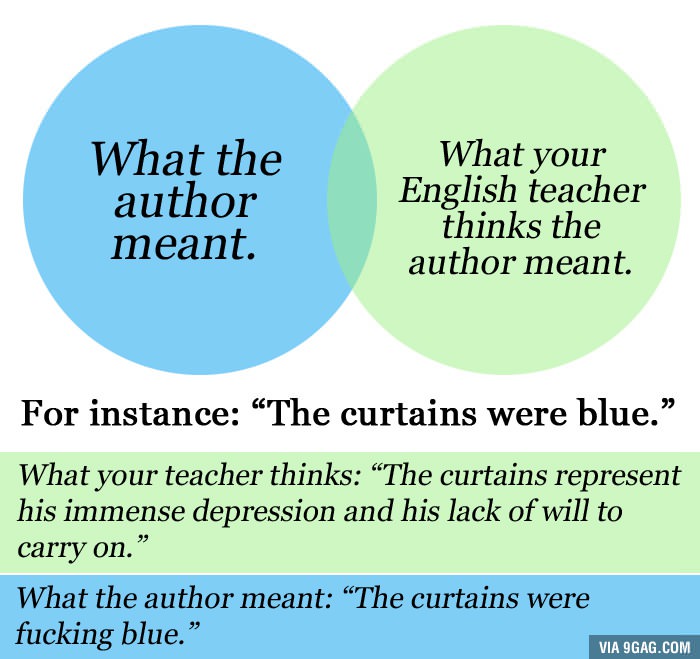
A friend of mine posted this. It was just too relevant...Although I suspect the author here writes genre fiction:)
A friend of mine posted this. It was just too relevant…Although I suspect the author here writes genre fiction:)

I can unashamedly, in fact proudly, announce that I write genre fiction. I love reading it, and I sure as hell love creating it.

It shouldn’t shock anyone since I’m also a big fan of blogging. I prefer sincerity, fun and wild imaginations over…well… literary.

I’m not saying English classes in high school where we got to dissect every piece of story and poetry we came across in our so-thick-that-it-probably-hurt-our-posture-to-carry-them-around literary books didn’t fill me with some great knowledge and perspective. It did.

Some were really good, though I suspect the authors I enjoyed and/or was in awe of probably fell more into genre fiction than literary fiction (more on the distinction that’s not always so clear).

But years of obligatory analyses also prevented me from studying literature any further in college. A lot of my friends were surprised. I was one of the best English students in class: impulsively enthusiastic, hard-working and with  meaningful stuff to contribute. What they didn’t always recognize is that while I’m a fan of the language and storytelling, I just don’t like when authors care more about their words than story, character, pace and feeling.

Maybe it’s a higher calling. Maybe it’s a talent you are born with, or you can practice and learn as you try. I wouldn’t know. I simply don’t have it in me.

When you say literary fiction,  I instinctively think about authors who can describe a tree for 10 pages and be loved for it. This might be narrow-minded on my part, but here’s the problem: I love life. And life is finite. Any story that makes me regret every second I spend on it, and makes seconds feel like hours, is just not worth the pain.

That said, some people can successfully combine genre fiction with literary fiction. So if Jane Austen is one of those authors, maybe there’s hope for me to enjoy more literary fiction. I’m saying, if, because the lines are blurry, and her work is so much fun.

Genre Fiction vs. Literary Fiction

What prompted this post was a short story contest’s instructions. One of their few rules was that they didn’t accept genre fiction of any kind, and it got me wondering on how the hell one could/would write a story without a genre. Let’s blame it on my movie (almost all genres except too gory horror) and genre fiction  (particularly legal/crime thrillers and/or romantic comedies) reading addictions. Since I wasn’t sure I could define literary fiction accurately, I dug up. Here’s some useful and to-the-point stuff I found:

According to wikipedia: “Literary fiction is a term principally used for certain fictional works that are claimed to hold literary merit.

Despite the fact that all genres have works that are well written, those works are generally not considered literary fiction. To be considered literary, a work usually must be “critically acclaimed” and “serious”. In practice, works of literary fiction often are “complex, literate, multilayered novels that wrestle with universal dilemmas”.

Brandi Reissenweber says: “A genre is a category of literature, such as mystery, suspense, science fiction or horror. Each genre has its own conventions. Romance, for example, focuses on romantic love between two people and often ends positively. Generally, genre fiction tends to place value on entertainment and, as a result, it tends to be more popular with mass audiences.

Literary fiction, on the other hand, is a bit trickier to define. In general, it emphasizes meaning over entertainment. Literary fiction also aspires toward art. Of course, that abstract of “art” is where things get most tricky. What is art? In fiction it can be defined as interesting and deep manifestations of the elements of craft: dimensional characters, a pleasing arc of tension, evocative language and thematic purpose.”

And Leigh Galbreath writes:  “Genre fiction is built on structure. Literary fiction isn’t.”

*

So while writing literary “insert genre fiction sub-category here” is possible, it is tough, and I wouldn’t even know where to begin.

If you have authors you love that combine the two without sacrificing fun and relatability, please suggest away in the comments. I’d love to discover them.

And what about you? Which one do you like reading? Which one do you like writing? Or do you read/write both?




Filed Under: Fiction Writing Tagged With: genre fiction, genre fiction definition, genre fiction vs. literary fiction, literary fiction, literary fiction definition

How to Jolt Back To Writing Non-Fiction From Fiction: 13 Tips

Posted on December 17, 2013 Written by Pinar Tarhan

Image via applecopywriting.com.


Are you fiction writer? A non-fiction writer? Or both?

If you truly love writing, want to make a regular income from it (or you are already making a living writing) and/or can’t wait to share what you have learned and experienced with the rest of the writers out there, chances are, you are both into writing fiction and non-fiction.

Stephen King wrote a book on writing, simply called On Writing: A Memoir of the Craft. Now, that’s the kind of writer I want to learn from. Not because I’m a horror fan, but because I admire his success, productivity and ability to write in diverse genres (Shawshank Redemption, for instance, is based on a story of his) and write in a variety of formats (novels, short stories, non-fiction books…)

Screenwriter John August (Big Fish, Go, Charlie’s Angels, Dark Shadows) runs a website where he shares his tips on screenwriting – one of my favorite go-to resources as an aspiring screenwriter.

Some novelists get to adapt their movies to screen themselves and writing magazines love publishing advice articles from published writers. Stephen Chbosky’s The Perks of Being a Wallflower, anyone?

I love writing fiction and non-fiction, and wrote about why we needed to balance the two here before.

But sometimes, one takes priority over the other, usually because of deadlines and where your productivity is gravitating towards at that moment.

For the last couple of months, even though I did my best not to neglect my blogs, I’ve concentrated polishing my screenplay and a TV pilot for competitions. I read even more about formatting, selling, contests’ reliability. I found great resources on both writing and selling, and I’ll be sharing them here soon.

But it’s safe to say I was lost in a world of fictional characters and story lines, and reading up on how to make them come alive.

Of course my non-fiction ideas didn’t stop flowing. So I noted them down, and after having taken care of 3 competitions with the nearest deadlines, I’m ready to immerse in non-fiction once again.

Getting back to real life is fun, though your mind and writing might take a while to adjust. So below are a few tips to make the transition easier and quicker:

1)   Go through your old ideas. Having worked on different projects might have provided you new insights and angles. Use them. Brainstorm with your just-back-from-fiction mind. You might be surprised.

2)   Keep writing new ideas down. Also make a note of what you have learned about writing/selling fiction. There are a million stories there.

3)   Not getting hit by a new load of ideas? This post is bound to ignite some quality inspiration: Finding Article Ideas & Writing About Them: 30 Inspiration Tips for Writers.

4)   Check the websites/publications you follow, including the ones you have written for or wanted to write for. They might have gone through editorial changes. Their submission guidelines or how they work with freelance writers might have changed. Is this still a place you want to write for? Update your market list accordingly.

5)   If those websites are still up your alley, study the new articles. You need to know what they published recently. You don’t want to waste the editor’s time, or yours, by pitching an idea that was recently covered.

6)   Do a “markets” research. There are probably new writing markets you might want to catch up on. Make notes of the ones that interest you.

7)   Write. It’s like switching between rollerblades and your bike. Both are fun, both are you. They just work a bit differently.

8)   Promote your writing. Remind your readers you’re alive and well. Of course this works better if you’ve kept up a presence in the blogosphere during your fiction marathon.

9)   Read non-fiction: blogs, magazines, books, twitter feeds of the people that inspire you, entertain you and/or piss you off…new and old stuff. Read.

10)   Read some of those awesome e-books you kept for referencing, and some new resources you found. Some of my new favourites came from Sophie Lizard’s  Another 52 Free Resources for Freelance Bloggers post, for instance.

11)   Keep reading fiction, but don’t make it the priority.

12)  Exercise. Seriously. I know how easy it is to get caught up in the wonderfully exciting worlds you have created, but we need to be healthy. And exercising gives you even more ideas.

13)  Eat healthily. Yes, you always need to do this, but if you have gone on a binge to make the deadlines, get a grip on your eating habits before your immune system decides to punish you. I’ll be posting about this too, so stay tuned.

*

Welcome back to the lovely world of non-fiction! If there are any tips you’d to add, comment away…


Filed Under: Blogging, Writing Tagged With: finding ideas, inspiration for writers, john august, writing fiction, writing non-fiction

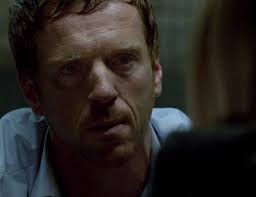
HOMELAND’S BRODY: When A Character Suffers Way Too Much

Posted on December 4, 2013 Written by Pinar Tarhan

Damian Lewis
Damian Lewis image via metro.co.uk.

As writers, we’re frequently told that our characters need to suffer. They need conflicts, challenges and flaws. They need to risk losing everything, be in danger, maybe even actually lose everything…No one wants to read or watch someone who’s good at everything and has a perfect life. Right?

And that’s solid advice, until you go overboard. I think there comes a point when the writers take a character and make him go through hell (sometimes literally, as in the case of Supernatural) and back way too many times. Sure, it’s a fantasy show where everything is possible and not even death is final. But surely when you take a guy’s mother and have her killed by a demon, have him raised by a monster hunting-obsessed father and brother, have his girlfriend killed by a demon, kill him a couple of times, kill his brother a couple of times, have him live in hell for months, go through excruciatingly painful trials, separate from the girl he loves…

I’m sure he went through more. I just stopped watching. And this is probably the luckier brother…

We watch shows where we are invested in the characters. We root for them, feel for them or at least feel strongly about one way or the other. But sometimes that character becomes a tragic caricature. This is what I call tragedy for tragedy’s sake. It doesn’t feel natural, realistic or welcome.

Many TV shows lose viewers (or viewer’s passions if not entirely their loyalty) because of this. Yes, let’s keep the stakes high, but for goodness’ sake, let’s not go overboard.

So, I want to talk about Brody, Damian Lewis’s character from Homeland. For the first two seasons I was a true addict of the show. I would sit through 4-5 episodes in a row and still want more. Then I would watch them again with a friend or family member who didn’t watch it before just so I could go through that wonderful rollercoaster again and again.

However with the third season, the fast forward button became my best friend as they put Carrie (Claire Danes) through more hospitalizations and forced Brody to be a drug addict. You know where Supernatural has hell and death, Homeland has Carrie hospitalizations and unlucky Brody, and TVD has doppelgangers…

BRODY: TO HAVE HIM SUFFER OR TO HAVE HIM SUFFER A LOT MORE?

If you have never seen Homeland, you might think I’m overreacting. What’s a little drug addiction for a character in the grand scheme of drama, right?

Let me tell (or remind) you what Brody has been though. And then you tell me if he has had enough: (P.S. Major spoilers for Homeland)

–       Brody, as a young marine, left his wife and 2 young kids behind to go to war. He saw combat, and that’s in my book enough ground for trauma and PTSD to last a lifetime.

–       But Brody never had the chance to get home and suffer through his PTSD in peace (yes, I’m being sarcastic.) No. He was captured with his sniper friend/fellow soldier by the enemy. He was tortured in the worst possible ways for 3 years. At one point, they forced him to kill his friend (we later learned that they only made him think this.)

Damian Lewis, Homeland
Damian Lewis, Homeland season 1. Image via abcnews.go.com

–       Later, the terrorist leader took Brody, messed his brain by being kind to him and having him live in his house and tutor his young boy.

–       Brody, away from his family and country, taught English and football to this lovely boy who was blissfully unaware of his father’s crimes. Brody loved this boy like a son. And I guess he was even happy, up until the point where American VP and the head of CIA thought it was OK to bomb an entire school region and kill 83 kids in the name of killing the terrorist leader. He wasn’t there. Instead, his son died in front of Brody. Yeah, I know, like Brody wasn’t traumatized enough.

–       Then 8 years after he was first captured, he was saved by American soldiers. He got back home, where no one was smart enough to give him a psych evaluation. Instead, he was deemed a hero, and was immediately used by the VP for political agenda.

–       Brody tried to adjust to being back, feeling conflicted about becoming a “terrorist” to avenge those kids’ death by killing the VP and a group of other politicians and being a Marine.

–       His wife was screwing his best friend while he was away.

–       He couldn’t have sex with his own wife, even when he didn’t know about the best friend.

–       His sulky teenage daughter was ready to rebel any moment, and his adaptable and nice son didn’t mind seeing the best friend as a second dad.

–       He was stalked and monitored by bipolar CIA agent Carrie, who failing to obtain legal reasons to tail and watch Brody, decided to learn his intentions by getting close to him.

–       There was intense chemistry there, and they did fall for each other. Yep, falling for a CIA agent who was sure he was a terrorist isn’t too complicated.

–       When he learned about Carrie’s initial intentions, he was pissed. And he almost blew up the VP and the politicians as planned, but Carrie stopped him by emotionally getting to his daughter. But the confession video was already obtained by others, and his terrorist/not-dead-sniper friend wanted to kill him for chickening out. Brody talked the terrorist leader into doing things his way. And he got to kill his friend for real this time.

–       He played for the Senate, and he got Carrie committed to hospital- the one person who was right about him all along, and the CIA learned about her condition. He screwed her over big time. Yeah, this guilt didn’t eventually get to him at all.

–       Carrie was eventually proven right after the confession video was found by the CIA and she was recruited again. She got Brody in by having him sort of almost attack her. Then she got very honest, very emotional and got Brody to confess everything. Great episode, awesome confession session which won Emmy for Outstanding Writing. Had never agreed more with an award before. Imagine the catalysis Brody went through. I mean it. It’s one of my favorite TV episodes of all time.

Damian Lewis, Homeland Season 2, Episode Q&A
Brody, Homeland Season 2, Episode Q&A. Image via digitalsky.com.

–       Of course he now became an asset for the CIA. Either he helped them, or he went to prison for life or worse. And his family would find out the vest…

–       So more lying, more internal conflicts, unresolved feelings for Carrie and stress made Brody run, and Carrie got to him again. She got Brody back in more ways than one.

–       The terrorist leader kidnapped Carrie and forced Brody to kill the VP. More lying to friends and family, of course. Brody killed the VP to save Carrie.

–       Unknown to Brody, Quinn (Rupert Friend) was hired to eliminate him once they caught the terrorist. Thankfully he saw sense and told the director to shove it.

–       After the leader was captured, Carrie and Brody discussed if they could ever be together. His past, her illness…but Brody believed they had a shot because, let’s face it, no one could be a better match for the other after everything they went through.

–       And despite a pissed off mentor, Carrie picked Brody over CIA. A second chance given at everything, Brody could finally have some peace, right? Nope. CIA was bombed. Everyone thought it was Brody. It wasn’t.

–       Carrie got him to the border. Great goodbye scene. Maybe they will find each other again after Carrie can prove his innocence?

Surely, Brody can’t go through more terrible ordeals during season 3. Surely, all the pressure, identity crisis, guilt, PTSD, love lost and found and more are enough…

Damian Lewis, Homeland
Brody, Homeland season 3. Image via nydailnews.com

But nope. Brody got shot and almost died. Gangsters who found him made him a drug addict. Somehow he was “saved” by the CIA. After suffering through going cold turkey and emotionally tortured by being kept away from his daughter (who happened to change her name, left school and became a motel maid – and this isn’t half of it!), he got sober.

Then Carrie convinced him to go on a covert mission for redemption (for the almost bombing way back in season 1). He got trained like a marine again.

Oh, he learned that his daughter tried to kill herself after she thought he bombed the CIA (and the confession video) and received a not-so-warm “welcome” from her. There’s the hope that maybe he can fix things with her and be with Carrie, right?

He’s on a dangerous mission. Carrie is pregnant, and he doesn’t know, and it might not be his.

I don’t want him to die after everything they put him through, but at this point, killing him will be the kindest thing they ever did to his character.

Have you had enough of Brody pain? Homeland season 3 isn’t over yet.

*

Now, I made my characters go through some really awful, depressing and/or deadly situations. Just I didn’t do…this much.

*

What do you think? Do you have a limit when it comes to a character’s suffering?

How much “hell” is too much for one character?

Filed Under: Fiction Writing, Writing Tagged With: creating conflict, damian lewis, damian lewis homeland, drama, fiction writing, homeland, too much drama, writing drama

The Number One Tip for Querying and Pitching: Being Personal & Specific

Posted on November 27, 2013 Written by Pinar Tarhan


Image via mayracuevas.com

If you don’t have time for the whole post, don’t let me keep you. You probably already do this. It’s one of the most important steps of querying: Being personal and specific in your customized pitch – as in sending a well-targeted, well-tailored query to the right person and not bulk-querying haphazardly.

By now, this tip should be saying like vampires have fangs. Common knowledge. It’s not. It is, for some reason, blissfully ignored by a number of bloggers and writers. How do I know it? From the impossibly generic guest post pitches I’ve been receiving since I launched my blogs.

I don’t generally accept guest posts for my sites. I don’t advertise for guest posts. Because I can’t pay writers at the moment, and I don’t think it’s fair to ask, especially when I distinctly prefer to write for sites that pay.

That said, if a writer was completely OK with this fact, didn’t need the money and had something he couldn’t wait to share with my audience, something that was right up this blog’s alley, I wouldn’t necessarily turn him down.

But even though there are no pages or posts here (or any other of my blogs) that ask for guest posts, I frequently get pitched by e-mail and I can’t believe there are so many bloggers/writers out there who don’t seem to have read any tip on pitching someone, ever. Apparently, they have read all the titleson the benefits of guest posting, however.

I’m saying “titles” because they haven’t gone through the entirety of any solid article on guest posting (or querying) either. Because almost all of them underscore similar things. Some of the shared tips are: Address to the right person, make sure you read the publication and show this in your pitch.

I tend to get several generic pitches a month for the different blogs that I run. Some pitchers haven’t even tried: as in they don’t even have my blog’s name, my name or even the blog’s URL in the pitch. I still read them anyway because I want to give them the benefit of a bad subject line. I also like providing myself with material for future posts.

Some spice up the generic up , and add my blog’s URL in the subject line. Not the worst move but it screams “bulk” and that’s never good. The glaringly important issue here: My blog URLS and my blogs aren’t the same. It might not be the smartest SEO move on my part but trust me, there was some strategy involved in it. Anyway, the pitcher was too lazy to write (or even possibly check out) the blog’s name. Ouch. Seriously.

One blogger, the most recent pitch that prompted this post, has taken bulk-pitching to a whole new level. The subject line doesn’t mention anything about me or my blogs. The greeting doesn’t include my name. The post doesn’t have the name of the blog the writer wants to write for. I know which one through an educated guess because she has at least mentioned the topic.

She has, however, proposed a relevant topic with a suitable title, using a decent language.

I haven’t returned the e-mail. I don’t think that will hurt the blogger’s feelings much since she probably has sent the email to a couple hundred other bloggers as well. Besides, I don’t want to mess up with the statistics. When the pitch is generic, you will most likely get no response.

Here’s the thing to keep in mind. Editors, some of them are also writers, are busy people. Many are busy to the point they can’t even respond to the to-the-point, personalized and timely pitches if it’s not what they need at the moment.

It’s kind of funny. You’d think that it’d be common sense to check out the name of the person you are querying. And my name isn’t a secret. It’s even in the e-mail I use for writing-related correspondence.  It’s also on the About section. Even on blogs where I have occasionally accepted guest posts (from writers who pitched well and for blogs I unfortunately can’t always produce content regularly for), my name is on the 98% of the posts.

I’m not going to say that all publications make it easy. They don’t. They post almost encrypted guidelines or don’t post at all. Editors’ names might need some minor detective work like calling the publication or asking other writers.  Some publications ask you to contact for questions but often don’t return with the information you requested. But when it’s right out there, and you don’t use it, it’s on you.

Grammar and spelling are important. A creative subject line can work, so is crafting a concise message. But it all starts with at least trying to hide the fact that it’s a bulk offering. There might be several publications that cover similar topics with similar angles, but it’s up to the writer to make each pitch sound personal.

The upside of these e-mails, in addition to inspiring post ideas (and/or case studies), they help you get in the shoes of the editor/publisher, and show you why you have to work diligently on your pitches. Not that we didn’t know before, but boy is their job difficult…:)

Related Posts Plugin for WordPress, Blogger...

Filed Under: Blogging, Writing Tagged With: most important tip for querying, pitching tips for writers, querying, querying tips, querying tips for bloggers, querying tips for writers

  • « Previous Page
  • 1
  • …
  • 45
  • 46
  • 47
  • 48
  • 49
  • …
  • 76
  • Next Page »

Blogroll

  • My Entertainment Blog

My Other Blogs

  • Beauty, Fitness & Style for the Fun-Loving Gal
  • Dating & Relationships in the 21st Century

Categories

  • Author Interviews
  • Author news and coverage
  • Blogging
  • Book Launches and Excerpts
  • Book News and Author Interviews
  • Book Recommendations
  • Book Reviews
  • Career Management for Writers
  • E-Book Reviews
  • Fiction Writing
  • Fictional Writers: Writer Characters in Movies, TV Series and Books
  • Inspiration and Motivation
  • Marketing
  • Marketing Fiction
  • Movie and TV Series Recommendations
  • Novel Reviews
  • Paying Markets-Web and Print
  • Productivity & Time Management
  • Recommended Resources
  • Reviews for Tools and Devices
  • Romance
  • screenwriting
  • Self-publishing
  • Story Conflicts
  • Website & Blog Reviews
  • Writer Tools
  • Writing
  • Writing Tools
  • Writing Updates

Copyright © 2026 · Focus Pro Theme on Genesis Framework · WordPress · Log in

This website uses cookies to improve your experience. We'll assume you're ok with this, but you can opt-out if you wish.Accept Reject Read More
Privacy & Cookies Policy

Privacy Overview

This website uses cookies to improve your experience while you navigate through the website. Out of these, the cookies that are categorized as necessary are stored on your browser as they are essential for the working of basic functionalities of the website. We also use third-party cookies that help us analyze and understand how you use this website. These cookies will be stored in your browser only with your consent. You also have the option to opt-out of these cookies. But opting out of some of these cookies may affect your browsing experience.
Necessary
Always Enabled
Necessary cookies are absolutely essential for the website to function properly. This category only includes cookies that ensures basic functionalities and security features of the website. These cookies do not store any personal information.
Non-necessary
Any cookies that may not be particularly necessary for the website to function and is used specifically to collect user personal data via analytics, ads, other embedded contents are termed as non-necessary cookies. It is mandatory to procure user consent prior to running these cookies on your website.
SAVE & ACCEPT