
Addicted to Writing

Manage Your Freelance Writing Career While Writing What You Love

  • About Pinar Tarhan
  • Blog
  • Books
  • Hire Me: Services
  • Contact Me
  • Portfolio
  • Favorite Resources
  • Newsletter

Finding Article Ideas & Writing About Them: 30 Inspiration Tips for Writers

Posted on January 21, 2013 Written by Pinar Tarhan


Image via 123rf.com.

Writers really need to be a jack of all trades these days since we are expected to be writers, editors, bloggers, platform builders, marketers and so on. We also have to have a million “sellable” ideas and we can’t afford to run out of them. Because all our other skills won’t add up to much if we don’t have any sellable ideas to begin with.

We need them for all types of fiction and non-fiction. We need them for our blogs and other publications. But there are times even the most prolific creators can feel stuck and uninspired or they can get lost  in their search for an angle that hasn’t been done way too often.

The list I gathered offers what I do, and should do more of, to find ideas. While I get quite a few intriguing ideas without even trying (when the magical “what if……? “questions seem to come out of nowhere), most of them come through a lot of effort.

1)      Go through your old posts on your blog.

What have you covered? What else should you cover? Should you update existing posts? Or are there posts that you need to turn into a series to make your advice more thorough and helpful?

*If you don’t have a blog, you might want to read 6 Reasons Why Every Writer Should Blog.

2)      Go through your pitches. Maybe they landed you assignments. Maybe they didn’t. The ones that didn’t might be lying down somewhere forgotten because of the depression mode you got into due to rejection.

Is it possible that you targeted the wrong markets, you just got better at querying in time or you’ve just discovered other markets that could be interested in those ideas?

Recycle, improve upon and use those ideas.

3)      Go through your published articles. You probably know more now than you did then. Do you think there could be another slant hidden there somewhere? Can you use the same research to write other articles around the same topic?

4)      Study the markets you are interested in, focusing on titles, reading the articles, focusing on the slants/angles. There’s a chance you’ll disagree with some points, and develop an article idea on that. For instance, I came up with my Freelance Switch article How Coffee Shops Can Make the Best Substitute Offices after reading a few articles on the site that covered libraries and co-working spaces. Since I have a couple of favorite coffee shops I switch back and forth (in addition to my home office) where I worked productively, I decided to make a post of it.

5)      Study the markets you find interesting, even the ones you think you may not write for. They might inspire you for fiction and slants. You might even think of an idea for them. You never know.

6)      Recycling/revamping your ideas lists. You need to check your list of ideas regularly for updates and editing. You may have written about some of them, you might find inspiration while looking at the others. If you have used all of it, go ahead and delete it. Now you’ve updated yourself about some of the things you’ve already covered.

7)      Watch TV shows and movies without switching off the writer in you. I’m a sucker for an engaging story, and I am running an entertainment blog, so I am tuning off the productivity tips about watching less TV. Of course keep in mind that I hate reality TV, and I quit or fast-forward a show the moment it stops being interesting.

How do they make good posts, you ask? Below are some articles that were inspired by them:

On story analysis:

–          Crying for a Good Story, by PJ Reece  (on Good Will Hunting)

–          Two New Movies That Demonstrate Story Physics by Larry Brooks (on Lincoln and The Sessions.)

On delicious conflicts:

–          Most Enthralling Story Conflicts & Dilemmas: The Ledge – Kill Yourself or Your Loved One Will Be Killed

–          Your Daughter’s a Liar or Your Best Friend’s a Pervert: Most Enthralling Story Conflicts 2 – The Hunt

On inspiration:

–          The CSI Guide to Finding Your Next Killer Idea – A Guide for Bloggers by Pippa

Having fun analyzing fictional writers:

–          Writer Character from 27 Dresses – Getting Involved with Your Source

I have so much fun doing this, I have an entire category dedicated to it.

8)      Talk to professionals in different areas that you are interesting in writing about.

9)      Make a list of your failures. Some of the most popular posts were born through author mistakes.

10)   Make a list of your accomplishments. See what topics you can dig up from there.

11)   Go through the “finding ideas” posts on sites you love, bookmark /print out the ones you find useful (that include tips you don’t already put to use or haven’t tried yet.)

Two good examples would be Where Oh Where Are All the Good Article Ideas? from Writing World and 50 Ways for Writers to Find Article Ideas from Susan Jonhston.

12)   Find a great “writing headlines” source and think in terms of titles, getting  article ideas from them. Try Jon Morrow’s 52 Headline Hacks.

13)   Analyze characters from novels you love. Think about them. Maybe they can tell you something. Lots of fun dating article ideas can be born from them, such as:

How Jane Austen’s Pride and Prejudice and Matthew Macfadyen’s Darcy Ruined Women Forever

14)   Think about the jobs you hated/you loved.

15)   Think about your career progress. I realized that for me, a combination of a part-time teaching job and writing worked wonders. You bet I wrote a story about it: One Freelance Writer’s Surprising Strategy for a Revved-Up Career. It was published on Carol Tice’s Make a Living Writing blog.

16)   Write about songs. Especially if you’re writing about music, the ideas are endless.

17)   Rant.

18)   Find things in common between Blockbusters/best-sellers and your writing topic.

19)   Never turn off your creativity switch. Even if you are just watching a celebrity interview on YouTube.

20)   Collect the best list posts on your chosen subject. Bookmark them, study them. Focus more on the information you haven’t internalized.

21)   Gather your ideas in one place and look through them occasionally. Add, subtract, improve. It’s hard to keep track of them all when they are scattered on post-its, notebooks, word files and so on.

22)   Cover your favorite resources. I do it often here. It helps me restudy the material, gives me something relevant to write about and helps me share valuable information with readers.

Some of my review posts are:

Resources for Writers & Bloggers:Travel Blogger Academy Review

E-book Review: Crafting Unforgettable Characters by K.M. Weiland

Write Great Fiction Dialogue with Gloria Kempton

23)   Cover stuff that inspired you.

Paul Arden’s Whatever You Think, Think The Opposite -The Bedside Book for Creativity, Motivation and Life Management

24)    Write case studies.

25)   Brainstorm niches, and then brainstorm further from those niches. Here’s a great list from All Freelance Writing to get you started: 101 Niches to Write About.

26)   Think in “how (to) ” terms.

It works wonders especially if you back it up with a real life success story.

You might try How I Made 6 Figures as a Freelance Writer in 2011 from Carol Tice of Make a Living Writing.

27) Think about  how not to do something.  Think about what not to do. Or the reasons why you shouldn’t be doing that. And start taking notes.

28)   Gather your favorite resources in a list.

You might want to check out 60 Resources for Freelance Writers by Jennifer Mattern on All Freelance Writing.

29)   Share success stories, and it doesn’t have to about writers.

Like I did with How Mads Mikkelsen and Gerard Butler Can Motivate Writers Like Hell: The Ultimate Gerard Butler and Mads Mikkelsen Guide to Freelance Success.

30)   Find inspiring, fun and useful templates/how-to (e) books and work your way through them. I really like Steph Auteri’s Freelance Awesome: A Starter Kit and Thursday Bram’s New Ideas on Old Topics. They can be acquired through their sites, and they are free.

Filed Under: Inspiration and Motivation Tagged With: good story ideas, how to find article ideas, how to find ideas, inspiration, inspiration for writers, inspiration for writing, story ideas, writing inspiration, writing inspiration tips

When It’s OK to Use Cliches in Your Writing: Hidden Metaphors – Poison’s Bret Michaels Style

Posted on January 5, 2013 Written by Pinar Tarhan

Writers are often advised to avoid cliches like the plague. Oops, I used a cliche even in my first sentence, didn’t I?

The “avoid cliches” advice is everywhere, and it in itself has become a cliche. And let’s face it, it is a part of the word’s definition- a cliche is commonplace- mostly because it makes a lot of sense. I mean you do have to avoid a plague after all.

Yet sometimes, it is just fun (and actually good) to use them, as long as you are aware why and how you are using them. I’ll continue to share my other favorite cliches in both mine and others’ storytelling in the upcoming posts and today I’m starting with a popular song from the 80s: Poison’s Every Rose Has Its Thorn.

Bret Michaels, Poison
Bret Michaels of Poison. Can you smell the 80s? 🙂 Image via naturesjyny.com

Poison is one of my favorite rock bands. They have my 3 requirements to adore a band: great vocals, relatable/fun lyrics and catchy music.

Yes, there are a lot of cliches about a (hair) rock band. They are in their names, attitudes, videos, personal lives and themes. You can’t be a rock band without some songs about sex, partying, drugs, booze, love and relationships.

But sometimes, an apparent cliche in a romantic ballad is a hidden metaphor.

When I first heard this song, I liked it, thinking it was a sad song about a guy (Bret Michaels, the leading singer) trying to get over the demise of his relationship. He didn’t want it to end, but even good things end. And nothing is perfect, right? Hence, the girl/relationship being the rose and her/its flaws being the thorn.

You can check out the lyrics here.

So sweet and yet, so typical.

But then I read Bret Michaels’s commentary on the song where he explains that while the song is based on Bret’s relationship that ended, the rose doesn’t represent the girl.

The girl left her for another guy with more money, but Bret was sure he’d make it. And guess what? His career is the rose, and the girl is the thorn. I hadn’t seen that one coming, and it made me like the song even more.

Now every time I listen to the song, I listen with a grin on my face.

I’d say he used a cliche well. What do you think?


Filed Under: Writing Tagged With: bret michaels, cliche, every rose has its thorn, poison, poison bret michaels, use of cliches in writing, writing, writing cliches

A Writer’s Dream: Mary Bryant – More Story Conflicts Than You Can Handle

Posted on December 27, 2012 Written by Pinar Tarhan


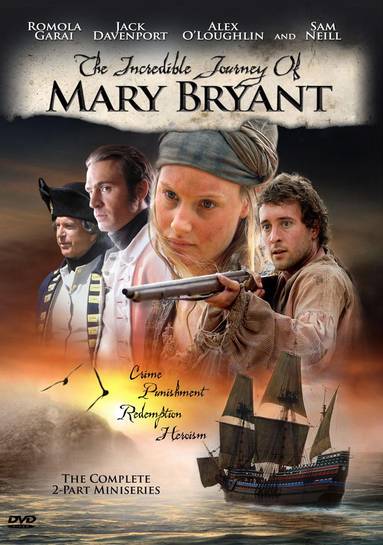
The Incredible Journey of Mary Bryant starring Alex O' Loughlin, Romola Garai and Jack Davenport.
The Incredible Journey of Mary Bryant starring Alex O’ Loughlin, Romola Garai and Jack Davenport. Image via edbaran.com

A challenging conflict is in the heart of the story. We feel lucky when a big, potentially devastating, infuriating, seemingly impossible-to-get-out-of-conflicts is the reply to our most helpful question: “what if…” It is up to us to challenge the protagonist(s), excite readers/viewers and have their eyes glued to the medium of their choice. For instance:

“What if your little daughter accuses your best friend of sexual abuse? What if she is right? But what if he is innocent?”Read more about the conflict from the movie award-winning (Best Actor, Cannes) The Hunt.

Before I move on to Mary Bryant, Please note that I give a more detailed description of the plot and include great scenes and quotes in my Mary Bryant review on my movies blog. It is also a less spoiled version of the story. Here, I’ll list from the less spoiling conflicts to the most spoiling ones. So you might not want to analyze Mary Bryant’s conflicts with me if you haven’t seen the show.

Also remember that while it is based on a true story, some conflicts may be writer Peter Berry’s additions. But fictional or real, I was amazed by every single one.

*

TV mini-series (The Incredible Journey of) Mary Bryant is based on the real life of the English convict Mary Broad (who became Mary Bryant through marriage) who was sent to Australia  (in the 18th century) as a part of her sentence to work as a laborer as the English soldiers saw fit.

Now, in theory, King George is being generous. Instead of hanging criminals, he is sending them off to a far away land where they’ll work and redeem themselves. In truth, their “redemption” starts with a 9-month boat trip where they are treated like animals. There’s no distinction of treatment when it comes to the crime. It didn’t matter you were stealing to not to starve (like Mary), or smuggling some booze along your fish (like Will). You were treated the same with rapists and mass murderers. In the soldiers’ eyes the women are a distraction for the men, and they are seen as whores anyway.

Now, Mary (played by Romola Garai) might be poor, but she is smart, determined and dedicated. And unfortunately, she is pregnant. She thinks that maybe, if Lieutenant Clarke, likes her, her life will be easier. After all, he seems nicer, more humane and well…let’s face it…getting on the good side of a handsome soldier (compliments of the English actor Jack Davenport) seems a lot better than traveling in a cage, starving and gagging. And she has a baby to think of.

She unintentionally gets her chance when she almost drowns and fellow prisoner Will (played by Alex O’Loughlin) saves her life. But it is Clarke that carries her up and gives her a place to rest. He knows that she only stole for staying alive, and believes she’s truly redeemable. Oh and he’s smitten by her beauty. It goes well for a while. He’s not attacking her, she is clean and full and getting lessons. And she shares her food with her friend.

Problems start when he notices she is pregnant and she turns from potential lady material to “whore” in his eyes. Now, Clarke doesn’t immediately punish her. But he does push her away with initial disgust, and goes as far as to have her friend whipped because she openly disobeyed him.

Conflict 1: Your Principles/Values vs. Comfort/Chance for a Better Life

Door Number 1: Explain the situation to the guy. Maybe you were raped. Maybe a guy promised you marriage, you were young and foolish and it was hardly your fault. Maybe you thought you married him but he turned out to be a conman. Whatever. Lie or truth, pregnancy can happen for a lot of reasons, and it can be explained to a guy who, when calm, seems to believe you. Now, remember, this is Mary’s situation in the 18th century, as a convict, on a boat. Not yours.

Door Number 2: You leave his quarters immediately. He is a self-righteous jerk who’s only slightly better than the rest of the soldiers, and he is a part of the system. Almost all women on the ship are whore in his eyes, and he had her friend whipped so badly, that it is a miracle she made it in those horrible conditions.

Mary chooses number 2. She might be a thief, and on the search for a better life for her baby, but she’s loyal to her friend, and her humanity. And she sees the lieutenant for who he is- and this creates the grounds for the other conflicts about to come.

*

After she goes back, she treats Will better, and realizes that he is just a nice guy who probably didn’t really hurt anyone.

After they arrive, the rules are established by the Governor travelling with them. Men are to stay away from the tents. Not that Will listens. But Mary isn’t about to act like a hormonal teen. She has a baby, and things are complicated enough. But she likes Will, and soldiers will probably be more understanding if they are serious.

Will gets on board, and together they land a fishing deal from the Governor. Will has the skill, and they get to be paid a portion of the catch. And married couples can build houses and live there as opposed to tents, so they get married it. They are crazy about each other anyway.

It turns out to be the right call for many reasons, to the resentment of Clarke. They make friends with others, start a family, have another kid and live in not-so-horrible conditions, given that they were prisoners about to be hanged.

But their happiness is short-lived. England isn’t that happy with the colony results, and food is in short supply. Clarke announces that Will won’t have his share of the fish from now on. With 2 kids to feed and people dying out of hunger and fatigue and diseases, Mary decides that they have to escape. They have the people they can trust, but they need the bigger boat of the soldiers. Problem? They need to store food, which they need to steal from storage whose key doesn’t leave Clarke’s side.

Conflict 2: Your family’s survival vs. Sleeping with a Man You Despise 

(while being married to guy you love.)

Door Number 1: You take your children and go to Clarke. You ask for his help. Your children are starving, and you realized that Will wasn’t great husband material after all. Clarke is more than happy that you saw sense. That you chose him.

Of course this is a ploy to keep him distracted, and while you fake emotions, you can’t fake the sex. And your husband knows. And he has to agree. He can’t risk his kids dying of hunger, can he?

Naturally Will’s situation is a great conflict too. He can’t stop his wife, even though he wants to. He doesn’t want to agree, but he has to. Knowing his wife is sleeping with another guy, a guy that he despises is extremely hard. But watching his children die….that’d be much harder.

Door Number 2: She doesn’t go to Clarke. They all die, sooner or later. Along with their children, knowing they haven’t done everything they could.

It’s horrible, but it is a no-brainer. Will and Mary choose option 1.

*

Since all the door number 2s in the conflicts will also cause death, I’ll just provide the conflict and the characters’ choices from now on.

Conflict 3: Risking Escape vs. Involving Dangerous Men You Don’t Trust

The last thing Will and Mary need is to have 2 men on the board they despise, but they don’t have a choice. They’ll be exposed or hurt. They came too far to give up. So they include the men. Who don’t like the idea of having a woman on board. Who believe women are there to have sex with. Who don’t like the idea of kids on board. Luckily for Mary and Will, they need Will to sail and Will isn’t going anywhere without his family.

Conflict 4: Leaving a Loyal Friend Behind vs. Getting Everyone Else Killed

When the soldiers catch up with them on land close to the colony, and Sam can’t catch up with the rest, they have to risk capture or death. Now some want to go back. Will can’t openly leave him behind. Even Martin (one of the men they don’t trust) doesn’t want to leave him behind. Not that Marry wants to, but again, she puts her family’s survival above all, and she leads the boat away.

*

Things seem easier to deal with once they reach their destination. 2 men short, but alive. They convince the Dutch about them being English people who lost their boats and crew, and they start leading a luxury life – a temporary one that will last until the Dutch can arrange a boat to take them home.

Everyone except Will is happy. He is unhappy about all the lying, and he is angry about everyone’s fascination with Mary. It even gets to the point that he suggests Mary stays here and lead a better life but Mary isn’t about to let him give up on them in a depressed state. They love each other, and she is with him by choice.

Conflict 5: Sacrificing Your Life vs. Giving Your Wife and Kids a Chance at Escape

This is not even a choice for a guy who loves his family, and Will isn’t about to let them killed after everything they have been through. When the English find them and their identities are exposed, Will sees that Mary and the kids are trapped. Instead of escaping, he grabs the attention of Clarke, giving them a chance at escape. He gets caught, and gets killed (though his last move was to plunge at Clarke with knives).

Unfortunately, the guys catch Mary and the kids anyway.  Back on their second 9-month boat trip, things are worse. Mary has lost Will, the kids die out of a disease they caught.

Conflict 6: Fighting with Your Last Breath vs. Giving Up

Back at home, waiting for the trial that’ll decide to hang them, Mary is despondent. The remaining 2 are hanging on to the hope that the society’s support might save them, if Mary made a heartfelt speech at court. Except, Mary has given up. Depressed and feeling guilty over losing her family…the reason she did everything for…

But at court, she says that she is not a hero. And she doesn’t mind being hanged. She lost everything. But she does defend her fellow mates- who better or worse- followed her decisions. Took the risks. Survived up to this point. And her speech, gets them off.

She wins against Clarke. And England. They part to resume their lives, though Mary is the one who has lost the most.

*

I might have skipped some, but these 6 are very compelling conflicts spread over several hours. The fact that most were real conflicts experienced in real lives make them all the more effective. They break your heart, and make you angry. But in the end you find yourself admiring Mary (and Will). You were rooting for them anyway, but as the stakes go higher and their choices get more difficult, the more engaged you get.

The protagonists go through hell again and again, making it impossible for the viewer to stop watching.

And as far as what I’d do if I were in Mary’s shoes…I think one of Will’s lines sums it up perfectly:

Will: I could never leave that boy behind. Not more than I could sleep with Ralph Clarke. But we got this far because you could. They all know it but none of them could say it.

*

Want more conflicts? Try:

Most Enthralling Story Conflicts & Dilemmas: The Ledge – Kill Yourself or Your Loved One Will Be Killed

Your Daughter’s a Liar or Your Best Friend’s a Pervert: Most Enthralling Story Conflicts 2 – The Hunt

Ransom – You Just Killed Your Son or You Just Saved Him: Most Enthralling Story Conflicts 3

This post contains affiliate links.

Filed Under: Story Conflicts Tagged With: compelling story conflicts, creating conflicts, creating story conflicts, examples of good story conflicts, mary bryant, story conflict, story writing, the incredible journey of mary bryant

Review for Tom Ewer’s Blog Leaving Work Behind

Posted on December 17, 2012 Written by Pinar Tarhan

leaving_work_behind_logo
Image via leavingworkbehind.com.

Tom Ewer is enjoying his well-deserved popularity as he runs the popular and authoritative blog Leaving Work Behind where he writes about quitting your job and building a career that’s right for you.

While his posts aim to help you realize your goals of quitting your job and running a successful online business, he focuses a lot on freelance writing/blogging which makes it very relevant for writers.

But another thing that makes Tom’s posts relatable is that he is not so far gone in his freelance income that he’s doing $500/hour copywriting gigs or $1/word magazine writing jobs.

Yes, he could accomplish that if he wanted to but with his current schedule he has the time to work on other projects. And flexibility is one of the best things about working for yourself.

He encourages you to take well-paying, respectable jobs but he knows that if you’re just starting out, you might not want to pass up on $30/piece blogging gigs, especially if it is from a growing, respectable company.

He started taking gigs on the side before he left his full-time job.

He’s all for passive income, but he suggests you improve your writing, and start making money through it because passive income streams take a lot of time and effort to develop.

Tom also offers useful additions to topics when you think you’ve heard it all before.

Below are 3 of my favorite posts:

1)      How to Spot Viable Freelance Writing Opportunities on Job Boards

This is primarily a video post, and I’m usually more into reading than watching or listening. But he makes great points on how to pick the best jobs on job boards by actually following all the links, looking at and analyzing the employer’s site and giving you the pros and cons, including educated guesses on what the pay might be.

This is by far the most comprehensive and useful post I’ve encountered about job boards.

2)      Paid Blogging: Why it Should Be Your First Option

This post isn’t just for freelance writers. It points out how internet marketers/online business owners shouldn’t disregard the power and potential of blogging. Even if they don’t get paid for it, writing good web copy plays a crucial part in making money online.

But if you could, why not get paid for it?

3)      Freelance Writing: How To Find Your First Job

This is a great guide that covers how/where you should go about looking, how you should apply (including the template of his application) and how to handle the project once you land it.

*

Tom Ewer’s Leaving Work Behind is informative, easy to relate to and fun. Established writers are following him too, so I suggest you take a look if you haven’t already.

Related Posts Plugin for WordPress, Blogger...

Filed Under: Blogging, Book Reviews, Website & Blog Reviews Tagged With: advice for bloggers, blogging resources, freelance blogging, freelance writing, leaving work behind, paid blogging, tom ewer

  • « Previous Page
  • 1
  • …
  • 53
  • 54
  • 55
  • 56
  • 57
  • …
  • 76
  • Next Page »

Blogroll

  • My Entertainment Blog

My Other Blogs

  • Beauty, Fitness & Style for the Fun-Loving Gal
  • Dating & Relationships in the 21st Century

Categories

  • Author Interviews
  • Author news and coverage
  • Blogging
  • Book Launches and Excerpts
  • Book News and Author Interviews
  • Book Recommendations
  • Book Reviews
  • Career Management for Writers
  • E-Book Reviews
  • Fiction Writing
  • Fictional Writers: Writer Characters in Movies, TV Series and Books
  • Inspiration and Motivation
  • Marketing
  • Marketing Fiction
  • Movie and TV Series Recommendations
  • Novel Reviews
  • Paying Markets-Web and Print
  • Productivity & Time Management
  • Recommended Resources
  • Reviews for Tools and Devices
  • Romance
  • screenwriting
  • Self-publishing
  • Story Conflicts
  • Website & Blog Reviews
  • Writer Tools
  • Writing
  • Writing Tools
  • Writing Updates

Copyright © 2026 · Focus Pro Theme on Genesis Framework · WordPress · Log in

This website uses cookies to improve your experience. We'll assume you're ok with this, but you can opt-out if you wish.Accept Reject Read More
Privacy & Cookies Policy

Privacy Overview

This website uses cookies to improve your experience while you navigate through the website. Out of these, the cookies that are categorized as necessary are stored on your browser as they are essential for the working of basic functionalities of the website. We also use third-party cookies that help us analyze and understand how you use this website. These cookies will be stored in your browser only with your consent. You also have the option to opt-out of these cookies. But opting out of some of these cookies may affect your browsing experience.
Necessary
Always Enabled
Necessary cookies are absolutely essential for the website to function properly. This category only includes cookies that ensures basic functionalities and security features of the website. These cookies do not store any personal information.
Non-necessary
Any cookies that may not be particularly necessary for the website to function and is used specifically to collect user personal data via analytics, ads, other embedded contents are termed as non-necessary cookies. It is mandatory to procure user consent prior to running these cookies on your website.
SAVE & ACCEPT