Addicted to Writing

Manage Your Freelance Writing Career While Writing What You Love

  • About Pinar Tarhan
  • Blog
  • Books
  • Hire Me: Services
  • Contact Me
  • Portfolio
  • Favorite Resources
  • Newsletter

Newsletter Writing 101: The Dos and Don’ts

Posted on November 8, 2018 Written by Pinar Tarhan

Brace yourselves, a long post is coming.

Fear not, though, this is all useful stuff. Ready? Superb!

Raise your hand if your inbox is crammed to the brim with newsletters you haven’t had time to open yet. You have every intention of checking them out. After all, you are fans of the writers, bloggers, and entrepreneurs who put them out.

You know most of them offer invaluable advice. Some are genuinely funny to boot. The problem? There isn’t enough time. So you hit delete if you are feeling pressed for time, or you’ve lost your will to work (or do anything) after you have seen your inbox always has hundreds of unread messages, and this is not even your work email. Your friends don’t email you. This is all newsletters. Aargh!!!

Right. What was that thing on the top of your to-do list?

“Write newsletter. Send it to email subscribers.”

Oops! How do you stand out, get read, and keep the subscribers when you yourself can’t keep up with the newsletters you wanted to receive?

Don’t despair. It is less art and science, but more empathy and trial/error. Oh, and our dear friend common sense.

I’m assuming you already have decided on an autoresponder, but if you haven’t, I recommend ConvertKit. (Yes, this is an affiliate link.)

I use ConvertKit for this blog. It is fairly easy to use and costs $29/month for 0-1000 subscribers.

Now to the essential dos and don’ts:

Don’t write an epic!

While you might occasionally need to write a very long newsletter issue, you shouldn’t do it every single time. It is not just about attention spans; people have work to do.

Do think twice before promoting a product.

Before sending a glowing recommendation on this amazing bundle/course/book/webinar/whatever, ask yourself this question: How hot is this product?

I’m not asking you if you trust the product. I believe you do. Otherwise, you’d not be encouraging your audience to check it out.

But I can’t tell you how many times I’m recommended the same product. The first person to send the newsletter is the luckiest. I get curious, check out what is all about, and if it is of interest, I subscribe/purchase/etc. The second person gets a nod from me, but I delete the email quickly. Boredom is slowly kicking in. Because I know I’m about to get more emails promoting the same thing.

The third person? It’s already annoying. So if you have gotten the recommendation email from another blogger, maybe don’t send it to your subscribers. Send something else instead.

Look, I get it. It is your income we are talking about. You are thinking about potential purchases. Or you are thinking about how impressed your affiliate partner will be when you send many new potential customers and fans their way.

Never forget, however, that your most important relationship is the one with your own subscribers. You don’t want to annoy them.

Think about your timing. If it has been recommended it to you, if you aren’t one of the first people the creator notified about it, people have already gotten the promotional email.

Do occasionally do a Seth Godin.

seth godin
Seth Godin. Image via entrepreneur.com

If you have something meaningful to say and you can say it in a few words, do it. It is all the rage nowadays to send long, long text. Change it up when it comes to length. Your subscribers will thank you for it.

Marketing master Seth Godin excels at the short stuff. Okay, admittedly he is great at longer stuff too, but you get the point.

Don’t send them too often.

I unsubscribe from a lot of newsletters because I can’t keep up with the sender’s frequent messages.

It is commendable that you want to educate and entertain your audience frequently. You might be thinking “I’m not even promoting anything! This is just valuable information!”

Great, but we all have Google. What I mean is, as much as we might be dying to become experts on any given topic, we don’t want to stay married to our inboxes. I strive to save as many excellent newsletter issues as I can, but occasionally I’ll just say, “Sod it!” and start deleting everything to get to Inbox 0.

And gasp!, I might even unsubscribe. The good news is, if you are so productive that you’re flooding my inbox daily, I already know your name. I will even occasionally remember to check out your blog. The bad news is, you’ve still lost a subscriber.

Don’t be that person.

Do offer your subscribers options.

Some sayings are cliché because they are true: You can’t please everyone. Even people who enjoy your blog enjoy it for different posts and reasons. So it’s wise to check in with your subscribers every once in a while and asks them what kind of news, topics, and frequency they are interested in. It is more work on your part, but I assure you, it is worth it.

Don’t send them too infrequently.

I have to admit this is one of the sins I commit. I tend to send a newsletter once a month or less. This bullet point is a reminder to both me and you to remind your audience of your existence more often.

Once a week or at least once in two weeks is fine – unless your audience notified you otherwise.

Do write an engaging subject line.

We all know subject lines matter at this point. However, writing a captivating one is easier said than done. If you don’t want to spend too much time obsessing over this (and you shouldn’t), at least try to capture the essence of what it is about.

Don’t be a drama queen with your subject lines or the content itself.

This point might seem like it contradicts with the previous one, but it doesn’t.

When we study marketing, we are encouraged to be personal. To determine an urgent need/want of our target audience and to capture their ever-fleeting attention. But when you overdo it, you can end up losing people.

What do I mean by not using too much drama?

I literally just deleted this email from a publication I like and subscribe to without opening it. The subject line said: “You Will Wonder How You Ever Lived Without These Tips and Tricks.”

No, I won’t. I don’t think you have found the holy grail of tips and tricks (and congrats on not even telling me what they are about, by the way!), and there is much doubt on my part that a subject line like that can deliver on its promise.

While I advise being specific, you might hurt your chances if you are too specific, or if you appear condescending.

For instance, let’s say you are launching a product or service that promises to help your audience increase their income level from a certain point. That’s awesome!

But how do you frame that certain point without pissing off the audience that is at or below that income level and find that interval not disappointing or low at all?

Saying “Want to make …. $ more a month?” can yield better results than “Ever grow tired of making just …. $?”

It doesn’t matter if you deliver on your promise and every client you worked with succeeded through your advice. You don’t want to make your readers feel less than.

Don’t use emojis.

This might be me giving away my age, but we are all adults here. Do emojis really belong in the newsletter? Let me know if it is my own personal pet peeve.

I’m in my 30s, and I have seen the times when emojis didn’t exist. Of course, I might be wrong, but I’m willing to bet I’m not the only annoyed by this.

It is okay – even recommended – to use images and a fun, friendly language in your newsletters. Even emojis, depending on your personal style and subject matter. But use caution when dropping emojis in subject lines.

Do balance the promotional with the informative.

We all have something to promote, even if we aren’t selling anything. Otherwise, we wouldn’t need a newsletter.

You might just want to be heard. You are still promoting your ideas. And that is fine.

Writing is meant to be read and shared. Ideas are meant to be spread and talked about.

And it is more than okay – expected even – for you to be selling something. You need to make a living. And what better way to make money than by helping others achieve something?

So your readers are ready for – and mostly fine with – emails that want to sell them something. Still, you don’t want to do that with every email, or even every two emails.

Balance them. It is best if even your promotional stuff is filled with freebies, helpful links (that go to free-to-read articles and resources), and a ton of practical information.

Do pay attention to your formatting.

Technology pisses off even the more experienced or patient of us. Formatting can get awry even though you didn’t do anything wrong or different. The best thing you can do is to preview the email you are planning on sending, and then send it to only yourself to check how it looks before everyone on your list receives it.

That said, the same format might look different on Hotmail vs. Gmail vs. Yahoo, so there is only so much you can do.

Still, for peace of mind, I recommend previewing and sending it to yourself.  And if a subscriber alerts you to an issue, you can take a look then.

Do include images and links when you can.

I touched upon this in a previous bullet point, but it deserves its own. It’s tempting to send someone all text. Some readers might even prefer it that way. But most people are not happy without much white space to wake them up. You don’t want an active subscriber, someone who bothered to open your message, to get lost in all the writing.

So spice it up. Make it visually appealing. Links and images mean you have gone the extra mile. Your readers will appreciate it.

Do lure them in, but deliver in the whole post as well.

I talked about enthralling your audience with a subject line that will attract their attention. Now, your newsletter has to deliver. Don’t just work on getting opened; work on being read fully.

Do send them freebies and promotional codes.

Have you created a freebie resource yourself? Did someone you admire craft one? Let your audience know. Is the hosting company you are using offering a discount? Is your autoresponder running a sale? They should know.

If people need that service, they will take you up on it. The one thing you need to do is let the audience know if you are getting paid for the recommendation. 

Do share your favorite resources.

What are you reading? What courses are you taking? What blogs are forever bookmarked on your computer? Share these with your readers.

If links are applicable, use them so you will save your readers time. They appreciate people who make their life easier.

Do disclose affiliate relationships.

This is worth repeating. If you are getting paid, just noting “aff. link” next to the whatever you are linking to will suffice.

Do choose a reliable autoresponder.

There are free options out there. You can also opt for a different autoresponder later down the line and migrate your existing subscribers. Just read the features of the service you are interested in.

  • How much does it cost?
  • Do they offer a free trial?
  • Do they allow affiliate links in emails?

and so on.

Do a bit of reading. I’ve used TinyLetter (free) before for this blog. I later converted to (pun intended!) ConvertKit (aff. link), and for my travel blog, I’m currently experimenting with MailerLite (which is free for 1000 subscribers) on my travel blog.

Do brainstorm ideas with friends and colleagues.

Don’t know what to put in your newsletters? Brainstorm with writer friends. Also take a look at what your fellow writers are putting in theirs.

For instance, my good friend Olga Mecking invented a sort of national newsletter writing month where she is sending her subscribers a newsletter every day for November.

Yes, I told you not to flood people’s inboxes, but this is a special, themed occasion inspired by NaNoWriMo, and will only last a month. And people know what they are in for when they sign up.

*

Now that you’ve armed yourself with information on how to rock your newsletter, get to work on applying these babies.

Filed Under: Blogging, Marketing, Writing Tagged With: how to write a newsletter, how to write an effective newsletter, newsletter writing tips, newsletters, writing a newsletter

Writing for Free: Everything Writers Need to Know About Writing for Free

Posted on September 9, 2017 Written by Pinar Tarhan

Frustrated Writer.
Frustrated Writer.

Ah, the age-old question. Should a writer ever write for free?

The simple answer to that question is that, if you can help it, no. You should not write for free. Writing is work. It’s labor. And we need to be compensated. As awesome as exposure and fame sound, they don’t buy groceries.

Which brings us to the “if you can help it” part. You might consider writing for free when:

  • You are a newbie with no clips.

What if you can afford not being paid in the short term? Maybe you are still at your full-time job. Maybe you have another source of income or a partner who can help with the cost of living for a bit? Then, you might consider writing for a very authoritative, popular and respected site – like Copyblogger – for free.

While Copyblogger can afford to pay writers, guest posters – as far as I know- are not paid. However, the traffic, social media shares, and hopefully email subscribers are potentially a lot more than you’d get from writing on your own blog or writing for a site that is much smaller, not-as-well-known and pays a pittance.

You’d also be exposing yourself to a wide audience coming from a variety of industries. You would be majorly enhancing your portfolio by including a link to your Copyblogger piece in your pitches. Clients have a better chance of reaching out to you after your piece there as well.

  • You are an experienced writer but you have no relevant clips, and you are looking venture into a new niche.

Sometimes you have clips, but nothing remotely close to the ones your potential client is looking for. You can try getting published for pay, and that is better than writing for free. But sometimes, you can’t get published for pay.

Sometimes a publication pays but does not offer a byline: You need your byline to add to your portfolio. You can still opt to get paid if you need the money, but that means you still have zero relevant clips.

You can write for a relative/friend/acquaintance for free. They should ideally pay you. But if they can’t afford it, and or you are new at this niche – meaning you have no experience from your education, work experience, etc., you can write in exchange for a stellar testimonial from them.

*

Remember, we all write for free…for ourselves.

We write our blogs and social media posts. No one pays us. OK, we are our own boss, but we are also our own marketer. We are marketing our writing with each thing we put out there.

Since we already do a lot of free writing, it is better not to write more for free, as much as we can help it.

I believe that most publications that don’t pay are setting a bad precedent.

Make a website, offer exposure, don’t pay anyone. Right…

Yes, obviously, if my favorite author came out of nowhere and asked me to do some writing for free, telling me that he will share my post (with my byline) with everyone, then yes, I’d do it. For the exposure. Because I’d totally fan out on him. (Yeah, probably not a term.)

But my favorite author is filthy rich. And at this point, he knows I can write. Why else would he ask me to write something for him? So, the obvious question is, why the hell is he not paying me?

*

The lesson to take from this piece is simple: It’s complicated.

Things, unfortunately, can work differently than other professions. The best thing we can do is to go after paid opportunities as well and as much as we can.

But if we need the byline more than the money, we can swallow our wallet (not our pride; writing for them is prestigious, remember?) occasionally to make our portfolio shine.

Yet every time we do swallow our wallet, we are making it harder for other writers to get paid too.

So, let’s have a toast: May we always get paid and get a byline too.

*

Tell me, what do you think about writing for free? Please share in the comments.

And if you found this post helpful, please share it on social media. My boss, aka me, is paying me with exposure for this one. 😉

Filed Under: Blogging, Career Management for Writers, Marketing Tagged With: career management for writers, should writers write for free, writing career, writing for free

10 Ways Facebook Can Keep You Sane and Productive

Posted on August 10, 2017 Written by Pinar Tarhan

I heard from a couple of writers I respect that they are quitting Facebook. Some of them keep their business pages, or just one group related to their blog or latest product. Few are going cold turkey.

I get where they are coming from. Social media can be a huge time suck. Likes, comments, and upvotes are addictive. For some, it means affirmation and validation. For many, it is a popularity contest. But among those who enjoy the popularity, are writers and other business owners like you and me.

Facebook, while a great platform for connecting like-minded people, staying in contact with friends and building your brand, can be hell: People being constantly negative, friend requests from creepy strangers, newbie bloggers who want to use you as a free consultant and their own Google, and content that gets banned for no good reason along with content that should be banned but isn’t…

Yet the positives far overweigh the negatives. And I can’t give up on Facebook. Maybe it is an age thing: You see, I was there almost from the beginning. I signed up around 2007, right after my Erasmus year. It was mainly a way to keep in touch with friends and neighbors. It was also to kill time during an internship where they didn’t give me much responsibility.

So 10 years later, Facebook remains my favorite social networking site. Granted, it has its cons. I hate most design updates. The ads are a bit much. But worst of all, it is so damn easy to get lost in your news feed when you have over 500+ friends.

But don’t worry. Facebook, with a little insight and self-control from you, can be a very powerful business tool, as well as serving as free therapy and entertainment.

So let me provide a proper bullet-point list on how Facebook keeps me sane and productive, and you can decide for yourselves whether it is worth your time. Because if we are honest, it makes procrastination very easy.

1. Traffic and social proof. Most of my blog traffic and shares come from Facebook. I have a lot of writer friends, and friends who want to be writers/or bloggers here.

2. Social media management skills. I might not be the ultimate Facebook guru, but I’m pretty damn good at it. I do social media marketing for clients, so it helps that hanging around Facebook comes as a second nature to me. I love the site. Damn you, Zuckerberg! You created a monster.

3. Groups for social interaction, business growth and learning. Yes, you can google a lot of things, so I’m not suggesting asking friends and colleagues “What’s WordPress?” or What’s blogging?” in this day and age. But there is a lot Google can’t tell you, especially in the specific way you need to learn them.

Google is a search engine, and sometimes you need to ask direct questions to your more experienced peers. Some of the amazing groups I belong to:

Groups on making money from your non-fiction:

  • 30 Days or Less to Freelance Writing Success (private group for Gina Horkey’s namesake course.)
  • Earn More Writing (group for Holly Porter Johnson’s namesake course)
  • Beyond Your Blog  (Group for Susan Maccarelli’s namesake blog)

Anything related to Screenwriting

  • Bang2write
  • Screenwriters who can actually write

Anything ficiton-writing

  • Fiction Writers

I run some awesome groups myself:

  • Addicted to Writing – official group for this blog
  • Writers Helping Writers – a group for all things fiction and non-fiction with very few rules. (The existing rules are: Be respectful and nice to each other; helping others comes before self-promotion.)

I get a lot of requests, so I recommend add something about writing to your profile. It also helps if you belong to writing-related groups. This is to avoid people who sign up for everything but not participate, or people who are not serious about writing. Everyone in this group is either working as a professional writer, or trying to. Writers who write as a hobby won’t find it as fun or practical.

  • Hyperactive Dreamers. This is a super niche group. While most of the members are writers, it is a group for people who love more than more profession, run or want to run more than one business and has multiple fashions. We are extremely helpful, so you are welcome to check it out.

4. Keep in touch with clients. Sometimes you stop with certain clients, but you are on good terms. You can later collaborate on other projects. Or you can just have a wider network. Some of your clients love Facebook. So do you. And who knows? Maybe they want to throw some Facebook-related work your way. Or they see you and remember that they have friends who need writing work.

5. Finding like-minded people. Oh, this is crucial. Many of us full-time writers tend to be at least a little quirky. Frankly, I think it is non-writer people are a little weird, and I need writer buddies to back me up on the sentiment. We have big dreams, and we don’t let overt realism or pessimism deter us. Fellow writers understand why we can’t just write as a hobby.

6. Sharing ideas and exchanging feedback. With some ideas, I’m confident I need to keep pursuing. Some ideas, especially if I’m not experienced in the niche or with the genre, I need feedback on. And once I start working on with an idea, I need more feedback. Obviously, I return the favor.

The good thing about Facebook is that it offers variety. So let’s say you can take criticism, but you are not a fan of tough love. (That’d be me). It’s amazing that I can find friends who will be honest with me without crushing my spirit.

7. Laughter and entertainment. Who doesn’t love a funny video, song, joke, gif, meme…etc? Let me share one right here. The world can be a dark place filled with problems, including and not limited to your own life. So yes, I’m unapologetic about my right to see cute kittens on a regular basis.

8. It improves your writing. When you share posts, you learn quite a bit about how to write succinct but interesting

9. Venting. I don’t recommend venting all the time. It is not pretty, and it might turn off a lot of people, clients and friends included. But we need a place to share our frustration, and writers get frustrated a lot.

I’d argue we lead more challenging lives than other professions, except for other creatives, because we get rejected almost on a daily basis. I’ve been known to receive two rejection emails within 5 minutes. What the….?

I also live in a city with tons of traffic, inconsiderate people, crazy weather and constant construction noise. And then there are health problems and family members…So yeah, we all need to vent sometimes. And it’s great to be welcomed by friends who jump in to say “Me too!” It just is better for everyone if you can combine the anger with some humor.

10. Reducing isolation. I talk to friends, and it feels like I have co-workers. The difference is, I like all of these co-workers. Writing can be very lonely, and it is detrimental to our well-being to be on our own all the time, especially if we have an extroverted side. Social media created the illusion that we’re not working alone, and Facebook just is more comfortable when it comes to messaging and commenting if you’re on your computer a lot.

*

7 Tips to Limit Time Your Time on Facebook

  • Turn off the Internet.
  • Get away from the computer.
  • Use free apps to block your site. I use SelfControl for Mac. I wrote it about in detail in my productivity book. (If you want to receive The More Productive Writer, email me and I’ll add you to the newsletter. Or you can subscribe to the newsletter by using the TinyLetter form in the right sidebar.)
  • Schedule more time for exercise and friends.
  • Leave groups that you haven’t felt the need to participate in a long time, or groups that have failed to provide you benefits.
  • Unfriend people who you don’t remember even meeting. They aren’t notified when you do.
  • Unfollow friends whose feed you aren’t enjoying.

*

How about you? Are you a Facebook person? Let me know your reasons why (and why not) in comments!

And if you liked the post, please share it on social media.

Filed Under: Marketing, Productivity & Time Management Tagged With: facebook, facebook productivity, how to use facebook for your writing career, how to use facebook productively, marketing for freelance writers, marketing for freelancers

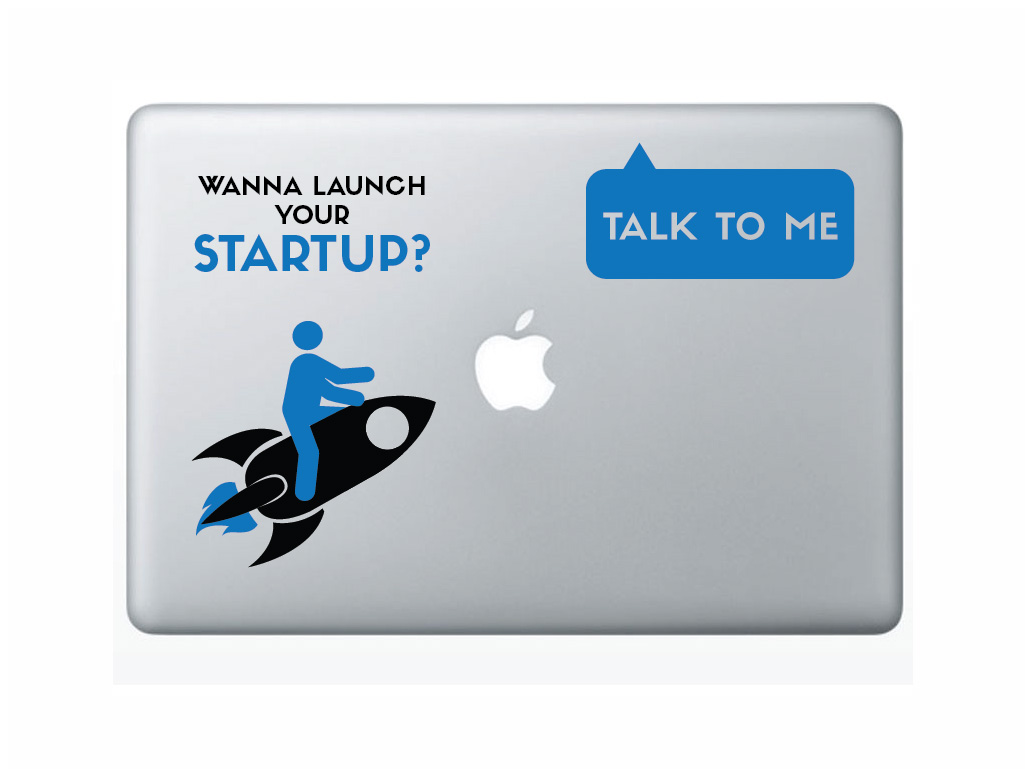
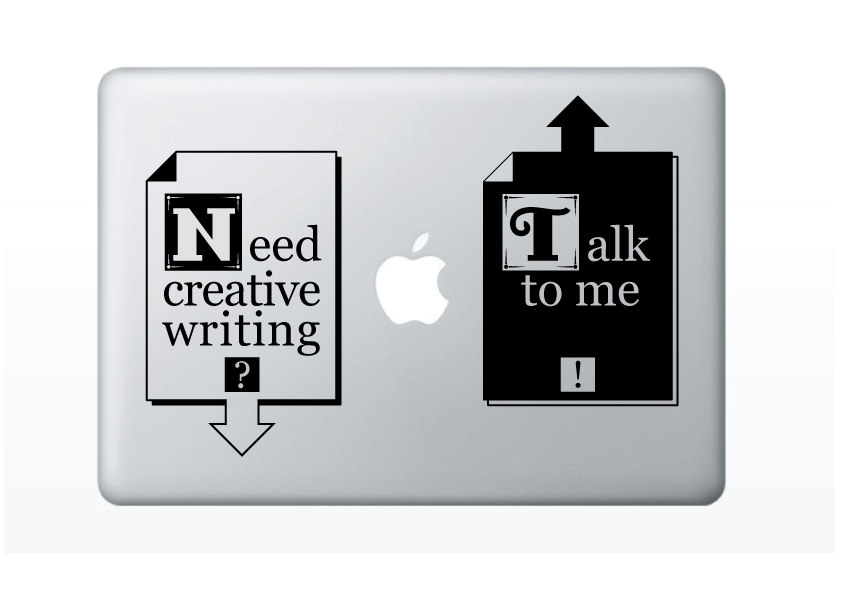
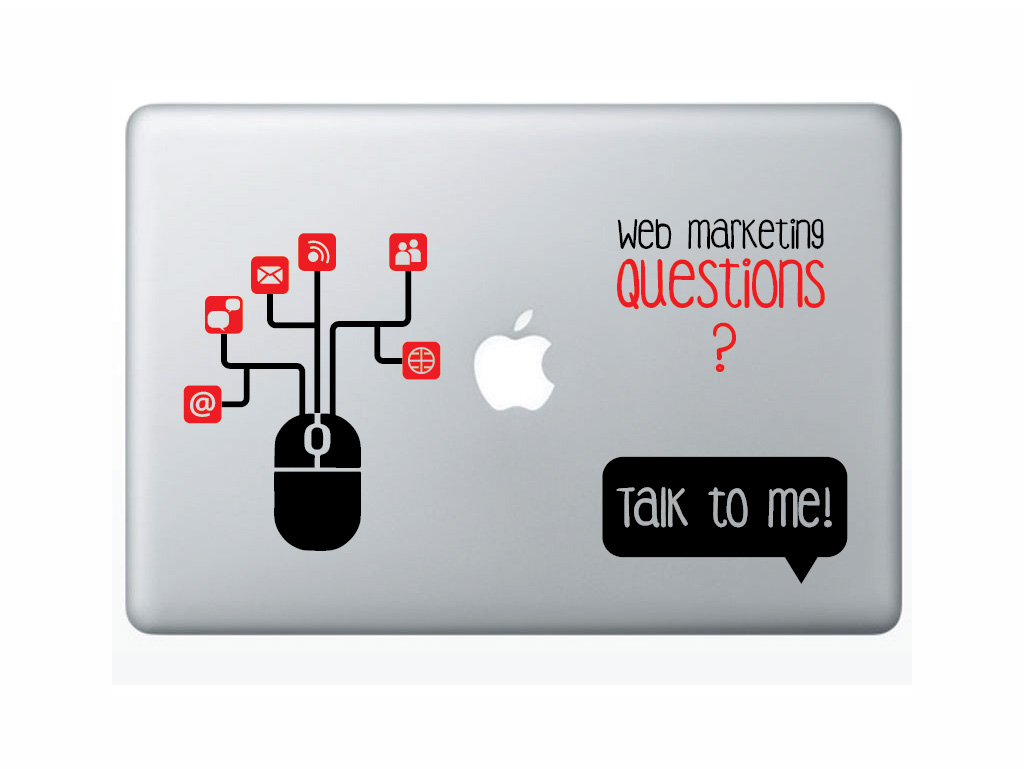
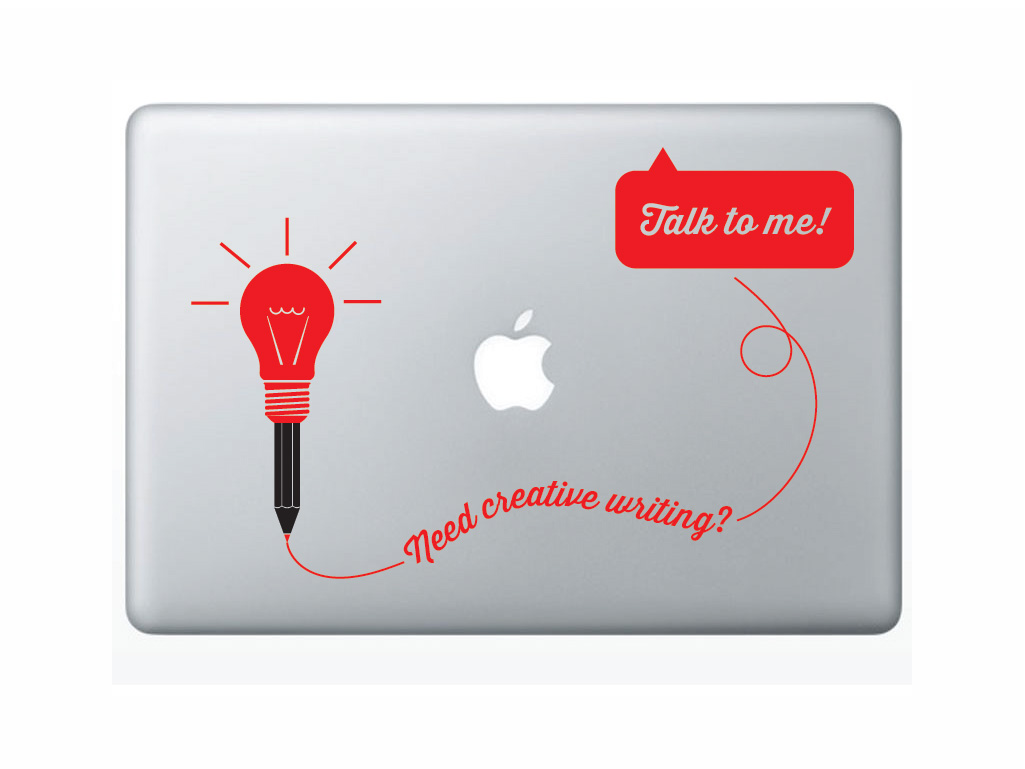
Coffee Shop Freelancers’ Decals: A Fun Way to Market Yourself

Posted on January 25, 2015 Written by Pinar Tarhan

Let’s face it, sometimes marketing can be a real drag. I’m all fine with more indirect ways such as commenting on blog posts, having an updated resume on LinkedIn and keeping in touch with writers and editors. I’m even okay with sending query letters. But I haven’t sent any LOIs yet (I know, shame on me) or, attended a writing conference. (I live far away, but planning to change that- which is for another blog post, though.)

I did, however, start a group for writers and bloggers near where I live, so that’s a start.

So I’d rather have something that did my marketing for me, or at least contributed to my efforts while I concentrated more on my writing and editing (my own stuff: you know that takes a while.)

What if there was an easy way to tell everyone what you did without having to say a word, and they introduced themselves to you if they needed your services?

Enter Christophe Gonzalez of (Coffee Shop Freelancers), who found that fun, informative and customized decals were the answer.

Coffee Shop Freelancers is a site that features fun and informative designs decals for your laptops. The soon-to-be-launched site offers to 20% discount to e-mail subscribers.

Prices will be around € 25/$ 30, excluding shipping.

You can see some of the designs below.

Disclaimer: I wasn’t paid in any way for this post. I was contacted by Christophe about his site, and was happy to share his project after seeing the website and press kit. I did however subscribe to the e-mail newsletter, and unless the shipping costs go over my budget, I’m planning on placing an order.


decals-09


d11


decals-10


decals-11


Related Posts Plugin for WordPress, Blogger...

Filed Under: Career Management for Writers, Marketing Tagged With: coffee shop freelancers, freelance writing, marketing decals, marketing for freelance writers, marketing for freelancers

  • « Previous Page
  • 1
  • 2

Blogroll

  • My Entertainment Blog

My Other Blogs

  • Beauty, Fitness & Style for the Fun-Loving Gal
  • Dating & Relationships in the 21st Century

Categories

  • Author Interviews
  • Author news and coverage
  • Blogging
  • Book Launches and Excerpts
  • Book News and Author Interviews
  • Book Recommendations
  • Book Reviews
  • Career Management for Writers
  • E-Book Reviews
  • Fiction Writing
  • Fictional Writers: Writer Characters in Movies, TV Series and Books
  • Inspiration and Motivation
  • Marketing
  • Marketing Fiction
  • Movie and TV Series Recommendations
  • Novel Reviews
  • Paying Markets-Web and Print
  • Productivity & Time Management
  • Recommended Resources
  • Reviews for Tools and Devices
  • Romance
  • screenwriting
  • Self-publishing
  • Story Conflicts
  • Website & Blog Reviews
  • Writer Tools
  • Writing
  • Writing Tools
  • Writing Updates

Copyright © 2026 · Focus Pro Theme on Genesis Framework · WordPress · Log in

This website uses cookies to improve your experience. We'll assume you're ok with this, but you can opt-out if you wish.Accept Reject Read More
Privacy & Cookies Policy

Privacy Overview

This website uses cookies to improve your experience while you navigate through the website. Out of these, the cookies that are categorized as necessary are stored on your browser as they are essential for the working of basic functionalities of the website. We also use third-party cookies that help us analyze and understand how you use this website. These cookies will be stored in your browser only with your consent. You also have the option to opt-out of these cookies. But opting out of some of these cookies may affect your browsing experience.
Necessary
Always Enabled
Necessary cookies are absolutely essential for the website to function properly. This category only includes cookies that ensures basic functionalities and security features of the website. These cookies do not store any personal information.
Non-necessary
Any cookies that may not be particularly necessary for the website to function and is used specifically to collect user personal data via analytics, ads, other embedded contents are termed as non-necessary cookies. It is mandatory to procure user consent prior to running these cookies on your website.
SAVE & ACCEPT