Addicted to Writing

Manage Your Freelance Writing Career While Writing What You Love

  • About Pinar Tarhan
  • Blog
  • Books
  • Hire Me: Services
  • Contact Me
  • Portfolio
  • Favorite Resources
  • Newsletter

How to Write Newsletter Subject Lines

Posted on March 24, 2022 Written by Pinar Tarhan

I don’t have an insanely big email list. I am not an expert on making the most sales through an email list.

But I’m subscribed to many newsletters. And I’m good at empathy, recognizing reader behavior, ignoring, and unsubscribing.

I’m pretty sure no one has unsubscribed from my list because I bombard them with too frequent newsletters, which is the number one reason I hit unsubscribe.

I love reading about newsletters: How to get subscribers, how to make sales, how to turn your readers into fans, how to write subject lines…

But you see, some of the newsletter experts (or at least people we follow because they have exponentially more people on their lists than we do) aren’t as good as creating intriguing subject lines as they think.

Here are some actual newsletter subject lines that made me delete the email with a shrug:

  • “My mission.”

I’m sure it is super meaningful and helpful to others, but the subject line doesn’t help me at all.

  • “Can you join us for this?”

What is “this?”

I have no idea. I know it is about writing/writers/books, but it is too vague. Even John Grisham can’t make me open such vagueness. And Grisham is my favorite author.

I’d like to think if he was signing books all over in Europe in person, he (or more likely his team) would add this to the subject line.

Even if he didn’t, you can bet my country would let me know, so I have no reason to open that newsletter. And this is an author whose books I buy with a spring in my step.

Two more examples of emails I didn’t open:

  • “It’s Here!”
  • “What happened was…”

What is here? As much as I willingly subscribed to the email list, I don’t have the brain space to remember what the previous email was about.

Yes, I don’t remember the subject lines or the project names of John Grisham’s emails either.


Actual Email Subject Lines That Made Me Open

Now that we covered what doesn’t work, let’s focus on what works.

  • “Sell books on Social Media.”

It’s not original or funny. But it touches a pain point and tells me what it is about. I’m there for it!

  • “Book Marketing Strategies to Improve Your Website Performance”

Tell me more!

  • “From social worker to sleeping in Tom Hanks’ bed.”

Ok, this one is super interesting and original. But also, this is from a travel writer I follow. So it is still very much on-topic. Lindy Alexander writes super useful and engaging emails and blog posts if you want to check her out.

  • “Blurbs and Books Readers Crave.”

OK, this is from Bryan Cohen, and I do like his copywriting and webinars. I even hired his company to rewrite my blurb and ad copy, and I was happy with the result. But from an originality/excitement standpoint, it is pretty ordinary. One well-selected verb, and the rest just describes what’s in it for you in simple terms. Great!

  • “Most Used Norwegian Words”

I’m learning Norwegian, and courses are expensive. So I’m trying to get to a certain level so that I can get the most out of courses, and I appreciate free, useful resources. Most used words? Yeah, sign me up! You bet I opened the email and I’m keeping it.

*

There you have it. Email subject line swipe files and power words are great. But at the end of the day, if you are in doubt, get back to the basics.

3 Tips to Get Your Newsletter Emails Opened

  • Don’t be vague.
  • Be concise. Say what you need to in as few words as possible. But if a few don’t get your message across, add some more.
  • Descriptive beats exciting, creative, funny or intriguing.

It’s awesome if you can be concise, descriptive, creative, exciting, and funny all at once of course. But if you have to choose, descriptive has the highest priority.

*

And if you need more tips on how to write newsletters that work, read this: Newsletter Writing 101: The Dos and Don’ts

*

What about you? What makes you open emails?



Filed Under: Marketing Tagged With: bryan cohen, how to write email subject lines, how to write email subject lines that get opened, lindy alexander, newsletter writing tips

How to Decide Which Writing Advice to Follow (and Which Writing Books & Courses to Buy)

Posted on September 9, 2020 Written by Pinar Tarhan

  • Please note that this post might contain affiliate links.

There is a lot of writing advice out there. Some are free, some paid. And they all take time to study and implement.

For the sake of clarity, by writing, I mean both fiction and non-fiction. And the term writing advice includes both the craft and the business (marketing, administration, selling, etc.) side of things.

You can speed up the learning process by buying books and courses, but it still takes time to study and implement the advice from your purchases.

Luckily, this article will help you answer the questions:

“How can I decide which writing books and courses to buy?”

“Which writing courses should I take?”

To decide which writer’s advice (and educational products) can work best and most for you, you need to look at four things.

– The Writer’s Professional Experience

You probably wouldn’t benefit from a writer’s points on self-publishing if she never self-published.

Likewise, you can’t likely learn much from a writer about magazine writing if he never wrote for magazines.

But you don’t need the advice-giver to be a six-figure writer if your immediate (and viable) goal is to make your first sale.

You get the idea.

Before taking them up on their offers and tips, ask:

“Has this writer accomplished/tried/experienced what they are talking about?”

If they have, you might listen to them.

Why “might” and not “should?”

There are two other factors you need to consider before jumping in.

Sometimes, their experience is enough. Especially if the author is generously giving away this information for free.

But often, their success alone won’t tell you enough on whether their writing advice is applicable for you.

Let me explain this in the next section.

– The Writer’s Personal life

“But, Pinar, how the hell is a writer’s personal life relevant?” you might ask.

Take productivity tips.

A lot of successful writers talk about how they get up 2-3 hours before work (or everyone else in the house get up) and write.

This is a valid (and sometimes the only useful) strategy if you are married with kids, for instance. Also, it probably helps if you are a morning person.

Because waking up 2-3 earlier than anyone else usually amounts to waking up at 5 am or before.

John Grisham did this when he was writing his first book, A Time to Kill. He worked as a lawyer, so before work was the best (if not the only) time to work on his novel.

But I won’t take this advice despite Grisham being immensely successful and my favorite author. There are three reasons:

  • I don’t have a full-time office job. Writing is my full-time job/career.
  • I am not a morning person. (This is more about personality, but still.)
  • I am single.

There is no sound reason for me to get up so early. In fact, doing so would negatively impact my productivity and the quality of my work.

Because I don’t have kids, I can find quiet whenever I want.

The only time I am up at 5 and doing something is when I have an early flight. And that early flight was booked because I didn’t have a choice. Early flights are usually cheaper, and you get more daytime when you don’t have a long vacation ahead.

I did it enough times now that I can function enough to get a cup of coffee before my flight and just get to my destination. That’s it.

Don’t expect me to write anything – not even a shitty first draft.

But if you can function in the morning, this is good advice.

If you have kids and this is the only time you can carve for your writing, this is invaluable wisdom.

You should be able to adjust the advice to make it work for you.

So yes, a writer’s personal life matters in this sense.

Another example is health issues. Yes, being single and without children helps my productivity. But you know what hinders it? Health problems.

I have many, and I wrote about it in detail in the post A Love Letter to All Freelancers with a Health Condition.

I read this excellent book on becoming a six-figure author by Tom Corson-Knowles, Secrets of the Six-Figure Author. But not all of his advice is applicable.

For instance, there’s a section he calls work-life balance a load of crap (to paraphrase), and I agree! He talks about how some days might be just work and some just family and how that’s fine.

But he also talks about this guy who achieved amazing success by working like 16-hour days for 5 years. And no matter how much I love my work, that isn’t a feasible thing to do for me.

I think that’s advice for ultra-healthy people who don’t suffer from sleep issues. If you are one of those rare souls who sleep for four hours and wake up totally refreshed, you could try pulling one of those days to see how it fits.

But I can’t fall asleep as soon as my head hits the pillow. I wake up during the night, and sometimes it takes a while to get back to my dreams. And even 8 hours isn’t enough for me, because my sleep is difficult and fractured.

I also have to eat and take some breaks during the day. I have never pulled, and I suspect I’ll never will pull, a 16-hour workday, and I’m fine with that. (I strongly doubt people can get a lot of quality output from such days, especially if done regularly.)

But I’m no Tim Ferriss, either. He is one of my favorite bloggers and non-fiction authors. I loved his The Four-Hour Work Week.

However, I read it to make my writing business more efficient. Not to actually only work for four hours a week! Because I love my work. If I can keep going, I will. It is fun!

(For perspective on the balance of things, I do take time off. And there are days I don’t really work, so don’t worry. 🙂

Another advice I can’t yet take from Corson-Knowles’ book is to “get an A-team for my book.”

Now, this is brilliant advice, and it’s backed by many other successful authors as well.

Since no one is skilled at everything, you can’t produce an amazing book and rock your marketing and manage your administration efficiently all on your own.

But hiring the right people to work with you on your publishing journey is expensive.

Formatting can cost money. You definitely need to hire a cover designer if you’re not a graphic design whiz yourself. You might need to hire an editor. You might need a proofreader. You might need a web designer. You might need a virtual assistant.

You get where I am going this.

If you don’t already have money saved up or have a constant influx of cash coming from your other work, this is not feasible for a writer/self-publisher who is just starting out.

It’s good to keep in mind for the near future.

But for now, if you can’t delegate, you’ll be wise to prioritize. I recommend hiring a cover designer. You might choose to hire someone to edit if editing isn’t your strong suit while you are good at design.

So details about your life and the details of the advice-giver’s life matters.

One final example:

When you don’t have an email list of thousands of subscribers, the first marketing advice you need to implement isn’t marketing to your list. It’s to try and grow that list.

On the flip side, if someone on a shoe-string budget and a small/no email list became a bestseller, you might want to listen to their strategies first when you are starting out without an excessive budget.

– The Writer’s Personality & Taste

a. Personality

I love reading about habits so I can improve my life. So far, my top 3 are: (I haven’t included the books’ subtitles for the sake of brevity.)

  • The Power of Habit by Charles Duhigg
  • Atomic Habits by James Clear
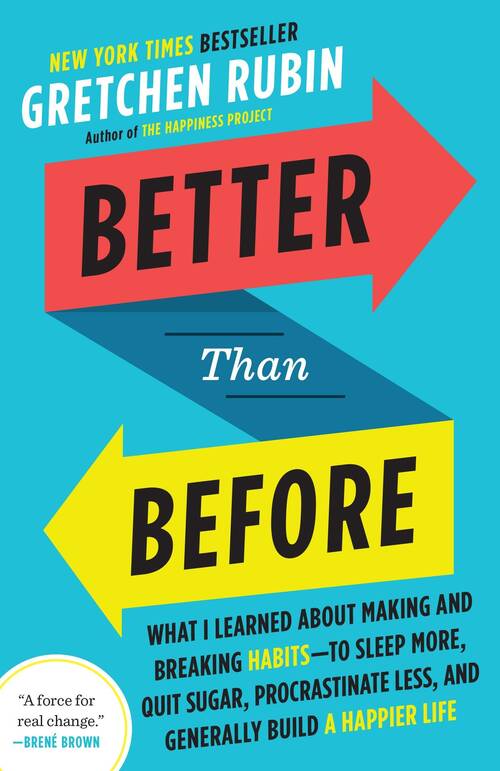
  • Better than Before by Gretchen Rubin

Gretchen Rubin’s book’s my absolute favorite among the three, however.

Because when talking about how to change/improve/ditch your habits, she writes through the lens of 4 distinct personality types. These are Obliger, Upholder, Questioner, Rebel. (She calls them tendencies, and has written a book on them as well.)

According to the book Better than Before, a Questioner meets inner expectations, not outer ones.

A rebel resists both inner and outer expectations. They live for freedom, and they want to make their own choices.

I’m a Rebel with Questioner tendencies. This mean you need to tell me the why of things. I also tend to question rules and routines set by other people, and sometimes even myself.

So keeping my personality type in mind, consider the ubiquitous writing advice of “get an accountability partner.”

Remember, I resist outer expectations. And I tend to resist inner ones too.

What are the odds my productivity will hit the roof when I get an accountability buddy?

I don’t care that you see my progress or not. I don’t really care that I told you I would write 1000 words that day, but I couldn’t for some reason. I care that I didn’t write efficiently, not that I told you about it.

I work best (and I am at my happiness) when I keep my promises to myself.

On the other hand, let’s take Obliger and Upholder.

Upholder meets both inner and outer expectations. Obliger meets outer expectations but resists inner ones. If you are an Obliger, an accountability partner might work wonders in helping you achieve your writing goals!

And this is why you need to keep your personality in mind when you are thinking about which advice to follow and why.

This will also enlighten you about why certain tips didn’t work for you.

Your success depends on it.

b. Taste.

For a while, I didn’t think I could write a novel. My father’s library mostly consisted of literary authors in love with their own voice and narrative abilities. You know the kind with many awards and regarded as national treasures who describe a tree for 10 pages… just because?

Luckily, I later discovered genre fiction in middle school. I found that I am a plot person. Someone who loves to read/write stuff where authors don’t shove down irrelevant details down my throat.

Same goes with travel writing. I thought I could never write a travel piece because many of the travel pieces I stumbled upon read like pages from literary novels. Full of sensory details woven in a way I don’t like to read, because I don’t see/notice those things.

I will notice and comment on how gorgeous a flower is. I’m not going to write a love poem for it.

You get the idea.

This doesn’t mean that kind of writing is bad. It just means it’s not my style. It’s not who I am.

And just like your personality and taste play a big part in what kind of writing path you forge, it should also dictate who you should learn from.

I mean the relevant stuff, of course.

Just because I’m a glam metal fan doesn’t mean I can’t learn from a writer who is into classical music. 🙂 But it does mean I probably won’t be listening to classical music to get in the mood when I write.

Charles Duhigg’s The Power of Habit provides a great background on the science and research of habits in a fun way. It also features true stories of people who changed their habits for the better.

James Clear’s Atomic Habits is ground-breaking as it shows how tiny changes in behavior lead to significant results in the long run. He also has an inspiring blog and email newsletter.

But if you’ve always wanted to change, read book after book and still failed to see tips that work for you, I recommend starting with Gretchen Rubin’s.

And remember, if you learn how to improve yourself in one area based on who you are, you can do it in all areas.

Your future writer self will thank you for it.

-The Time(liness) of the Advice 

Watch out for when the writer gave the advice.

Some tips are evergreen. It doesn’t matter if the writer said it today, 5 years ago, 10 years ago, or all the way back in 1892.

For instance:

“To become a good writer, you need to read.”

This has been and will always be true.

or

“Keep something that you can save your ideas in/with at all times.”

It doesn’t matter if it’s a pen and paper or your smartphone. But you don’t want to lose precious ideas.

On the other hand, when we are talking about trends and what works now, it’s wise to check if the same tips are still working.

*

There you go. Four areas to watch out for when you are taking writing advice and investing in educational material.

How do you decide on which writing advice to follow?


Filed Under: Career Management for Writers, Writing Tagged With: better than before gretchen rubin, how to know which writing advice to follow, writing advice, writing tips

Newsletter Writing 101: The Dos and Don’ts

Posted on November 8, 2018 Written by Pinar Tarhan

Brace yourselves, a long post is coming.

Fear not, though, this is all useful stuff. Ready? Superb!

Raise your hand if your inbox is crammed to the brim with newsletters you haven’t had time to open yet. You have every intention of checking them out. After all, you are fans of the writers, bloggers, and entrepreneurs who put them out.

You know most of them offer invaluable advice. Some are genuinely funny to boot. The problem? There isn’t enough time. So you hit delete if you are feeling pressed for time, or you’ve lost your will to work (or do anything) after you have seen your inbox always has hundreds of unread messages, and this is not even your work email. Your friends don’t email you. This is all newsletters. Aargh!!!

Right. What was that thing on the top of your to-do list?

“Write newsletter. Send it to email subscribers.”

Oops! How do you stand out, get read, and keep the subscribers when you yourself can’t keep up with the newsletters you wanted to receive?

Don’t despair. It is less art and science, but more empathy and trial/error. Oh, and our dear friend common sense.

I’m assuming you already have decided on an autoresponder, but if you haven’t, I recommend ConvertKit. (Yes, this is an affiliate link.)

I use ConvertKit for this blog. It is fairly easy to use and costs $29/month for 0-1000 subscribers.

Now to the essential dos and don’ts:

Don’t write an epic!

While you might occasionally need to write a very long newsletter issue, you shouldn’t do it every single time. It is not just about attention spans; people have work to do.

Do think twice before promoting a product.

Before sending a glowing recommendation on this amazing bundle/course/book/webinar/whatever, ask yourself this question: How hot is this product?

I’m not asking you if you trust the product. I believe you do. Otherwise, you’d not be encouraging your audience to check it out.

But I can’t tell you how many times I’m recommended the same product. The first person to send the newsletter is the luckiest. I get curious, check out what is all about, and if it is of interest, I subscribe/purchase/etc. The second person gets a nod from me, but I delete the email quickly. Boredom is slowly kicking in. Because I know I’m about to get more emails promoting the same thing.

The third person? It’s already annoying. So if you have gotten the recommendation email from another blogger, maybe don’t send it to your subscribers. Send something else instead.

Look, I get it. It is your income we are talking about. You are thinking about potential purchases. Or you are thinking about how impressed your affiliate partner will be when you send many new potential customers and fans their way.

Never forget, however, that your most important relationship is the one with your own subscribers. You don’t want to annoy them.

Think about your timing. If it has been recommended it to you, if you aren’t one of the first people the creator notified about it, people have already gotten the promotional email.

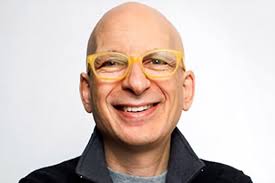
Do occasionally do a Seth Godin.

seth godin
Seth Godin. Image via entrepreneur.com

If you have something meaningful to say and you can say it in a few words, do it. It is all the rage nowadays to send long, long text. Change it up when it comes to length. Your subscribers will thank you for it.

Marketing master Seth Godin excels at the short stuff. Okay, admittedly he is great at longer stuff too, but you get the point.

Don’t send them too often.

I unsubscribe from a lot of newsletters because I can’t keep up with the sender’s frequent messages.

It is commendable that you want to educate and entertain your audience frequently. You might be thinking “I’m not even promoting anything! This is just valuable information!”

Great, but we all have Google. What I mean is, as much as we might be dying to become experts on any given topic, we don’t want to stay married to our inboxes. I strive to save as many excellent newsletter issues as I can, but occasionally I’ll just say, “Sod it!” and start deleting everything to get to Inbox 0.

And gasp!, I might even unsubscribe. The good news is, if you are so productive that you’re flooding my inbox daily, I already know your name. I will even occasionally remember to check out your blog. The bad news is, you’ve still lost a subscriber.

Don’t be that person.

Do offer your subscribers options.

Some sayings are cliché because they are true: You can’t please everyone. Even people who enjoy your blog enjoy it for different posts and reasons. So it’s wise to check in with your subscribers every once in a while and asks them what kind of news, topics, and frequency they are interested in. It is more work on your part, but I assure you, it is worth it.

Don’t send them too infrequently.

I have to admit this is one of the sins I commit. I tend to send a newsletter once a month or less. This bullet point is a reminder to both me and you to remind your audience of your existence more often.

Once a week or at least once in two weeks is fine – unless your audience notified you otherwise.

Do write an engaging subject line.

We all know subject lines matter at this point. However, writing a captivating one is easier said than done. If you don’t want to spend too much time obsessing over this (and you shouldn’t), at least try to capture the essence of what it is about.

Don’t be a drama queen with your subject lines or the content itself.

This point might seem like it contradicts with the previous one, but it doesn’t.

When we study marketing, we are encouraged to be personal. To determine an urgent need/want of our target audience and to capture their ever-fleeting attention. But when you overdo it, you can end up losing people.

What do I mean by not using too much drama?

I literally just deleted this email from a publication I like and subscribe to without opening it. The subject line said: “You Will Wonder How You Ever Lived Without These Tips and Tricks.”

No, I won’t. I don’t think you have found the holy grail of tips and tricks (and congrats on not even telling me what they are about, by the way!), and there is much doubt on my part that a subject line like that can deliver on its promise.

While I advise being specific, you might hurt your chances if you are too specific, or if you appear condescending.

For instance, let’s say you are launching a product or service that promises to help your audience increase their income level from a certain point. That’s awesome!

But how do you frame that certain point without pissing off the audience that is at or below that income level and find that interval not disappointing or low at all?

Saying “Want to make …. $ more a month?” can yield better results than “Ever grow tired of making just …. $?”

It doesn’t matter if you deliver on your promise and every client you worked with succeeded through your advice. You don’t want to make your readers feel less than.

Don’t use emojis.

This might be me giving away my age, but we are all adults here. Do emojis really belong in the newsletter? Let me know if it is my own personal pet peeve.

I’m in my 30s, and I have seen the times when emojis didn’t exist. Of course, I might be wrong, but I’m willing to bet I’m not the only annoyed by this.

It is okay – even recommended – to use images and a fun, friendly language in your newsletters. Even emojis, depending on your personal style and subject matter. But use caution when dropping emojis in subject lines.

Do balance the promotional with the informative.

We all have something to promote, even if we aren’t selling anything. Otherwise, we wouldn’t need a newsletter.

You might just want to be heard. You are still promoting your ideas. And that is fine.

Writing is meant to be read and shared. Ideas are meant to be spread and talked about.

And it is more than okay – expected even – for you to be selling something. You need to make a living. And what better way to make money than by helping others achieve something?

So your readers are ready for – and mostly fine with – emails that want to sell them something. Still, you don’t want to do that with every email, or even every two emails.

Balance them. It is best if even your promotional stuff is filled with freebies, helpful links (that go to free-to-read articles and resources), and a ton of practical information.

Do pay attention to your formatting.

Technology pisses off even the more experienced or patient of us. Formatting can get awry even though you didn’t do anything wrong or different. The best thing you can do is to preview the email you are planning on sending, and then send it to only yourself to check how it looks before everyone on your list receives it.

That said, the same format might look different on Hotmail vs. Gmail vs. Yahoo, so there is only so much you can do.

Still, for peace of mind, I recommend previewing and sending it to yourself.  And if a subscriber alerts you to an issue, you can take a look then.

Do include images and links when you can.

I touched upon this in a previous bullet point, but it deserves its own. It’s tempting to send someone all text. Some readers might even prefer it that way. But most people are not happy without much white space to wake them up. You don’t want an active subscriber, someone who bothered to open your message, to get lost in all the writing.

So spice it up. Make it visually appealing. Links and images mean you have gone the extra mile. Your readers will appreciate it.

Do lure them in, but deliver in the whole post as well.

I talked about enthralling your audience with a subject line that will attract their attention. Now, your newsletter has to deliver. Don’t just work on getting opened; work on being read fully.

Do send them freebies and promotional codes.

Have you created a freebie resource yourself? Did someone you admire craft one? Let your audience know. Is the hosting company you are using offering a discount? Is your autoresponder running a sale? They should know.

If people need that service, they will take you up on it. The one thing you need to do is let the audience know if you are getting paid for the recommendation. 

Do share your favorite resources.

What are you reading? What courses are you taking? What blogs are forever bookmarked on your computer? Share these with your readers.

If links are applicable, use them so you will save your readers time. They appreciate people who make their life easier.

Do disclose affiliate relationships.

This is worth repeating. If you are getting paid, just noting “aff. link” next to the whatever you are linking to will suffice.

Do choose a reliable autoresponder.

There are free options out there. You can also opt for a different autoresponder later down the line and migrate your existing subscribers. Just read the features of the service you are interested in.

  • How much does it cost?
  • Do they offer a free trial?
  • Do they allow affiliate links in emails?

and so on.

Do a bit of reading. I’ve used TinyLetter (free) before for this blog. I later converted to (pun intended!) ConvertKit (aff. link), and for my travel blog, I’m currently experimenting with MailerLite (which is free for 1000 subscribers) on my travel blog.

Do brainstorm ideas with friends and colleagues.

Don’t know what to put in your newsletters? Brainstorm with writer friends. Also take a look at what your fellow writers are putting in theirs.

For instance, my good friend Olga Mecking invented a sort of national newsletter writing month where she is sending her subscribers a newsletter every day for November.

Yes, I told you not to flood people’s inboxes, but this is a special, themed occasion inspired by NaNoWriMo, and will only last a month. And people know what they are in for when they sign up.

*

Now that you’ve armed yourself with information on how to rock your newsletter, get to work on applying these babies.

Filed Under: Blogging, Marketing, Writing Tagged With: how to write a newsletter, how to write an effective newsletter, newsletter writing tips, newsletters, writing a newsletter

Should You Get a Day Job Until You Make a Full-Time Living from Your Writing?

Posted on August 30, 2018 Written by Pinar Tarhan

Every once in a while, I will catch a TV series or a movie where I’ll envy the full-time jobs and careers of the characters: The offices, perks, comradery, co-workers, the regular salary, insurance, potential for office romance no matter how tricky… And I’ll be a bit sad remembering that it is probably not going to happen for me, and that is my choice.

Then I’ll also read a semi-joking tweet or sometimes even an entire essay on the harsh realities of the gig economy and will feel like crying.

Because no matter how you look at it, making a living with your writing is hard work. Making a decent, regular, and stable income with your writing is much harder.

If you are just starting out, you might be thinking “You get to work in your PJs and vacation whenever the hell you want. How are you even complaining about the hard work?”

I’m not complaining about that. Working hard is not the problem.

We love writing. Otherwise, no one in their right mind would choose to become a writer. But just because we love writing, it doesn’t mean we love writing about anything and everything. It doesn’t mean we will be good at the other parts of the job such as editing, pitching, and marketing.

Being a freelance writer often comes with a challenge: Either you take on jobs writing about subjects you don’t care about so that you will have the occasional freedom to write about the things you do love, or you write about the things you do love and have the occasional freedom to buy the things you need and want.

So we find ways to diversify our income. We take full-time, part-time or freelance jobs that might or might not be writing-related. We write books, launch blogs, create courses, learn affiliate marketing, coach, consult, and study whenever we can to improve ourselves further.

While I love the freedom of being my own boss, I struggle with all the “jobs” I have to perform to keep my dream career going. I write, edit, pitch, market, read, research, answer calls and emails, and find story ideas.

Finding story ideas often means I have to socialize, which can be hard to find the time for with so many balls I’m juggling. And I shall not spend too much money on my social life because I have to save for my future – namely retirement and a damn good insurance because life is unpredictable.

And because we are busy writing and doing all the time, we risk burning out –which makes vacations crucial to our survival. Which brings us back to money.

Not to mention, when you get sick, the whole company shuts down. Because YOU ARE THE COMPANY.

So should you get a day job while you start earning a good income from your writing? It depends.

It depends on your goals, needs, responsibilities, and health.

  • Are you an extrovert who thrives more when she regularly comes into contact with people?
  • Do you need a stable paycheck for certain expenses?
  • Are you responsible for looking after people other than yourself?
  • Are you more comfortable and creative with a safety net?

Then you might consider supporting yourself with non-freelance work.

Now, there are many freelance writers who earn a lot of money from their work every month. To get there, you need to be more strategic when it comes to identifying your prospective clients and niches. You need to pitch regularly and according to a plan. You need to market yourself where your prospective clients are.

Yes, it can be done.

But if you are more into working for yourself, calling the shots and writing about things that excite you, things get a bit more complicated. It can still be done. It will, however, likely cause more frustration and anxiety in the process.

I’m sorry to say there is no one-size-fits-all sort of answer to this complex situation. You know you better than anyone. It is up to you to weigh the pros and cons.

As for me, a part-time job at an office where the culture appeals to my personality sounds like an amazing idea. Unfortunately, I haven’t yet seen such an office in real life. Yet.

Let’s discuss how you make a living writing in the comments.


Related Posts Plugin for WordPress, Blogger...

Filed Under: Career Management for Writers Tagged With: freelance writing, freelancing, make a living writing, make money writing, writers, writing life

  • « Previous Page
  • 1
  • 2
  • 3
  • 4
  • …
  • 9
  • Next Page »

Blogroll

  • My Entertainment Blog

My Other Blogs

  • Beauty, Fitness & Style for the Fun-Loving Gal
  • Dating & Relationships in the 21st Century

Categories

  • Author Interviews
  • Author news and coverage
  • Blogging
  • Book Launches and Excerpts
  • Book News and Author Interviews
  • Book Recommendations
  • Book Reviews
  • Career Management for Writers
  • E-Book Reviews
  • Fiction Writing
  • Fictional Writers: Writer Characters in Movies, TV Series and Books
  • Inspiration and Motivation
  • Marketing
  • Marketing Fiction
  • Movie and TV Series Recommendations
  • Novel Reviews
  • Paying Markets-Web and Print
  • Productivity & Time Management
  • Recommended Resources
  • Reviews for Tools and Devices
  • Romance
  • screenwriting
  • Self-publishing
  • Story Conflicts
  • Website & Blog Reviews
  • Writer Tools
  • Writing
  • Writing Tools
  • Writing Updates

Copyright © 2026 · Focus Pro Theme on Genesis Framework · WordPress · Log in

This website uses cookies to improve your experience. We'll assume you're ok with this, but you can opt-out if you wish.Accept Reject Read More
Privacy & Cookies Policy

Privacy Overview

This website uses cookies to improve your experience while you navigate through the website. Out of these, the cookies that are categorized as necessary are stored on your browser as they are essential for the working of basic functionalities of the website. We also use third-party cookies that help us analyze and understand how you use this website. These cookies will be stored in your browser only with your consent. You also have the option to opt-out of these cookies. But opting out of some of these cookies may affect your browsing experience.
Necessary
Always Enabled
Necessary cookies are absolutely essential for the website to function properly. This category only includes cookies that ensures basic functionalities and security features of the website. These cookies do not store any personal information.
Non-necessary
Any cookies that may not be particularly necessary for the website to function and is used specifically to collect user personal data via analytics, ads, other embedded contents are termed as non-necessary cookies. It is mandatory to procure user consent prior to running these cookies on your website.
SAVE & ACCEPT