Addicted to Writing

Manage Your Freelance Writing Career While Writing What You Love

  • About Pinar Tarhan
  • Blog
  • Books
  • Hire Me: Services
  • Contact Me
  • Portfolio
  • Favorite Resources
  • Newsletter

Review for Niksen: Embracing the Dutch Art of Doing Nothing by Olga Mecking

Posted on January 21, 2021 Written by Pinar Tarhan

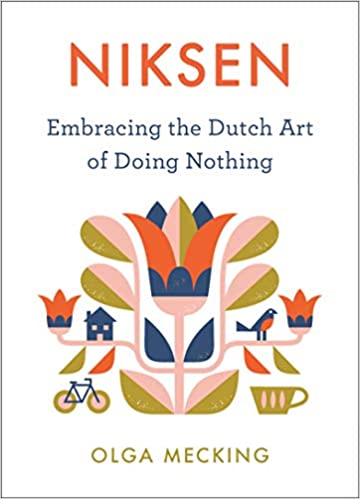
US cover edition for Niksen: Embracing the Dutch Art of Doing Nothing by Olga Mecking.

I’ve just finished reading Olga Mecking’s wonderfully entertaining, educational, and relaxing book Niksen: Embracing the Dutch Art of Doing Nothing (aff. link). Worry not, I’ll explain in my review how this book is all that and why.

But before I get to what the book is about and my review, let me tell you a bit about Olga and the wonderful concept of niksen.

Olga Mecking & Niksen
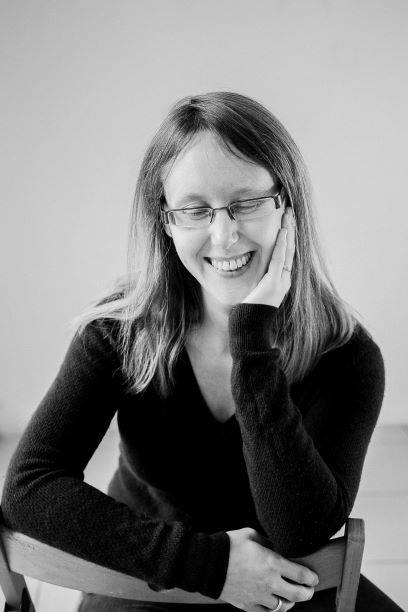
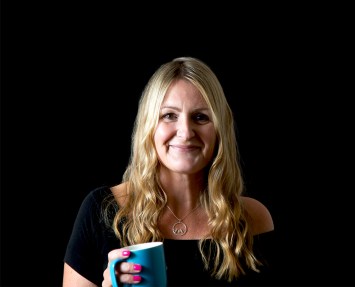
Olga Mecking.

Olga Mecking is a Polish journalist, freelance writer, author, and novelist. She’s been living in The Netherlands for 11 years, and she has experienced the culture firsthand. She first wrote about the concept of Niksen for Woolly magazine, but it was her essay for The New York Times’ Smarter Living section that really kicked things off. For more about how the book came to be and how Olga nikses herself, you can read my interview with her.

Niksen is basically doing nothing for the sake of doing nothing. Yes, it is enjoyable and recharges you. And it is a beautiful way to find inspiration and peace of mind in these hectic times.

The Book: Niksen isn’t your average wellness book
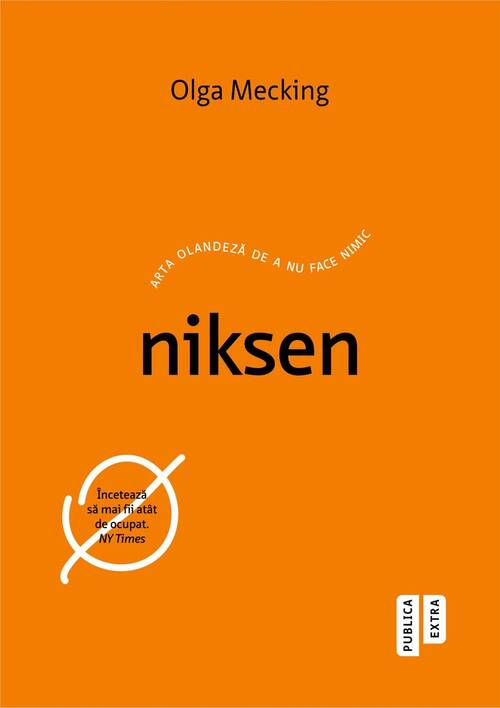
Romanian cover of Niksen. 🙂

For one thing, Olga isn’t fond of wellness trends, especially if they preach their methods work for everyone – when their instructions followed to a t. She finds that these kinds of trends and books cause more stress because they don’t consider your personal circumstances and the culture you live in.

I’m glad Olga takes into account why and when niksen might be good for you, and when you probably shouldn’t attempt or force it.

She talks to many experts in her book, including business psychologists and other authors. One of my favorite experts featured is Gretchen Rubin. Rubin’s book on habits (aff. link) is a life-changer because she views everything through a personality lens, making changing easier and probable.

Back to the book Niksen: Embracing the Dutch Art of Doing Nothing

What the book covers

– What Niksen is,

– Why we should consider practicing it,

– When and how we might implement it into our lives,

– How other cultures have embraced Niksen,

– Potential roadblocks,

– How she experiences it herself,

and more.

Niksen: Embracing the Dutch Art of Doing Nothing is a fast read. And it’s also not.

It’s easy to read this book (aff. link) fast. Olga’s conversational and friendly style can have you devouring it in one cozy setting. But I resisted the urge.

Whenever, there was a cultural, personal, or professional reflection on how much and how we niks, I stopped and thought about my relationship with niksen.

While I am notoriously bad at niksing on a couch, especially if there are electronics or books or notebooks around, I have my own ways. Olga mentions this in the book:

I love going to coffee shops (when there is no pandemic, of course) and working on whatever project there. My favorite shops tend to provide the best atmosphere for niksen: comfortable seating, great (but not-too-loud) music, and a gorgeous view. So, every once in a while, I mentally get lost with my coffee in my hand. It doesn’t take too long before I feel the urge to write something down, but I do it.

I also find it hard to get up in the mornings. Because I don’t usually have to be up by a certain hour, I take my time. I am awake, but I don’t rush. I literally do nothing. My eyes can be open or closed. I just enjoy the moments before another hectic day starts.

As I read the book, I consciously tried to add more niksen to my week.

The benefits appeal to me. I like it when I engage in it. Yet, the concept can sometimes scare me. I was a hyperactive child, and as an anxious/busy adult with a hyperactive mind, I worry I should be doing something. Something worthwhile.

But I am trying to recover from that train of thought. There is a reason a lot of creative ideas (in addition to relaxation) find us in the shower.

I read the book slowly but surely, true to the spirit of niksen.
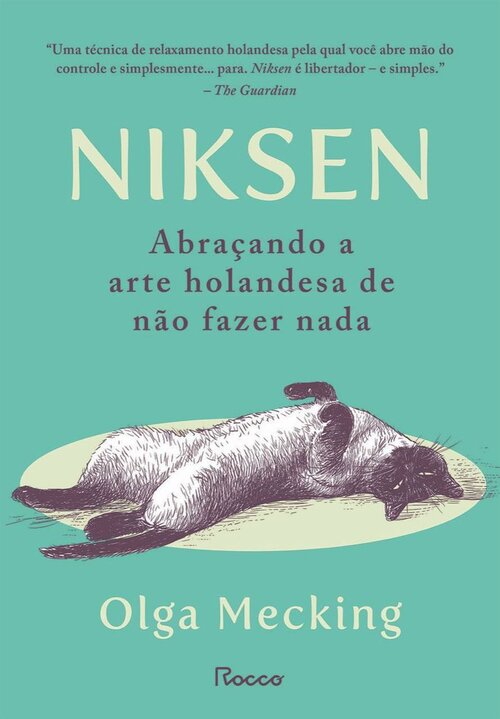
This cover is for Brazil.

Recommended for:

I recommend reading Niksen: Embracing the Dutch Art of Doing Nothing to curious minds, anxious professionals, restless souls, and anyone who thinks they need to slow down a bit.

If you find yourself constantly wishing for more time, especially more time to wind down, you should read this book.

Reading it has a soothing effect. It will also show you that you are not alone.

Another thing I love about this book is that it doesn’t claim to be a be-all-end-all for wellness. In fact, both the writer and the book are highly skeptical of trends and one-size-fits-all advice. Olga even features a section detailing who shouldn’t be niksing and why.

As someone who hates standardized advice, this makes the book even more my cup of tea.

Who shouldn’t read Niksen?

I honestly can’t think of many people. But if you are extremely happy with your life, have time management skills and productivity levels you are proud of, and you couldn’t care less about a concept that is about doing nothing on purpose, then you probably shouldn’t read it.

Rest of the world? Give it a shot.
Filed Under: Book Reviews Tagged With: Embracing the Dutch Art of Doing Nothing, niksen, niksen book review, niksen embracing the art of doing nothing book review, olga mecking, what is niksen

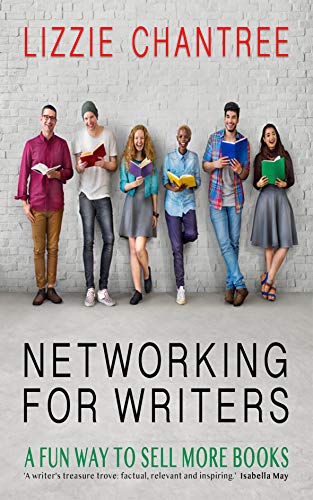
Book Review: Lizzie Chantree’s Networking For Writers

Posted on January 16, 2021 Written by Pinar Tarhan

About Lizzie Chantree

Lizzie Chantree
Lizzie Chantree. Image via lizziechantree.com/about.

Lizzie Chantree is a successful entrepreneur and bestselling romance author who frequently features women entrepreneurs as her protagonists in her novels. You can check out her website and Amazon Author page for more information.

.

What Networking For Writers teaches you:

– Making the best of networking events and learning materials such as workshops and courses,

-Importance of networks and how to take advantage of networking events

– How to engage on social media,

– Networking online via social networks and through video,

– How to use Facebook, Twitter, Pinterest, Instagram, and LinkedIn to build your author brand and engage with both your readers and fellow authors – which includes consistency with your posts when it comes to your genre and writing style/and when/what (not) to post,

– How to get your audience to want to connect with you,

– How to schedule posts,

-Time management regarding social media,

– Branding: Advice on what to pay for and how to find people you will want to work with, how to get it done more cheaply or freely,

– Tips to make and keep marketing simple: checklists, content tips, engaging with followers, tracking spending and more,

– How to see what has worked/what hasn’t,

– Promotions while keeping in mind what the end goal is (More sales? Better ranking? Newsletter visibility?),

– Giveaways,

– Encouraging reader magnets,

-Facebook book hops (what it is/how it works),

– Other promotional ideas and new ways of marketing (or ways that you probably have heard of but not tried yet),

– Importance of pushing yourself out of your comfort zones,

– Organizing your own creative events,

– Whether selling many copies of your books at events actually matters,

-Figuring out your skills and ideal customers,

– Importance of collaboration,

– Dealing with procrastination,

– Looking out for networking opportunities/relevant organizations for writers,

– List of resources the author personally uses,

and much more.

Review for Networking for Writers: A fun way to sell more books.

Most of the tips from Networking for Writers (aff. link) are doable and affordable, regardless of your personality, budget, and whatever crisis the world is going through.

I’ve been writing for a while. And I have also been collecting marketing tips for a long time. I still learned a lot from this book. I recommend reading it with a notebook and pen in hand. I’d also read it several times – if not the book in its entirety, then the parts that are new to you and the parts you kind of know but don’t implement consistently.

Her book Networking For Writers (aff. link) is a comprehensive gem that has something to offer you, no matter where you are in your marketing and networking journey.

Recommended, from beginner to advanced, to any author who wants to be more memorable, make more sales, and have a larger network.

Basically, if you’re not in the ranks of Stephen King, you will find it useful.

***

Have you read Networking For Writers? What are your favorite books on marketing and networking for writers?


Filed Under: E-Book Reviews, Recommended Resources Tagged With: lizzie chantree, lizzie chantree networking for writers, lizzie chantree networking for writers book review, networking for writers book review

How to Write a Memorable and Non-Tragic Romance (And a Free Book Chapter!)

Posted on August 10, 2020 Written by Pinar Tarhan

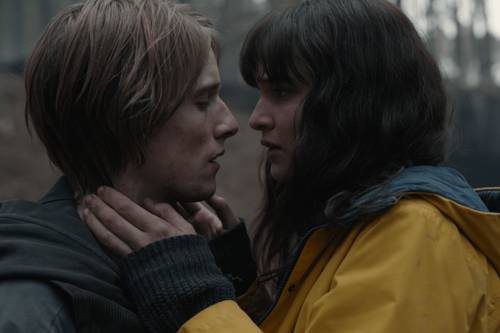
Jonas and Martha Dark
You haven’t seen star-crossed until you have seen Jonas and Martha from Dark. Image via FilmLoverss.

Have you seen the TV series Dark? Dark is a highly fascinating and addictive German mystery series that revolves around time travel and whether it is all a big repetitive loop.

Obviously, it is so much more than that, but there are so many brilliantly woven storylines and interacting complex characters that saying any more could result in a spoiler.

Give it a shot.

So what does have Dark have to do with romance? In addition to having some intense and shocking romantic storylines itself, the “loops” and how certain things repeat themselves reminded me of how a lot of people write romance stories, especially tragic romances.

Loops can be understood, loved, appreciated or expected with science-fiction. (Not that Dark is predictable.) But with romance?

Now, being predictable and repetitive aren’t bad in and among themselves.

As a huge fan of romantic comedy, I am quite fond of happy endings, original meet cutes, and the “two strangers have to spend time together in the most unexpected/unorthodox ways” situations.

You almost always know where certain things are going, and you welcome it.

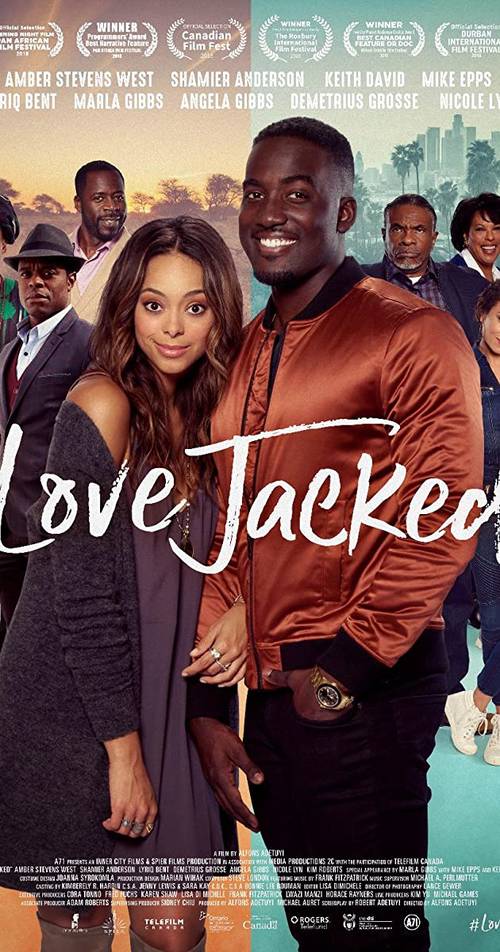
Love Jacked image via Imdb.com

In the adorable 2018 romcom Love Jacked, Maya falls in love with a South African man and gets engaged. But when he cheats on her, she has to pretend pool hustler Malcolm is her fiancé to save face from her critical father. But now Canadian Malcolm has to pretend he is South African and sell it to the African culture obsessed uncle of the family…

Yes, we all know what will happen to Malcolm and Maya. Imagine how disappointed we would be if the movie ended like,

“Thanks for your help. See you never.”

“Yeah, sure thing. Best of luck in your life.”

Yikes.

Or, you know, if Maya learned she had a tumor and six months to live.

Exactly.

We love romcoms because they tend to be funny, uplifting, hopeful, and romantic. And there is a lot the writer can play with while bringing freshness as the characters grow more attracted to each other.

You can do the same with romantic dramas, while of course the comedy will be gone or diminished.

But sometimes, the writer seems more interested in making the audience cry or making their story more memorable by making it tragic that the story no longer feels authentic. The journey of the characters and the conflicts they face feel forced.

Or they just seem like you saw it a million times before, and not in a way that you enjoy.

Familiarity is a good thing as long as it is welcome.

Let’s combine certain elements and you tell me if you are bored yet.

Boy and girl meet. Fireworks. But one of them is reluctant to start something because – drumroll! – they have cancer. Eventually, the sick character will get over their fears. These two will be together until death tears them apart. But, oh, the surviving one will have grown and will carry the memories.

Do you want to read or watch this story?

Probably not. Not unless I create two very compelling characters, come up with highly unlikely but exciting scenarios for their dates and encounters and their reactions, and whip up witty dialogue.

Then, if I’m making a film, cast two of your favorite actors. Shoot gorgeous cinematography. Get a skilled director. Invest in an amazing soundtrack.

And… cross my fingers.

Because how many times have you seen this story?

Look, I get it. Cancer is real. It is a horrible disease. It is hard to run into anyone who hasn’t experienced it, either themselves or through a loved one. My grandfather died of cancer.

So, I know.

But just because something is common in real life, it doesn’t have to dominate your writing – especially if it isn’t a way for you to deal with your own condition or the condition of someone you love.

If you or a loved one suffered from it, then by all means, write whatever you need to feel better. Get it out of your system. Put it out there, and help others who have gone through similar experiences.

But that is not the story I’m helping you with right now.

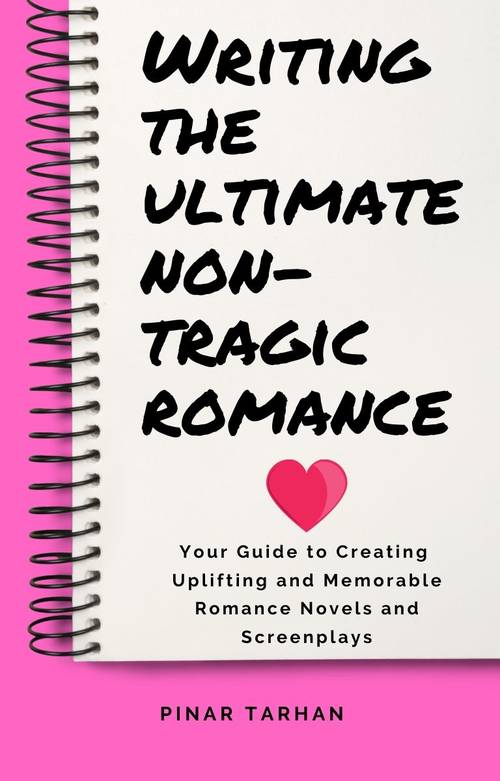
Right now, with this post and my book Writing The Ultimate Non-Tragic Romance, I’m targeting writers and readers who prioritize entertainment and escapism over depressing realism.

I love a happy story, and a happy ending, don’t you?

I love falling in love with the romance in front of me and living vicariously through these characters.

And I love helping my readers do the same.

Make your audience smile. Make them laugh. Make them fall in love, and celebrate the happy ending on the page or on the screen.

Art doesn’t always have to imitate life. And even life itself isn’t always depressing or disappointing.

Sometimes, life is just amazing!

So I took a bunch of my favorite romantic movies, analyzed what worked and why, and I created a guidebook on how to create a happy romantic story people will remember.

I wrote about films instead of books because it will be easier for you to remember the film’s plot points if you have already seen it (and get a refresher through the trailer) or just take 90 minutes to watch it.

And while I recommend you to read as well as watch romances, a lot of the romantic movies I picked are based on books. So you can do both. And you can see that the story has appealed to people on different media.

Can you ever not create a sick character in a happy romance, or at least a happy-ending romance?

You can.

Instead of killing off the character, you can write about the journey of their recovery or a happy-for-now ending. I included such examples in the book.

You can also research and find lesser-known (but still real) diseases and inform people of something they might not have otherwise heard about and do some good public service while you are at it.

At this point, I’m honestly pleasantly surprised when a character is sick, and it is not cancer or Alzheimer’s.

You can also not kill your characters for a nice change, even if it is a drama.

If you want to make your audience cry, you can still do it without killing people. Life is full of ups and downs.

So what does Writing the Ultimate Non-Tragic Romance cover? Including but not limited to:

  • My favorite romantic comedies (well, some of them. It is only one book) and what makes them work/memorable,
  • My favorite romantic dramas with happy endings (ditto) and what makes them work/memorable,
  • Mixing other genres with your romance – genres like mystery, horror, action, adventure, sc-fi, or fantasy,
  • Turkish romantic comedies and dramas (because I’m Turkish, and it is fun to go outside of Hollywood sometimes),
  • Exceptions – when unhappy endings and dead characters work, aka when your audience will forgive you for them,
  • Romance book suggestions (because you still have to read!)
  • Overused tropes,
  • Realism vs. escapism: Just how realistic do you need to be? And if some of the most common complaints about fictional characters are justified,
  • Real life ethics vs. fictional story worlds: What characters can or should get away that we wouldn’t condone in real life,
  • Help with writer’s block and overwhelm,
  • What you should do in addition to writing.

*

The book is 2.99, but you can read it for free if you are a Kindle Unlimited member. I’m currently working on creating different formats.

Want a free chapter? Subscribe below to read Chapter 4: Romantic Dramas with Happy Endings.

Filed Under: Fiction Writing, Recommended Resources, Writing Tagged With: dark tv series, how to write a happy romance, how to write romance, love jacked, romance writing tips, writing romance

How to Write An Amazing Romance Novel: New Book Release

Posted on February 13, 2019 Written by Pinar Tarhan

Romance has always been one of my favorite genres in writing. My screenplays include romantic main or subplots, and last year, I released my romance novel Making A Difference (M.A.D.) on Amazon!

After asking romance writing friends (and friends who want to write romance novels) what they would want to find in such a resource book, as well as what I wish I had as a resource before I wrote my own novel, I created an e-book that I hope you will find practical, informative, and entertaining.

The book takes you from the basics of marketing (because it is never too early to start!) to how to find and refine your idea, from testing the idea to making various vital decisions about your story to finishing (and polishing) your novel. It also offers introductory insight into the world of editing and publishing.

I analyzed my own novel in detail to help you start your journey inspired and clear-headed, but I also included several examples from other successful writers on how they found their ideas.

Additionally, I included resources that you might need in all areas covered in the book. You can buy How to Write an Amazing Romance Novel on Amazon.

Happy writing, fellow romantics!

Below is the table of contents to see what awaits you:

How to Write An Amazing Romance Novel TOC

Intro: Why I Write Romance           

  1. On Marketing and Platform
  1. Finding the Idea: 6 Ways to Find and Develop Your Romance Idea
  1. How to Check if Your Idea is Viable (through characters, flaws, and conflict)
  1. Writer Fear to Address: What if I can’t write a novel-length story?
  1. Decisions, decisions…: Audience, POVs, diverse characters, sex and beyond

– Writing for the market or writing for yourself?

– Naming your book: the title

– The main audience divide: Adult or YA?

– Sub-genres: Sub-genres available to you

– POVs

– Characters

– Sex and swearing

– Writing diverse characters

– Word count

– Writing a series

– Writing supernatural characters

– Writing about what you don’t know

– What about that pen name?

– Clichés and cheese level

– Themes and messages

– Three main types of endings

  1. Outlining
  1. Tools You Might Need
  1. Actually Writing: Sitting Down to Write

– Beginning: When to start your story

– Opening lines

– How do you know if your writing is any good?

– Active vs. passive

– Adverbs

– A word on the verb “say”

– Writing dialogue

– Show vs. tell

– What if you hate what you write?

– Should you mention how hot your characters are?

  1. Saving Your Work
  1. Writer’s Block and Motivation
  1. Taking a Look at the Finished Product: How do you know if your writing is any good?
  1. Editing: An Introduction
  1. 3 Possible Paths to Publication: Indie, Traditional or Hybrid
  1. Favorite Romances and Romance Writers

Conclusion

About the Author 

Useful Resources

 *

Related Posts Plugin for WordPress, Blogger...

Filed Under: Inspiration and Motivation, Recommended Resources, Writing Tagged With: how to write a romance novel, how to write romance, romance writing tips, writing a romance novel, writing romance

  • 1
  • 2
  • 3
  • …
  • 10
  • Next Page »

Blogroll

  • My Entertainment Blog

My Other Blogs

  • Beauty, Fitness & Style for the Fun-Loving Gal
  • Dating & Relationships in the 21st Century

Categories

  • Author Interviews
  • Author news and coverage
  • Blogging
  • Book Launches and Excerpts
  • Book News and Author Interviews
  • Book Recommendations
  • Book Reviews
  • Career Management for Writers
  • E-Book Reviews
  • Fiction Writing
  • Fictional Writers: Writer Characters in Movies, TV Series and Books
  • Inspiration and Motivation
  • Marketing
  • Marketing Fiction
  • Movie and TV Series Recommendations
  • Novel Reviews
  • Paying Markets-Web and Print
  • Productivity & Time Management
  • Recommended Resources
  • Reviews for Tools and Devices
  • Romance
  • screenwriting
  • Self-publishing
  • Story Conflicts
  • Website & Blog Reviews
  • Writer Tools
  • Writing
  • Writing Tools
  • Writing Updates

Copyright © 2026 · Focus Pro Theme on Genesis Framework · WordPress · Log in

This website uses cookies to improve your experience. We'll assume you're ok with this, but you can opt-out if you wish.Accept Reject Read More
Privacy & Cookies Policy

Privacy Overview

This website uses cookies to improve your experience while you navigate through the website. Out of these, the cookies that are categorized as necessary are stored on your browser as they are essential for the working of basic functionalities of the website. We also use third-party cookies that help us analyze and understand how you use this website. These cookies will be stored in your browser only with your consent. You also have the option to opt-out of these cookies. But opting out of some of these cookies may affect your browsing experience.
Necessary
Always Enabled
Necessary cookies are absolutely essential for the website to function properly. This category only includes cookies that ensures basic functionalities and security features of the website. These cookies do not store any personal information.
Non-necessary
Any cookies that may not be particularly necessary for the website to function and is used specifically to collect user personal data via analytics, ads, other embedded contents are termed as non-necessary cookies. It is mandatory to procure user consent prior to running these cookies on your website.
SAVE & ACCEPT