Addicted to Writing

Manage Your Freelance Writing Career While Writing What You Love

  • About Pinar Tarhan
  • Blog
  • Books
  • Hire Me: Services
  • Contact Me
  • Portfolio
  • Favorite Resources
  • Newsletter

How to Plot & Outline Your Novel Before You Write It

Posted on June 26, 2022 Written by Pinar Tarhan

What’s a plot? And what’s an outline?

Let’s get the definitions out of the way.

Honestly, I keep mixing these up forever, and researching what’s the difference between plot and outline didn’t make me see things much clearer.

But the way I see it, the plot is everything that happens in your story, including the subplots. And I outline to decide and see the order of what happens in the plot.

You can’t have a story without a clear, decent plot.

And the more of you you put in that plot the better so that we get fresh perspectives on things we have seen before.

What’s a plotter, and what’s a pantser?

There are writers who know what will happen in their novel before they start writing said novel (plotters), and there are writers who liked to be surprised as they go along (pantsers).

Then there are those in between.

I’m a plotter, so I’m a big fan of knowing what the hell will happen, to who, and why.

Now, sometimes, I don’t know all of the how. Like I might know a character will meet a romantic interest, and why meeting that interest is crucial to the main plot/theme. But if it is not a part of the main storyline, I might start typing before knowing everything.

But I start writing my novel with at least 70% of the outline/events planned. Some things can change. Some scenes might get edited, expanded or cut, or just plain reordered to make the flow and logic better.

You might argue several valid reasons for not plotting, but nominating your creative spirit, unorganized nature, or just chaotic existence, won’t get me to let you off the hook.

I have all of those things. I’m so messy, my workspace (and living space, if we are being honest) looks like people fought a battle in there.

Yes, I try to clean and organize when I can, but don’t have the lack of skill to make that orderliness last.

As for the inside of my head? It is worse.

My browser always has several different tabs open, and my brain is no different.

However, I love to plot, and I love to outline.

I love knowing (mostly) what will happen before I get down to write the novel.

This prevents quite a few things:

– Writer’s block

– Desperation

– Saggy middles

– Plot holes

– Deux ex machina

– Inconsistent characters

-And many other problems.

It simply makes writing easier.


How to Outline/Plot Your Novel (Like I Do)

Obviously, there is more than one way to plot your novel. Now, outlining and plotting aren’t exactly the same thing, but I’ll use them interchangeably here.

Because at the end: We’ll have the entire story order. We will know what happens, when and why, and even some of the most important things the characters say.

I’m not talking about writing the exact dialogue. Dialog is something that is up for editing till the last minute the way I see it.

But if your character says “I love you” in a romance novel, obviously that is integral to the story. You need to know where that goes.

It’s nearly impossible to have a romance without a big fight, or at least one giant-ass obstacle to keep your couple apart. You need to know what the fight is about and why, and you need to know where that fight goes.

That said…

You can change everything as you write.

You have an active, creative brain and a wild imagination.

You might have a better idea 3 hours, days, weeks, or months later.

But you might also not.

Your most important mission as a writer, should you choose to accept it, is to finish your first draft.

You can’t have a first draft written fast (or at least at a reasonable speed and not in several years!) if you don’t know what the hell goes on in your story.

What works for me might not work for you.

But generally, some things will work for a lot of people. So read what I do, take what suits you, and leave what doesn’t.

Maybe read a couple of other outlining methods as well. Experiment, see what works, and continue accordingly.

And if it works for you as a whole, all the merrier.

Let’s plot!

So for the purpose of this post, I assume you already have the basic concept of the story, at least the most important characters (the protagonist, antagonist/villain (depending on the genre), some essential supporting cast, and a general idea of what happens. You are also crystal clear on your genre (and subgenres, if applicable).

If you don’t, work those out yet. Before you try to do anything else.

You can write them down, or you can just remember them. The basic stuff tends to stay with me. You might have decided your tense and your POV at this point, or you might have not. You can decide after the plotting if you like.

Plotting Your Romance Novel

Let’s say you are writing a romance novel. You can answer these questions verbally or you can write the answers down. Do what works best for you:

So, you have two people falling in love.

  • Have they met before the starting point in the story? If not, how do they meet? Do you already know, or do you need to brainstorm?

In my first novel, Making A Difference (M.A.D.),  Zoe and Jay met five years before my novel’s first scene, and they have a secret.

  • How much do you know about your characters? And how much do you need to know?

Some writers know down to the name of their protagonist’s childhood pet even though the dude is 45 when we first meet him as a reader.

I’m not that kind of a writer.

But I do know:

  1. What makes my character tick?
  2. What turns them on?
  3. What turns them off?
  4. What is their general relationship with their parents like? Does their upbringing affect how they behave now? (It generally does.)
  5. What’s their personality like?
  6. What do they like/dislike? Do they have strong whys for things? Are they aware of their whys?
  7. What are their flaws? Are they aware of these flaws, and do they even see them as flaws?
  8. What does this character do for a living?
  • How do they react in certain situations? (You might not include this in the book, but knowing how a character would treat a waiter, a kid or an elderly person would tell you so much.)
  • Is your character likable, or do we need to *save a cat at some point? (*Refers to the coin termed by the late screenwriter Blake Snyder. It means we show the character doing something nice for another being so that we see their good side.)
  • Is your character consistent? Inconsistency might very well be a character trait, but you will need to establish this.

Bottom line: You don’t need to know every single thing about your character, just the ones that matter to the story.

If you are writing a murder thriller, and your protagonist’s private life is not even mentioned, you don’t need to know if this guy remembers anniversaries.

Obviously, there is no harm in knowing. But don’t use it as an excuse to procrastinate.

Relevancy is your friend. And it helps with keeping procrastination at bay.

You need answers for all your main and supporting characters.

Since this is a romance story, find out:

  • What makes them attract each other?
  • When/how do they know they have feelings?
  • How do they express/hide these feelings? Why?
  • In what ways are they compatible? In what ways are they not? (the character traits and likes/dislikes you decided on will tell you all you need to know here)
  • What are the tropes you are using? The tropes will tell you a lot about what kind of scenes/events/dialogue you will be writing.

Are they enemies to lovers? Friends to lovers? Is there close proximity? (If there is close proximity, how/why will that occur?)

You can mix-match tropes and/or give them twists.

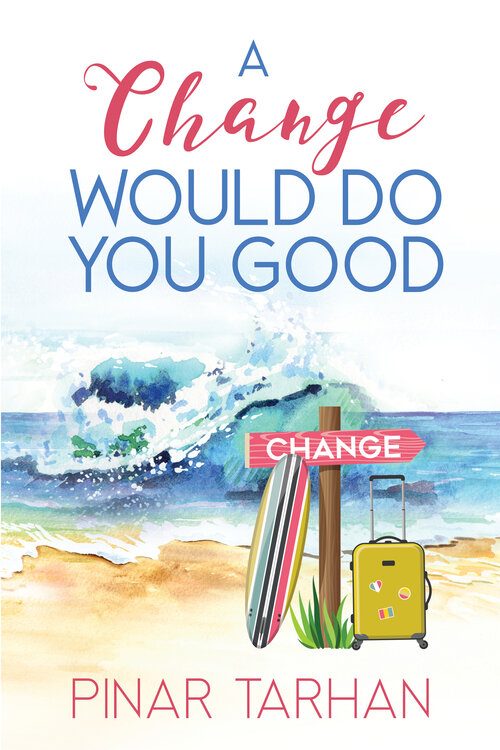
When I first thought of my main character Janie in the romcom drama novel A Change Would Do You Good, I knew she was going to fall in love with her neighbor. She had lost her boyfriend eight months ago, and she would make some drastic changes to her life to get over this, including moving to a new city and getting a job at another company.

In romance, sometimes the guy the protagonist falls in love with after a loss is an awesome, supportive, understanding, empathetic guy who doesn’t mind waiting.

He doesn’t mind being the shoulder to cry on while they wait. (They mind, internally, which is quite human.) They are not pretending to be friends; they are genuine friends. The fact that they want more doesn’t take away from the fact that they want to see this person happy – whether it is with them or not.

You know, like the dreamy Jack from Virgin River. I do love Jack and the series.

But what if I make my guy insensitive, unempathetic, and so-not-down with being friends?

Now the road from neighbors to lovers will be super bumpy. And when they get together, it will be worth the wait.

Now obviously, my main male character isn’t a full-on jerk. Otherwise, why would we root for him?

For all the sex he has had with different women, he has never once cheated on someone for instance. That is an admirable quality.

He has never promised what he won’t deliver or pretended to be someone he is not. Also, admirable.

Obviously, he is hot.

He’s just lived a certain way, and now he has met a woman who is just as stubborn in her

ways. Her life experiences are completely different, and this will present a challenge he has never faced before.

So there is a bit of “opposites attract” trope going on, until they realize they are not opposites after all. This is not exactly a spoiler and since I tell just as much in the book’s blurb.

It is fun to watch a guy who goes from not used to being vulnerable to falling in love for the first time and dealing with that.

  • Will it be happily-ever-after (HEA)?

Depends on your subgenre, but a lot of romance readers want happily ever after. Some might settle for happy-for-now. And be very careful to set the tone in your story when you are writing a sad ending.

For a great happy-for-now ending, I recommend the 2010 movie Forget Me Not.

  • How will they get to the HEA? What will push them apart? Are we talking people? Situations?

Are the obstacles internal or external?

– How active are your protagonists in trying to accomplish their goals?

*

So, you have basically the skeleton of a romance. Let’s say it’s a male/female romance.

Plotting the romance of Joe and Eve

Let’s call our protagonists in this hypothetical romance novel Joe and Eve.

They meet after your novel starts. They sort of like each other. But there are forces that keep them apart. Maybe Joe’s ex is back in his life. Maybe Eve has a marvelous job offer waiting for her on another continent.

  • How close will Joe and his ex get? Will Eve get the job? How will you keep them connected despite the conflicts?
  • Will you make Joe’s ex likable? How?

Because if she is too unlikeable, it makes Joe look bad. We might even question Eve’s taste in men. If you make her too likable, your audience might be rooting against Eve. So, you need to make more decisions.

Note: But you will need to decide what is likable enough. You can’t write for everyone, and eventually, you will need to be confident about your decisions on where to take the story. Because some things are just not universal.

  • How will Joe and Eve fight? When, how, and how often will they fight?

They don’t have to be fighting all the time. One of my favorite romcom movies is Music & Lyrics starring Drew Barrymore and Hugh Grant. As a movie couple, they are not like Allie and Noah from The Notebook at all! There is not much fighting, and I love it.

  • When is the first kiss?

Or does it happen all the way at the end of the book? Will that make you happy? Would that make your readers happy? (Is this a clean romance?)

Also, you have options. Just because your couple shares one big kiss at the end of your novel, it doesn’t mean your romance has to be clean. Maybe there is a lot of swearing and partying. Maybe they are doing stuff with other people.

  • Will the couple have sex at some point? How much will you describe it? You can decide on the length of sex scenes and steam level much later. But knowing this will help you build/keep/resolve tension much better.

I call my romances semi-steamy. They are far too steamy to be considered clean, but next to certain steamy books, they are super clean.

Basically, my characters have sex, but I don’t get into too much detail about it. But you do see the foreplay. But I make sure you know they have sex.

There is also a lot of making out and clothes have a habit of coming off. So like I said, semi-steamy.

  • What happens if they have sex? How do they handle it? What do they do the morning after?
  • Is one of your protagonists more mature and/or sensitive than the other? (Which leads to conflicts.)

Are they both putting in the effort? Generally speaking, we want people at similar emotional levels, and we want equal efforts. If Joe is conquering a new civilization just to show his love but Eve’s forgetting even his birthday…this might not be a match to root for after all.

  • Are your characters realistic? Very few people are purely angelic or evil, so choose your flaws and damage well.
  • Have you brought your own voice and style?
  • Where /when/how does the (happy) ending take place?
  • Do you have enough conflicts in the way?

Pay attention to the conflicts. Enough is the keyword here. Make it too easy, readers lose interest. Make the conflicts unbelievable, uninteresting, or too many/much, readers will lose interest.

For instance, if your characters can’t communicate openly with each other for the whole book, you’d better present solid reasons for the lack of communication skills.

You don’t want a reader to go “OK, none of this would have happened if these two idiots had a meaningful conversation in the first place.”

You don’t want stupid characters.

Yes, it is hard to tell someone how much they mean to you. But if it is painfully obvious they feel the same way, you’d tell them unless…

Unless maybe they are your underling, and it has severe consequences and you love your job? Maybe you are both adults but the age difference is giving you pause? Maybe there are cultural differences that freak you out?

Maybe you are so painfully shy and/or you’re so emotionally invested that you can’t be sure you’re reading the other person right?

Maybe they are giving you mixed signals? (You do need to make sure you have a good reason for the mixed signals, though. You don’t want a protagonist coming off a manipulative jerk.)

  • Are there significant others?

In this case, be careful where you take the story. Will there be cheating? Cheating characters are hard to forgive or root for in most romance subgenres.

So generally speaking, not should Eve and Joe not cheat on each other, but they shouldn’t cheat on other people with each other.

*

Caveat:

What I say covers a lot of romance novels, but not erotic romance and dark romance. They play by different rules.

But while cheating and just being with each other might not be of concern in a subgenre, you still need to answer most of the questions I presented in this long post.

*

What now?

I gave you a lot to think about, didn’t I? There are obviously many more things you can explore, but knowing the answers to these questions will give you a solid start.

You might be saying… Damn, Pinar! If I knew the answers to all the questions, most of my work would be set for me.

Yeah, that’s the idea. So that writing your first draft (and your following drafts for that matter) becomes more fun and less torturous.

If you don’t know the answers to all or most of these questions, please bookmark this post and come back when you do.

Are you with me?

Good.

Now that we know the answers, we write them down. With as much detail as we need. This will depend on the person, story and even genre.

Now imagine the when and where for each scene. At least, decide on the most fundamental scenes.

Do they meet in a café shop? When? How? Where? Why?

Do they take each other’s numbers? How? Why? Why not?

When do they meet again? Is it planned? When/how/where/why?

You do this for every scene/story part you decided.

If you only know that they are two strangers who meet in a coffee shop only to find out later that they are neighbors or co-workers, write this down.

So you move on where they see each other later:

Second meeting: Office, early morning, funny.

Third meeting: Huge misunderstanding, first fight

Fourth meeting: Christmas party, first apology, first friendly conversation since meeting.

(If you know how these conversations roughly go), add it in. If you thought of a clever liner, or know how the dialogue should go, take notes.)

Even if you are writing a romcom, you think of something hilarious, write that. You can even just write “funny thing happens”, and find out what that thing is much later.

If all you think of are cliches at the moment, choose that cliché as a placeholder and change it later.

Do this until the end.

Type the end.


Ordering the Events: Outlining

You can use an online program, flashcards, normal notebooks, Word,…whatever works.

I tend to write on paper first. If I need to see everything in one place, I also use flashcards.

Pieces of paper also work. Just cut stuff off. You don’t need fancy stationery all the time.

I use a physical notebook, Word, and the free version of Trello.

Trello is a super friendly online software. It’s a super user-friendly list-making application. There are even color codes if you need them.

Organize, rearrange, and edit as needed.

Add more scenes. Cut some. Add more.

Get in a groove.

It’s okay to start typing your story’s first draft even if you only know about 30%. You can know %95. It might change much or it might change little. It might stay about the same.

The idea is to give you a strong, confident start with a basic map. The map can be as advanced and detailed as you want it.

What if you found that plotting and outlining aren’t for you?

And if you found that outlining/plotting doesn’t work for you at all.

No hard feelings. You just discovered something really important about your own working/writing style. This will help with your productivity.

I personally like to start typing when I know at least a few things by heart.

I’m currently working on two novels. Both are romcom dramas. One is a sequel to my second novel A Change Would Do You Good. The other is standalone.

With the standalone, I know about 70% of the story. All the characters, major events, some crucial dialogue, and most of the scenes are there. So I started typing my first draft.

With the sequel, which is called A Change Would Do You Better, I knew about 60% of the story. I started that too. Now, I’ve got to write two more scenes and expand on the descriptions before I finish the first draft.

But when I was writing my debut novel Making A Difference (M.A.D.), I knew about 97% of the story. I was venturing into a new format (from screenplay writing to novel writing), so I needed my roadmap to be more comprehensive.

What to do if you’re overwhelmed

If this feels confusing and overwhelming….

Pick a novel or movie you like.

The only condition? It has to be as similar in tone as you can manage to the novel you are planning to write. And it has to be in the same genre.

Great.

Answer all these questions in this post according to that book or movie.

To internalize the process, you can do it a couple of times with different movies and books.

You will see things will become almost automatic.

May plotting muses be with you.

Parting Thoughts 

Doing research is fine. Getting lost in information overload is not.

Pick a couple of articles that you feel are the most helpful. Eliminate the ones you feel aren’t right for you. And get to work. You can combine tips and tricks to create your own method.

There’s really only one rule: You need to start writing at one point. And the sooner the better.


Filed Under: Fiction Writing, Writing Tagged With: how to outline a novel, how to plot a novel, how to write a romance novel, why you should be a plotter, why you should outline your novel, writing with an outline

7 Annoying and Repeating Story Tropes & Go-tos

Posted on June 9, 2022 Written by Pinar Tarhan

Some tropes, scenes, and character reactions are so prevalent in TV series, movies, and novels that they transcend genres.

They are everywhere, and I’m not sure anyone likes them or needs them.

These are not complete deal-breakers. If the thing you are watching or reading is satisfactory in other ways, you can let this go. But it’s tiresome to see them over and over again.

Read on and see if you agree.

– Characters who say “Speak English” to the tech geek; The Geek that babbles on forever

I first met my babbling geek in Marshall in the JJ Abrams hit Alias. That is my favorite show of all time (at least when we speak of the first 3 seasons), and I love that show with all my heart.

And because Marshall is my first babbling geek, I was fine watching him.

You know how the scene goes. Usually appearing in stories with sci-fi elements or action genres with spies using tons of gadgets, there is this brilliant geek. He/she is super nice and friendly. He talks more than you and your best friends combined, and he gives way too many details and uses so much jargon that he’s often told to speak English and/or cut it short.

For once, I want to see a well-adjusted, jargon-free geek who is not that excited about the gadgets. Like, where is this person? Please recommend me the fiction with this kind of geek.

Iron Man sort of side-steps this because he is also a handsome rich playboy, but he and Bruce Banner are in heaven together in Avengers: two handsome geeks geeking away and potentially boring the hell out of Thor, Captain America, and other non-techy folk.

Actually, more than the geek geeking out, my problem is the character who tells them to speak English.

We get it. You are cool. You don’t have time. You don’t care about the process. Maybe use another line next time.

– Feeling something intense? The Character throws up.

Has your character got anxiety? Stress? Disgust?

Have they drunk too much?

Or maybe you just want to make the audience laugh.

Great, but please don’t make your character shit their pants for comedy.

And please don’t make your character throw up for every time something major happens.

Seen dead bodies? Had a major traumatic moment? Got seasick? Got too drunk? Food poisoning?

I mean granted, I’ll give you food poisoning and too much alcohol, but you don’t have to show the contents of the stomach to me. The sound is enough.

I have gastritis. I have felt sick in the stomach too many times, and I’ve been hospitalized due to food poisoning. I have a sensitive stomach, folks.

Now, I am not that sensitive an audience.

I’ll watch murder mysteries and serial killer thrillers for breakfast, but please, stop making your characters throw up.

And if they have to, can you please just give the sound and avoid the visuals spilling out?

In case my advice has you feeling blocked, here are some other things that happen to your body when you are anxious/afraid/disgusted/hungover:

– lack of appetite/ too much appetite

– migraine/headache

– lack of sleep/insomnia/sleep full of nightmares and unintended breaks

– depression

– anger

-withdrawal from the world

– frequent colds (because your immune system gets weaker)

– breaking out in pimples/hives/cold sores

The human body does more than throw up as an intense reaction, is all I’m saying.

Also, how is everyone super fine after throwing up? But that’s another thing entirely.

– Tough guy/gal who strips off the IV and checks out of the hospital before the doctor drops by.

Ah yes. Who needs doctors and meds when (checks her notes) you were admitted to a hospital after a major trauma/accident/attack/fall?

The next scene usually is the character falling down/fainting or going about his/her way as if nothing happened two minutes ago, and is tougher and stronger than ever. In a Mission Impossible movie, I will allow it because we accept the masks. What is a little hospital escape?

But if you are putting this character behavior in the story, give me a person who at least acknowledges this is stupid. Or maybe tell us doing this is the only option:

Maybe they can’t afford the treatment, or maybe someone is coming to the hospital to murder them. Then by all means. Escape to survive.

But don’t do it just to make your character look though. If they have full medical insurance, supporting family nearby and they are fairly intelligent folk, this move makes them look horrible. Not cool, brave or tough.

– Character says “Hello?” to a potential intruder/murderer/creep/psycho

Ah, yes. The inexplicable urge of thriller movie/TV characters to greet their murderers. How quaint.

Come on! Why would you anyone do this? The answer from the other person is never going to be. “Oh, I’m here to kidnap you. I’m answering so that you definitely know where I am and you can get a better chance to run.”

Eye roll.

There are a billion things an anxious/scared/suspicious character can do and say if they suspect someone is where they shouldn’t be.

Sending greetings isn’t one of them.

And while there are necessary cliches in all genres, shouting hello to villains doesn’t qualify as such.

– Character 1 has a secret and wants to spill it. Character 2 doesn’t let them speak on numerous occasions. Character 2  gets pissed when they find out and say “Why didn’t you tell me?”

Another huge pet peeve of mine.

Characters with secrets are good story fodder. They cause wonderfully complicated conflicts. They threaten happy endings.

What’s not great, however, is the handling of the secret this way.

Here’s the situation as you read in the potentially too long subheading:

Character 1 has a secret. They want to come clean. But for some reason, character 2 doesn’t let them. Either they are too worried or too happy or too horny.

Character 1 is stopped a few times. And then when they finally get the chance to fess up or the secret comes out another way, character 2 is upset. “Why didn’t you tell me?”

Maybe because you never let them?

The revelation of a secret will always create conflict, but maybe we can handle it without the character 2 getting in the way of it too many times?

Because often, character 2 gets also upset the secret has been kept from them for too long when they’ve actively contributed to the length of the time the secret has been kept.

Not a huge deal, but maybe don’t make the secret-learner annoying.

– The character who never learns. Never. Ever. Ever.

One of my favorite crime thriller dramas now has fans fast-forwarding scenes with the female protagonist because she is a gold-medalist at never learning.

Now, if this was real life, her consequences would probably be not that big. We all make mistakes and we keep making them, especially the small ones. Because let’s be honest,  it is hard to change.

It’s hard to go against our own nature. And in the grand scheme of things, you can forgive yourself because how much does it really affect you when you constantly give in to something like bedtime revenge procrastination?

Here’s what’s happens during my revenge bedtime procrastination:

– I look at cute animals and funny memes.

– I receive the news from funny people like Trevor Noah so I’m informed but not depressed.

– I rewatch favorite scenes from films and TV series. And while they entertain me, they also make me a better writer.

– My dreams are super vivid and entertaining, with a more or less logical plot.

So yeah, my quality of sleep is affected a bit, but in the grand scheme of things, I am fine. Because, and I can’t stress this enough, I don’t live in a horror movie or a thriller.

Back to this crime drama/thriller character that I referred to: She has been driving us crazy because she constantly puts herself in mortal danger, risks her career and those she loves, screws up relationships and then gets super sad and upset.

Then all you can do is mentally do the disappointed sports fan meme.

It’s hard to root for, like, and emphasize with a character when everything is her fault and she damn well knows it.

This is one of the reasons I might not return to the show for its second season, even though I was one of its biggest fans for a while.

This is one example, but I can bet you can think of many characters like this. They create their own hell. They are not irrational or stupid once or twice. They are like this all the time.

How many characters, books, shows, and movies have you given up on because of this kind of character?

It’s one big annoying loop. Don’t do this to your characters, or your audience.

When the stakes are everything, let them learn. Let them get a little smarter.

Yes, characters shouldn’t be perfect. But their flaws should know some bounds.

– The character is smart only because everyone else is stupid, naïve, or both.

Smart characters are awesome. They are always up to something interesting. They fascinate, inform and entertain. But before you write your smart character, check if they are really smart.

Because sometimes a character’s “clever” ideas and plans are only working because other people are just too naïve or stupid. Then this just alienates the audience.

Of course, there are exceptions. But if your story is set in a cutthroat world, the people at the top didn’t get there by being idiots. Maybe one was super lucky or privileged, but it can’t be all the characters. And let’s face it, even if you are lucky and/or privileged, staying at the top takes effort and brains.

Twists are wonderful. So are evil villains.

But it really is more fun if the smart character is truly smart, and is not getting away with murder because everyone else doesn’t have a working brain cell between them.

**

So far, these are the tropes that I see often that make the stories fail or live up to their standards. Or at the very least, they give out a Deja Vu vibe so strong that the viewer & reader starts fantasizing what would happen if they got a penny every time they saw the same thing…

Do you agree with these? What are the most annoying and repetitive tropes and other things for you?

Filed Under: Fiction Writing, Writing Tagged With: annoying fiction tropes, fiction cliches, fiction writing tips, repeated tropes and things in fiction

9 Best Romance Tropes: This Romance Author’s Favorite Romance Tropes

Posted on February 11, 2022 Written by Pinar Tarhan

Romance is in the air!

February is Creative Romance Month, and the 14th is right around the corner. So, I figured we would tackle some popular romance tropes, which also happen to be my favorites.

You’ll see that I hardly ever love any trope unconditionally. As a life-long romance fan and an experienced romance writer, I’m very particular about what I like.

You can check out the romance tropes that I absolutely don’t find romantic, check out this post: The 6 Most Unromantic Romance Tropes in Romance Fiction (And What to Do with Them)

Let’s see if you agree with my favorites and the reasons.

PS This post contains Amazon affiliate links. If you buy something, I will earn a little at no extra cost to you. Since these are my favorite romances, I stand behind my recommendations. 

PPS: This post will spoil some book, movie, and TV series moments.

1. Forbidden/ star-crossed

When I say forbidden, I don’t mean cheating. And when I say star-crossed, I don’t mean Titanic, or Romeo and Juliet.

I need the danger/stakes to be more than two angsty, hormonal teenagers. And I need the conflict to be something other than rich vs. poor families. I’m over it.

What’s a proper star-crossed romance that I adore? Why, Alias’ Sydney and Vaughn of course. (You can watch the pilot preview here.)

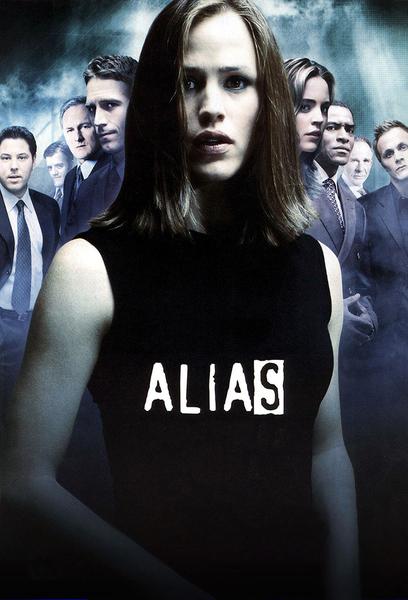
Alias

Alias starring Jennifer Garner, Michael Vartan, Bradley Cooper and Victor Garber.

Alias (2001-2006) is a kick-ass action/drama series created by J.J. Abrams and starring Jennifer Garner and Michael Vartan. It just might be my favorite series of all time. Well, the first three seasons at least.

It also has one of the best TV romances ever.

I’m going to spoil things a bit, so if you’ve always wanted to watch Alias, this is a good time to do it. Please remember to bookmark this post so you can come back. (Bonus: The series features Bradley Cooper in a very important supporting role.)

Special agent Sydney Bristow (Jennifer Garner) works for a secret branch of the CIA. But when they kill her fiancé, she realizes that she was working for the enemy all along, and she co-operates with the actual

CIA to bring them down for good. Her CIA handler is Michael Vaughn (Michael Vartan), and their chemistry (physical and emotional) is palpable from the start.

Sydney is now working as a double-agent, unbeknownst to the bad guys. How do the bad guys trust her after the sh**t they pulled? They don’t. They try to kill her at first. But then she brings them something valuable and says she shouldn’t have told her fiancé about her job.

The only person she can fully trust and talk to is her CIA handler Vaughn because he is the only person in her life who knows everything. And as they grow closer, it pains them to know that if they were ever seen together, if the evil agency connects the dots, they will both be killed.

How’s that for stakes? How’s that for internal and external conflict?

Alias is amazing with espionage and action scenes, but the emotions also run high. I strongly recommend it.

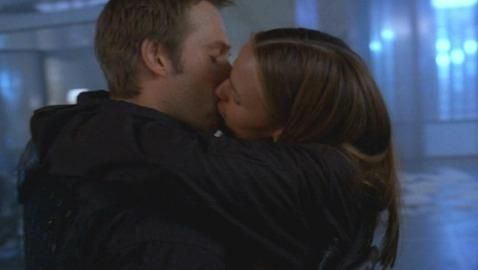
Vaughn and Syndey finally get to kiss for the first time.

And let’s face it, in no other romantic storyline, the man of your dreams will break into the Vatican with you. 🙂

Do hit me up in the comments if this scene made your week back in the day.

2. Forced proximity

This is always a lot of fun. The characters usually can’t stand each other in the beginning, or they just have contradictory goals. But to get what they want/need, they need to stay together, whether be in tight quarters or just hanging around in Europe.

In the movie Chasing Liberty (2004), the first daughter Anna is 18, and she hates that all her moves are monitored and protected.

When she is in Europe with her family, she takes off with attractive stranger Ben (Matthew Goode) who is slightly older than her. Luckily for her father, the attractive stranger is a young CIA operative who promises to keep an eye on her.

Keeping Anna from other men might be easier than staying away from her himself, though…

Chasing Liberty is corny at times. But it has a good heart and offers good fun. Also, like, how do you not melt when Matthew Goode is in a romantic lead?

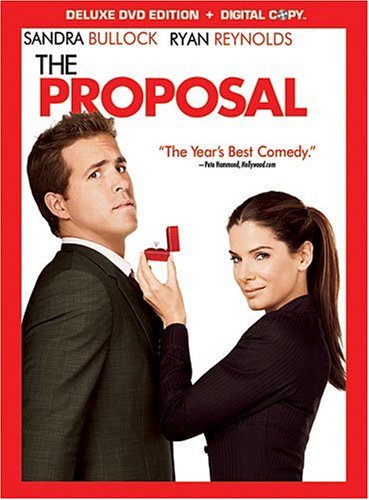
The Proposal, the hit romcom from 2009 starring Sandra Bullock and Ryan Reynolds, has editor Margaret propose to her assistant Andrew because she’s Canadian and her visa is about to expire. If Andrew wants to keep his job… well, you get the stakes.

The problem? They absolutely can’t stand each other, though Andrew’s hate is stronger since she is his demanding, workaholic boss. Things get trickier for the duo when they have to keep up the ruse in Alaska, where they visit Andrew’s family. You get the whole package: having to sleep in the same room, accidentally seeing each other naked, enjoying the fake relationship a bit too much toward the end…

Image via Amazon.com.

The Proposal can also be counted as enemies to lovers, opposites attract, office romance, and fake relationship.

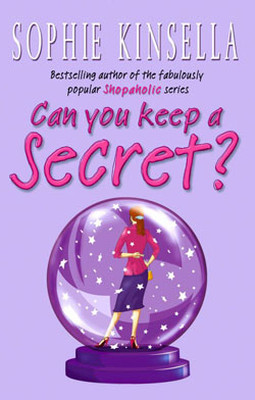
Can You Keep A Secret?

This hilarious, romantic, and sexy romance novel by Sophie Kinsella was also adapted to the big screen in 2019 starring Tyler Hoechlin and Alexandra Daddario.

While theirs is technically an office romance, their meet cute starts on an airplane. Flustered marketing employee Emma finds herself sitting next to handsome stranger Jack. When she thinks the plane is going to crash, she confesses all of her secrets to him: little and big, no matter how embarrassing.

But it’s no biggie, right? They survive and she will never see him again. Except he turns out to be her boss, and he remembers everything. And he will show this with great hilarity.
Emma and Jack’s connection would have never been the same without that plane ride.

3. Neighbors to lovers

Ah, the one’s very close to my heart since my romcom drama novel A Change Would Do You Good has two neighbors, Kevin and Janie falling in love. Oh yes, there are many other characters and tropes in this fun book full of ocean waves. But it is the main one.

Fashion designer Janie gives her life the ultimate makeover and moves to a new apartment. Her downstairs neighbor is a hunky pro-surfer named Kevin. It could be heaven, but she is still grieving over the death of her boyfriend. Kevin has never been in a long-term relationship. Their outlooks on life seem only as “similar” as night and day.

But then again, sparks don’t ask for their permission before they start flying like crazy.

4. Office romance

As you probably noticed, most romances don’t just have one trope, and this makes things more fun. Technically, the romance in Alias is also an office/workplace romance, as well as a friends-to-lovers story.

My novel Making A Difference (M.A.D.) is the ultimate office romance since all the complications arise once star PR expert Jay Clark hires his former student and intern Zoe Ellis to be his business partner.

5. School Romance

High School – 10 Things I Hate About You (1999)

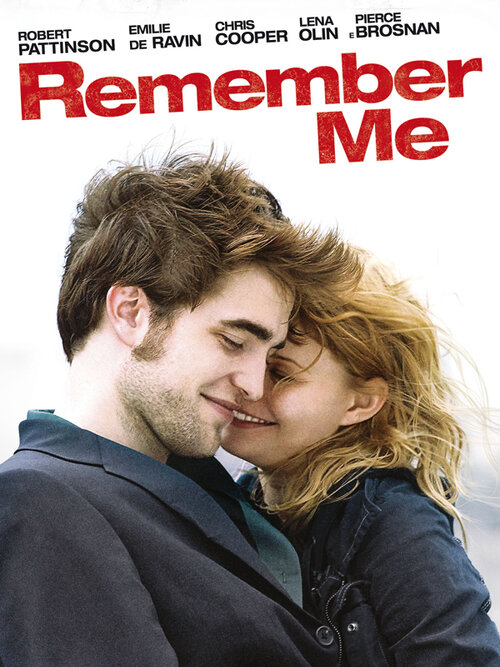
For some reason, high school romances are aplenty while I couldn’t think of a college romance that left its mark on me other than Remember Me, so that’s what we will go with next.

When it comes to high school romances, I have many favorites. But after I eliminated the ones with sick characters who die at the end, and I excluded ones who aren’t this funny and fun, I am left with the absolute gem called 10 Things I Hate About You.

Stellar cast, witty Shakespeare adaptation, great soundtrack…And goodness wins! What more do you want?

In the film, high school student Bianca is pissed she is not allowed to date until her feminist, grumpy and rebellious sister Kat (Julia Stiles) does. So, she devises a plan to get Kat a date: She enlists the help of Cameron (Joseph Gordon-Levitt) who has a crush on Bianca. Except Bianca wants to date Joey.

Cameron and his new best friend pay Patrick Verona (Heath Ledger), an outsider with a reputation, to take Kat out. But things get super complicated when Patrick genuinely starts to fall for Kat…

College – Remember Me

Image via beyazperde.com

2010’s Remember Me starring Robert Pattinson and Emilie de Ravin is a sad, passionate movie. At first, we dislike Robert’s character Tyler. He asks out fellow college student Ally, out of spite for her cop dad who arrested him. But on their date, Tyler does fall for Ally. They share a deep connection through a traumatic past and their complicated relationships with their fathers. Watch it, but bring the tissues. This one doesn’t have a happy ending.

6. Haters to lovers/opposites attract (*when they complement each other, learn from each other and realize they are not that different.)

This comes with a huge caveat.

I believe that dating someone who is the opposite of you in every way is a recipe for disaster and the furthest thing from passion.

But some of my favorite romances have the haters to lovers/opposites attract tropes in front and center, so what gives?

You see, I believe you should date someone who has some things in common with you. This doesn’t mean you should date someone who is basically you.

It is great if one of you is more calm and relaxed. It’s lovely if one of you is slightly more organized.

Pride and Prejudice

There is a reason Darcy fell for Elizabeth. And it is not because they are exact opposites. It’s because they are complementary.

On the offset, Darcy and Elizabeth think they couldn’t be any different. Darcy is (or seems) cold, distant, unfriendly, unsocial, snobbish. Elizabeth is fun, social, friendly, and warm.

But as Elizabeth happily and tearfully admits to her dad in the end, she and Darcy are in fact so similar.

They can both be prejudiced and proud. They are both passionate and protective about the people they love. They both struggle with when to roll with societal norms and when to say f*** it and do their own thing.

At their core, they are both sensitive, loyal, blunt, and loving. And that is why they are one of literature’s favorite couples of all time.

7. Bad Boy (who isn’t actually a bad boy)

I have to admit I don’t really like bad boys. Bad boys in fiction I have liked generally are misunderstood and/or misjudged underdogs, or men who have been selling themselves short, even to themselves.

Take Johnny (Patrick Swayze) from Dirty Dancing. Sure, he wears leather and dances for a living, which screams bad boy to parents everywhere.

Sure, he sleeps with guests at the hotel he is working at as a dancer and accepts expensive gifts from them…But even this…I don’t judge him. He makes no promises, and the married folk should be doing the loyalty thing. It’s not Johnny’s responsibility.

But when his best friend needs help in a very tricky situation, he is there. And when he needs to step up for the girl he loves, he does.

So, if you want to give me a bad boy, you better give me someone like Johnny.

7. B. Bad Boy (who gets reformed for good in front of my very eyes!)

What Women Want (2000)

So why is a fantasy romcom film about a man hearing women’s thoughts is listed in bad boys?

Because the protagonist is a complete ass. Well, at least in the beginning.
Advertising wonder boy Nick Marshall (Mel Gibson) is a complete ass. He does whatever it takes you to get you into bed and then probably won’t call. He is also insensitive, clueless, and a failure of a single dad.

But then through a wonderful trick of fate, he starts hearing what any woman thinks, and at first, he believes he hit the jackpot. He can bed more women, faster.
But then as he gets to know women (and particularly his work rival Darcy), he starts to genuinely transform into a better person, lover, friend, and father.
And because Nick grows in every possible way right in front of our eyes, we root for him.

8. Friends to lovers – (*if they didn’t know each other for a long time.)

Again, I come to you with a disclaimer.

Friends to Lovers is an interesting one because it can be a pet peeve of mine or a favorite, just depending on the details.

If the characters have known each other since primary school and only notice each other after being absolute besties like 10,15 or 20 years, it’s a big no from me. Then I feel like they just got bored and took the easy way out.

But if they knew each other for a short time before feelings emerged…and/or if they were instantly attracted to each other but couldn’t pursue romance because of legitimate reasons, then I’m all in it for the comedy and romance.

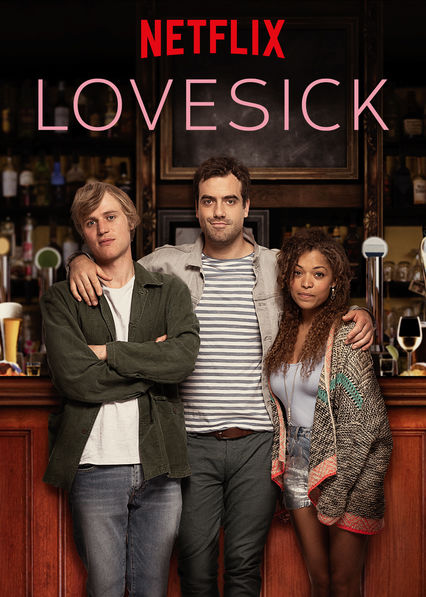
Image via imdb.

Lovesick (2014, Netflix series) does this really well. First, I should mention Lovesick is a brilliant and hilarious comedy.

But it is also a romantic comedy because protagonist Dylan (Johnny Flynn) is a total romantic at heart.

When he meets his best friend Luke’s close friend Eve, they make friends at first. Eve is crushing on an artist dude and Dylan is with a German date. But when both their romantic interests fail them, they end up sleeping together. Dylan is more than willing to give this a go, but Evie just wants a one-night stand.

When circumstances bring about a friendship, they roll with it. But repressed feelings will come to bite both of them and ruin future relationships.

9. Holiday Romance

The Holiday (2006, starring Kate Winslet, Cameron Diaz, Jude Law, Jack Black)

OK, that is not my subtlest example, but it is one of the best examples of a holiday romance.

Having had extreme bad luck in their relationships, English Iris (Kate Winslet) and American Amanda (Cameron Diaz) – two strangers – exchange their houses for the upcoming Christmas holiday.

Amanda spends Christmas in a lovely cottage, and Iris gets to enjoy Amanda’s beautiful LA house. Of course, no holiday romance is complete without Mr. Right. Amanda falls in love with Iris’ gorgeous brother Graham (Jude Law), and Amanda’s friend Miles (Jack Black) has a lovely friends-to-lovers romance with Iris.

****

Give me the takeaway now!

Yes, this was a long post. And these were only my favorites. There are tons of romance tropes, so listing them with examples takes time.

But there’s really one vital takeaway I want you to take from this post and it’s this:
There are no hard rules that are set in stone.

Mix and match. Experiment to your heart’s fancy.

It definitely helps to know yourself as well as your target audience. But one writer/reader’s favorite can be another’s pet peeve and vice versa.

Hardin from After is the boy of my nightmares: both the book Hardin and the movie Hardin. This is not to say the books aren’t readable. They are super engaging.

But when I read a romance, I should want to be the girl. And I should want the guy.
I don’t want a romantic protagonist to make me say “Just go and never come back.” I shouldn’t want an “unhappy” ending where the heroes of the book don’t get together.

I’m a Darcy girl, you see. Whether it is Mark Darcy or Mr. Darcy, I want my men to be decent. And hot. And the fact that they are decent makes them hotter. You dig?

Ralph Fiennes and Juliette Binoche in Wuthering Heights. Heathcliff was pretty decent until he overheard the conversation.

Wuthering Heights is a great book and a must-see movie…because who can resist Ralph Fiennes when he plays an obsessive lover? But a great movie/book doesn’t a great romance make. Sometimes, they are just highly engaging nightmares and cautionary tales. But some women want their Heathcliff, and we will disagree from here to eternity.

So, write the man/woman you would fall in love with. Write the hero you want to be. And then market it accordingly.

Filed Under: Fiction Writing Tagged With: how to write romance, most romantic romance tropes, romance books, romance movies, romance trope list, romance tropes, romance writing tips

3 Things to Avoid When Writing a Thriller (According to an Avid Thriller Fan)

Posted on October 21, 2021 Written by Pinar Tarhan

Image by Pete Linforth from Pixabay.

I’m not a bestselling thriller author, so why write this article?

Because for anyone writing a solid thriller, there is a chance I’m in your target audience as a thriller reader and watcher.

Legal, medical, psychological, horror, action, romantic…I’m all for these thriller subgenres and more.

I consume quite a bit of it, and when I’m finally confident in my idea and story, I’ll also write thrillers. (But I am slightly more in love with writing romance, so those next books will get written first.)

I find thrillers a very tricky genre to write as the audience usually has very high expectations, has already seen many variations of your characters, conflicts, and main concept. They are sick of seeing certain twists, tropes, and character and event types.

For instance, I am not fond of amnesia, whether I come across it in a thriller, romance, or romantic thriller.

So, while you’re obviously free to write the story you want to write, it will help you to keep in mind audience expectations, and what will possibly disappoint them. And I’m by no means the only thriller fan who doesn’t want to see the tropes I’ll mention below.

This list is short and unexhaustive. But avoiding these three (or finding satisfying ways to justify them) will improve your story and please your readers.

Ready? Let’s get ready to thrill and be thrilled.

  • Stupid protagonists that make it really hard to root for their survival

This is truly the bane of my existence as a fan of the genre.

Look, I get it. It’s your job as a thriller writer to put your protagonists in increasingly dangerous situations. And we are only human. Fueled by stress, adrenalin and fear, we are likely to make some irrational decisions.

But, and this is a crucial but, there is humanly stupid/afraid… then there is intolerable idiot.

I’ll give you an example.

Let’s say you are in the wilderness and you run into a huge, angry bear. What do you do?

I’m by no means claiming that I can survive that with my body and integrity intact. I’d probably die from a heart attack. Or throw up and freeze. Angry bears are scary as hell!

But I can tell you what I most definitely wouldn’t do. I wouldn’t antagonize the bear on purpose or attempt to fight it with my bare hands.

Heard a noise when alone in the house? Why would you call out hello? Are you freaking kidding me? You stay quiet, check around with a potential weapon like a baseball bat or something heavy and call for help on your phone.

Or better yet, hide and call the cops. Don’t say hello. This is not a cute stranger at a coffee shop. This is a potential intruder. And in case you are saying it might be a friend, write better friends. You know, those who aren’t likely to drop in announced in the middle of the night, making all sorts of weird and loud noises.

But this is not the only dumb thing most thriller main characters do, is it?

They hide their spare key under a mattress. I mean, regardless of the genre, unless the movie takes place in the safest town of a country like Norway, or you created a utopia where crime doesn’t exist, don’t make your characters put a key where it will be easily found.

And if you do make them put a spare key for anyone to find, for the love of all you hold dear, please don’t make them act angry, surprised, or scared when someone unwelcome comes in.

And the award for the dumbest action, though, goes to characters who aren’t particularly big, strong, or fast. They don’t know martial arts. They don’t know how to shoot a gun. They can’t parkour. They can’t lift grown men. They don’t have any sleuthing or policing skills.

And yet, when they are suspicious, they don’t call the cops. Or hire a PI. Or even talk to a bunch of friends and take them along. Taking your friends into dangerous places is still stupid, but way smarter than going alone and unprepared.

These characters go into buildings that are about to crumble. Buildings so dangerous that you don’t need a ghost or a serial killer to put you in danger. And then they die or get seriously injured. And what do you think the audience feels when this happens? How do you feel when this happens?

Don’t make your characters act stupid.

If you do, make sure you compensate for this in another way.

Maybe your character is depressed and isn’t afraid to die. Maybe he/she is a daredevil and the adrenalin rush makes up for all the threats according to them.

Maybe they are so desperate that there is a bigger chance to survive whatever/whoever is after them that they enter into a dark alley without so much as a car key.

Then yes, you might get a pass. But be aware you’d be walking a thin line.

And if thrillers have shown us anything, if the protagonist is a therapist, the worse we need to expect. And this brings us to mistake #2:

– Incompetent/unethical/irrational/evil therapist characters

Many thrillers love a therapist who is (un)intentionally bad at their job for some reason. Cough, Intersection, cough.

In Final Analysis (1992), Richard Gere’s therapist sleeps with Kim Basinger, who happens to be his patient’s sister. Look, we all get how hot Basinger is, but you gotta keep it in your pants for the sake of your profession.

Of course, this will lead him down a very dangerous path. Are we surprised or scared about anything that happens to him? Not really. And I love Richard Gere.

The 90s are filled with movies from different genres where there is a prominent therapist character who sleeps with a patient. Unethical, bad, and irrational all in one.

Lots of dangerous things happen to this therapist, and you’re like, yeah, whatever man. Let the psycho get him/her. Or let them be fired or whatever.

It’s hard enough to convince people about the validity of therapy and the existence of good therapists without pop culture shoving more fictional bad therapists down our throats.

If you are writing a therapist, it might be a good idea to not make them sleep with patients or patient relatives.

If a therapist has a therapist, this is a good sign. It means they walk the walk. Would you trust a doctor who didn’t go to a doctor when they were sick?

You get bonus points for making your therapist deal with emotionally taxing situations in ways they’d recommend their patients.

Not making your therapist live an isolated life or having them lead a co-dependent and/or toxic relationship would also be a nice change.

I’m not saying all therapists are good at their jobs or taking their own advice. But we have seen enough incompetent and/or bad therapists who make terrible life choices during the entire story.

– Stupid villains

Stupid villains underestimate their enemies and loved ones.

They are impulsive and are bad at making critical decisions.

They have horrible timing.

They forget to check things and take precautions.

They overestimate themselves.

They surround themselves with people who can catch them.

***

Your characters don’t need to be super intelligent. But a little common sense goes a long way when they are planning things or reacting to things.

What about you? What thriller writing choices drive you up the wall as a writer or reader of the genre?


Related Posts Plugin for WordPress, Blogger...

Filed Under: Fiction Writing, Writing Tagged With: how not to write thrillers, how to write thrillers, thriller writing, thriller writing mistakes, thriller writing tips

  • « Previous Page
  • 1
  • 2
  • 3
  • 4
  • 5
  • …
  • 16
  • Next Page »

Blogroll

  • My Entertainment Blog

My Other Blogs

  • Beauty, Fitness & Style for the Fun-Loving Gal
  • Dating & Relationships in the 21st Century

Categories

  • Author Interviews
  • Author news and coverage
  • Blogging
  • Book Launches and Excerpts
  • Book News and Author Interviews
  • Book Recommendations
  • Book Reviews
  • Career Management for Writers
  • E-Book Reviews
  • Fiction Writing
  • Fictional Writers: Writer Characters in Movies, TV Series and Books
  • Inspiration and Motivation
  • Marketing
  • Marketing Fiction
  • Movie and TV Series Recommendations
  • Novel Reviews
  • Paying Markets-Web and Print
  • Productivity & Time Management
  • Recommended Resources
  • Reviews for Tools and Devices
  • Romance
  • screenwriting
  • Self-publishing
  • Story Conflicts
  • Website & Blog Reviews
  • Writer Tools
  • Writing
  • Writing Tools
  • Writing Updates

Copyright © 2026 · Focus Pro Theme on Genesis Framework · WordPress · Log in

This website uses cookies to improve your experience. We'll assume you're ok with this, but you can opt-out if you wish.Accept Reject Read More
Privacy & Cookies Policy

Privacy Overview

This website uses cookies to improve your experience while you navigate through the website. Out of these, the cookies that are categorized as necessary are stored on your browser as they are essential for the working of basic functionalities of the website. We also use third-party cookies that help us analyze and understand how you use this website. These cookies will be stored in your browser only with your consent. You also have the option to opt-out of these cookies. But opting out of some of these cookies may affect your browsing experience.
Necessary
Always Enabled
Necessary cookies are absolutely essential for the website to function properly. This category only includes cookies that ensures basic functionalities and security features of the website. These cookies do not store any personal information.
Non-necessary
Any cookies that may not be particularly necessary for the website to function and is used specifically to collect user personal data via analytics, ads, other embedded contents are termed as non-necessary cookies. It is mandatory to procure user consent prior to running these cookies on your website.
SAVE & ACCEPT