
Addicted to Writing

Manage Your Freelance Writing Career While Writing What You Love

  • About Pinar Tarhan
  • Blog
  • Books
  • Hire Me: Services
  • Contact Me
  • Portfolio
  • Favorite Resources
  • Newsletter

8 Reasons I Procrastinate and How I Make Procrastination Work for Me

Posted on December 12, 2021 Written by Pinar Tarhan

One of the most common (and generally sound) writing advice is to write with your audience in mind. What’s their pain point? And how can you fix their problem?

Except, I sometimes do things the other way on my blog. I take my pain point and write it in a way that will relate to my audience.

This usually happens when I keep reading articles that are supposedly targeted toward me but I can’t relate to at all. And I’m not a unicorn. Chances are, there are writers who will relate to me.

So I hope this procrastination article speaks to you and that you find it relatable.

As for fixing the problem of procrastination, well… we’ll see.

Fear of what now?

The reason blamed most for procrastination is usually a tie between fear of success and perfectionism.

And when that happens, I usually stop reading whatever that is.

Because I don’t know about you, but I’m not afraid of success. Failure? Oh, yes. Absolutely. Very often. Success? No.

And I’m so not a perfectionist.
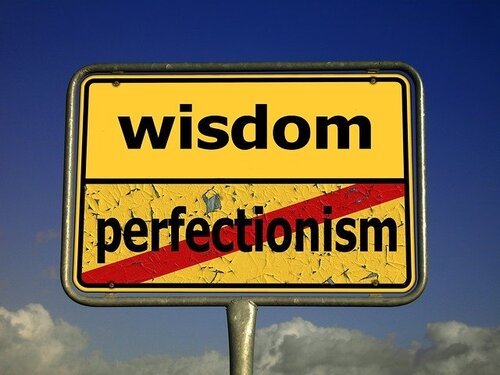
I’m by no means a perfectionist.

Sure, I like to check things. I like it when things are done right.

But I never aim for perfect. I aim for grammatically correct (as long as it doesn’t stifle style and voice), factually correct and enjoyable.

Because perfect doesn’t exist. Universally loved and accepted doesn’t exist either. So, why bother? I get that it might be the reason behind the procrastination of some writers. Just not mine.

So why do I procrastinate?

– Overwhelm (also known as overload). Whether it is due to too much information, too many ideas or specific difficulties like monetary or technical, overwhelm blocks me. It renders me frustrated.

– Underwhelm. Something is boring, repetitive and/or takes too long to get to the point. Sometimes it can be hard to figure out whether you are overwhelmed or underwhelmed. The line is thin.   

– Writer’s block. How do you pitch something or write when you’re absolutely stuck?

I regularly go through what I call pitching blocks. Yes, I need to pitch guest posts to promote my novels.

And I need to pitch non-fiction article or essay ideas to editors.

But sometimes, the idea is just not there. Or the idea is there, but you can’t find a publication that is a good fit.

Sometimes you get over that hurdle, only to be rejected by the editor. Then it’s back to the drawing board.

I am often working on more than one thing, so complete writer’s block is not a thing for me.

Stuck in one scene? I move on to another. Stuck in one story? Go ahead and work on the other one. Not feeling the fiction muses? I’ll go ahead and write that blog post.

But no matter what form and magnitude writer’s block hits you, it still gets in your way.

It delays your launch plans. It might put a dent in your expected income. It will also occasionally drive you crazy.

Why can’t I find the right, exciting love story for this wonderful character of mine?

Why do I have the perfect premise for a sci-fi thriller but I can’t for the life of me figure out the personalities of my protagonists?

And why can’t I figure out the rules of this alternate universe?

– Fear of failure. Will this (whatever it is that you are learning or working on) be too hard to figure out?

Will the result have too many mistakes and/or look hideous (especially for techie things and/or things that require formatting/design)?

– Health problems. Good luck being proactive and productive when your health is bothering you a great deal.

Sure, conventional wisdom tells you to rest and sit it out, but what if your issues are chronic and the doctors haven’t figured out a solution yet? Just how much rest can you afford without going crazy and/or broke?

– Fun/being social. Yes, I admit binging Netflix too many times. Luckily, I turn that into content.

And what is sitting with friends for an hour longer? Although, if I knew Covid would hit, I would have procrastinated even harder on this front.

– Fear of failure/rejection.

I’ve been pitching for over a decade, and I still occasionally procrastinate on this.

I also call it “fear of more (unpaid) work”.

Because, if the editor rejects you, you have to look into other magazines and do more research and tweak your pitch. Then wait. Then follow up. Then maybe follow up once more before moving on. Rinse and repeat.

And if one novel doesn’t turn into the hit you are hoping for, you have to reconsider your entire marketing strategy, study some more, and gasp!, write another book – while dealing with fear and anxiety. What if this one also doesn’t work out the way I want it to work out?

Fear of more, endless, (initially) unpaid work in sight is real.

I don’t mind the work; it’s the uncertainty that gets to me. The feeling of working as hard as you can and still feeling you are not getting anywhere.

– Being intrigued by how the human mind works and how/why everyone does things. Have you ever watched videos of apartment rentals in New York even though you don’t live in the States and aren’t planning to move there anytime soon? I have.

For me, the peak of this type of procrastination is watching videos or reading about why people procrastinate. Like, I know why I do it. Why do other people? How? How often? How normal/rare/weird am I?

If this is you, you just might enjoy this Ted talk. It’s called Inside the mind of the Procrastinator.

*

Procrastination isn’t the end of the world. Or the end of productivity.

I’ve never missed a deadline imposed by an editor or client, including when they asked me to set the deadline. It is only right and professional to turn in my work when or before I promised I would.

Can/do I perform the same level of “professional” courtesy if I set the deadline for myself for a passion project? I think you know the answer to that one. (No, I can’t.)

Part of the reason is, I believe, my personality. I strongly recommend Gretchen Rubin’s bestselling book Better than Before (Amazon aff. link) about habits, one of the only books I’ve read on the topic that takes your personality into account before drawing conclusions and offering advice.

I’m a questioner/rebel (terms coined by Rubin). I question everything, and I only do things if I’m satisfied by the reason. I also rebel. I do something only if I want to do it. So even if I happen to set a deadline, I would rebel against me.

Does it mean I don’t get things done?

Of course not. But it is unlikely for me to say “I’ll finish this book by March 15” and then have it finished by March. I will do it as soon as possible, but I can’t give a date. And if I did, I wouldn’t stick to it.  I’d probably finish it even on the 14th or the 16th of March just to spite my goal-setting self.

I’m trying to tone down the Questioner/Rebel in me, and luckily, I’m a total obliger when it comes to dealing with other professionals.

I’m trying to understand why I procrastinate and come up with methods to tone it down. And when I can’t tone it down, I come up with reasons to make it pay.

Make your procrastination work for you

– Watched too many episodes in a row? I pitch and write articles on it in a row while everything is still fresh in my mind.

– Spent days socializing with friends as opposed to working? I am grateful for the fun I had.

And I might or might not use the stories we shared for future inspiration. Always with their permission, of course.

*

So, there you go. This has been the procrastination analysis of a non-perfectionist.

If I regret any procrastination, it’s usually the mindless social media browsing or YouTube watching before I go to bed. But even then, those are my creatively and energetically dead hours.

And let’s face it, cute cats can’t be that bad for our mental health.

Could I be working instead? If I could, trust me, I’d be working.

Could I be doing something else? If there was a way I could be out safely dancing and mingling outside, I’d be doing that.

As long as I don’t hang around online past midnight (which is the latest I can go to bed where my brain and body will allow me to wake up properly in the morning), I’ll be fine.

And in those “mindless” strolling moments, I’ll still find hilarious memes, story ideas, what I want from a rental apartment, what (not) to do with my social media, where I (don’t) want to travel, and beyond.

*

Here’s what I want you to take away from this post:

– Not all procrastination is bad.

– Not everyone procrastinates the same way or for the same reasons.

– You can make procrastination work for you.

– Reading about other people’s procrastination reasons (and ways) will be helpful to a certain extent. But you might decide you have to work on it if you are filled with regret and disappointment afterward.

*

Why do you procrastinate? How do you procrastinate? And what do you do about it? Let me know in the comments.


Filed Under: Productivity & Time Management, Writing Tagged With: causes of procrastination, how to deal with procrastionation, how to make procrastination work for you, procrastination, procrastination causes, productive procrastination, productive procrastination for writers

How to Write A Book Review: Tips to Make Writing Your First (or Next) Review Easy

Posted on November 28, 2021 Written by Pinar Tarhan


Writing a book review is not fun.

No, no. Let me rephrase that: The idea of writing a book review isn’t fun.

Writing the book review itself can actually be quite enjoyable. Once you set aside a little time, sharing your thoughts on a book you read with the rest of the world can be a rewarding experience.

There are generally two reasons people don’t like to write reviews.

  • They don’t have the time.
  • They don’t think they know how.

That’s it. And luckily, both of these can be remedied.

Do you remember having to write book reports in school? We had to answer specific questions, were expected to fill a certain number of pages, we had to deep analyses…

It felt like such a chore, and this is coming from someone

1) likes books!

2) loves to write (duh!)

3) and someone who likes to share her opinions with the world. (double duh!)

But reviews aren’t book reports.

For one, they aren’t mandatory. And for two, they aren’t graded.

Why leave a review?

Because it really helps the author. It increases visibility. It provides social proof. More visibility and social proof lead to more sales, which lead to more reviews…creating a lovely, virtuous cycle.

People start to notice the author more. So the author can write more books because they can actually pay their bills.

Your review might be the reason someone decides to buy (or not buy) the book. So, you are also helping out fellow readers.

Now, at this point, Dan Brown will live just fine if you don’t review his latest book. I just opened up my Amazon tab and typed in Dan Brown. He has thousands (or even tens of thousands of reviews) on his books.

So, people will leave reviews, and he can live if he doesn’t get the 16,000th one. (I love Dan Brown by the way. I’m just pointing out how successful and well-known he is.) Readers also have plenty of information to decide whether to pick up their next book or not.

On the other hand, other writers aren’t so lucky. We have to work really hard to get those initial reviews, and even getting to double digits takes a lot of work in the beginning.

So, you make authors really happy.

Are there rules to how to write a review?

Yes, and no.

The more specific you are about what you like and don’t like about the book (without spoiling things of course), the more you will help out readers and authors.

Authors will treat it as feedback, and readers can make a more informed decision.

Just saying something like “this book rocks”, or “this sucks!” doesn’t help anyone.

If you liked the book, give examples.

If you didn’t like the book, you guessed it, give examples.

And it is also okay to be neutral about the book, or have both enjoyed some parts and disliked the others.

Things to consider when writing a review (so it becomes easy and fast):

For fiction

Note: You don’t have to mention all of these. These are just ideas to get you started. Usually, a well-written paragraph suffices. A few paragraphs? The writer will think they are in heaven. But even a few coherent and specific lines will do if you are in a hurry.

– Writing style/author’s voice.

How was it? How did it make you feel? What was good? What was lacking? Who do you think they are similar to? In what way?

– Characters.

Were they interesting? Were they memorable? Who was your favorite? Who did you hate? Did you hate the character because the author meant for you to, or did you just not connect with the protagonist at all?

– Plot.

Was it fun? Engaging? Scary? Boring? Full of surprises? A mess?

– Ending.

Was it satisfactory? Was it what you expected? Was getting what you expected good or bad, in terms of the genre/this book’s story?

– Pacing.

Did the author keep you awake at night, or did you have to force yourself to keep your eyes open? You can just say it lagged at times, or that you appreciated the flow.

– Dialogue.

Enough? Too much? Too little? Was it funny? Did it sound natural? In character? Interesting? Were there too many monologues?

– Genre.

Was this book a good example of its genre?

–  The future.

Would you consider reading more from this author?

– The future of the characters/storyworld.

Would you like to see more adventures from these characters? Which ones? Why?

This can inspire/motivate the author to create more books featuring these characters.

For non-fiction

– Did you find the information useful?

– Did the author deliver on what they promised?

– Was it entertaining and/or informative? Was it interesting?

– Was it comprehensive enough? Did you find it too short or too long? Or was it the right length?

– What did you think of the writer’s voice? Their writing style? Their use of language?

– Would you consider reading more from this author?

– What could the author have done better?

– Would you like to learn more from the author? If so, what? This not only motivates the author, but it helps them create a book that is better suited to their target audience’s wants and needs.

What to avoid

– Don’t give spoilers. Some people still swear at the people who ruined The Sixth Sense’s ending, and it’s understandable.   The ending makes that movie, really.

– Don’t blame the writer for your own mistakes.

If this is a 3-book series where you need to have read the first ones to follow the plot, and this was noted on the product page, then don’t start at book 3.

If you have and found it hard to follow and rate the book at 1, well…you know where this is going. Please don’t be that reader.

– Don’t be nasty. Is it really the worst book you’ve ever read? And even if it is, do you really need to put it that way?

Maybe list what hasn’t worked for you and expand on that.

You can be critical and leave a not-so-positive review without being rude and sending the author to a potential breakdown.

– Consider if you are in the target audience.

If you are an expert, a book for newbies might not appeal to you.

If you are a romance reader, you might not enjoy a psychological horror.

– Be specific.

Did you find the characters unbelievable? Or did you feel like you’ve known the protagonist all your life?

Did you think the main romantic couple made a good match?

Were the subplots satisfactory and relevant, or did they seem redundant?

Take some notes.

With the questions above to get you going, take a few notes.

It’s okay to go back to the book for a couple of pages to refresh your memory. I often do.

Then write your review in a coherent manner.

You don’t actually need to be answering the questions. You can write the first few things that come to your mind, give it a quick read to see if it’d make sense to an outsider, and publish it.

But do make sure it is easily readable through punctuation and good grammar. It doesn’t have to be perfect, just understandable.

It gets easier after the first few!

Like most things, practice makes perfect. Words will be pouring out of your mouth and onto the screen in no time.

Where to leave the review?

– Amazon and/or the retailer you purchased it from.

If an author is available on Amazon, they will appreciate a review there. But if you bought the book on Kobo, go ahead and leave it there. (This applies to all retailers.)

To leave a review on Amazon, you scroll down on the book’s page, and on the left-hand side, you’ll see the write a product review button.

Click on it. Rate it, write your review, and click submit.

You’re good to go.

– Goodreads. Goodreads is a great place for reviews, but I prefer it if readers can leave the review on Amazon first.

*

Don’t leave a review if you don’t want to, or if you are really crunched for time. But know that authors and readers appreciate it a great deal.

A Sample Review

Let’s write a review right now:

A book review I write for a Jack Reacher novel might go like this (Because this is a series, everything I said so far goes for every Jack Reacher book):

Jack Reacher is the epitome of the badass, tough protagonist that you’ll definitely want on your side if you get in trouble. He is fair, cares about justice, and people and the truth matter more than the law.

Each book follows Jack Reacher on a different adventure against different villains, but the books always deliver with fast pacing, fun dialogue, tight plots, and great fight scenes.

I honestly would love to be Jack Reacher even for a day.

…. (and yes, I’d continue this with my comments on that particular JR book.)

See, even the protagonist had me going…Yes, I really love Lee Child and Jack Reacher.

—————————————————————————————————————————

Your reviews can be longer or shorter. More or less detailed. More positive or negative.

At the end of the day, it is just you telling other people what you liked (and/or didn’t) like something and why.

Reviews Readers Left for My Books

Below are some of my favorite lines from reader reviews for my romcom drama A Change Would Do You Good (Amazon affiliate link):

You can read these reviews in their entirety on Goodreads.

“I loved this story and all of the wonderful characters in it. The author has given them all such unique personalities and the way that they interact with each other in this tiny apartment complex will have readers laughing until they cry.”


“There is a happy ending although I would definitely love to see what is in store for more of their futures! A fun read I could not put down!”


“Nice story with compelling subplots…”


“It portrays several characters who connect to each other in some way. The chapters are divided into little sections — always from a different point of view — so the reading is very dynamic and you never get tired of following someone’s story.”


—————————————————————————————————————————

For more inspiration, below are two reviews I wrote:

Review for Niksen: Embracing the Dutch Art of Doing Nothing by Olga Mecking  (non-fiction)

Passport Control: Review for Gila Green’s Novel

*

Go ahead. Write a review. It’s actually fun. At the end of the day, you’re sharing what you liked (or didn’t like) with fellow readers.

(Note to self: Remember to leave reviews more often!)

Filed Under: Novel Reviews, Writing Tagged With: how reviews help writers, how to leave a review, review writing, review writing for readers, review writing tips, why you should leave a review

6 Things Readers Can Do for Indie Authors (aka Self-Published Authors)

Posted on November 13, 2021 Written by Pinar Tarhan

Happy Indie Author Day!

Indie author and self-published author are basically the same things, except a quick search online tells me indie author means someone who writes and publishes their books for a living, while a self-published author can write just for family and friends.

I don’t mind either term, but I prefer self-published.

Since I’ve had to do a lot myself, I liked the word self in there.

And even though you hire people for some of the crucial tasks like editing and cover design, you still have to come up with the money yourself.

With the definition of the concept out of the way, I’ll explain why my non-self-publishing audience should care. (I’m sure my fellow self-published authors will be nodding along the way.)

Self-publishing is becoming the go-to-choice of increasingly more authors, including previously traditionally published ones. Some authors choose to enjoy both worlds while quite a few stick to one team.

Self-publishing has a lot of attractive pros, both for the reader and the author:

  • There are no barriers to entry.

This doesn’t mean self-published authors can and should ignore quality. On the contrary, they have to constantly up their game so they can keep up with all the books being published, by traditional authors and other fellow self-published authors.

What no barriers means, instead, is that writers can get their words out there more quickly as opposed to chasing after agents and publishers for years on end.

  • They can be as slow or as fast as they like.

Self-published authors aren’t bound by the same length expectations of traditional publishers or certain agents.

They can write shorter books, publish more frequently, and in doing so, unite readers with awesome story worlds faster.

  • They can price at will.

Exceptions aside, self-published authors look at other self-published authors and reader expectations for pricing their books.

Most indie e-books books change from free (as in the writer is giving away this book) to $4.99. (At least this is so in the romance genre.)

Traditionally published books are usually more expensive.

  • It’s easier to build a direct relationship with the author.

While there are self-published authors making all sorts of bank and bestsellers list, many don’t have thousands of raving fans yet.

Obviously don’t get your stalk on, but you’ll have an easier time reaching the author.

Authors remember reviews that go into detail about favorite characters and non-spoiling accounts of what the reader enjoyed the most.

You might end up voting on the cover of the writer’s next book, helping name a character, deciding on a certain twist or other important story detail.

Traditionally published authors might get a vote on their cover themselves, but the publisher won’t be likely asking for your opinions.

*

So there you go. These are 4 great reasons to read more indie authors, if I say so myself. And yes, I read a lot of self-published authors. I walk the walk. 😉

Now that you know the why, if you want to help your favorite self-published authors reach a bigger audience (because a bigger audience means a better chance of making a living which consequently means, you guessed it, more great books), there are 6 things you can do.

6 Things Readers Can Do for Self-Published Authors

  1. Read the book.

OK, I know you are saying no shit, Sherlock. But hear me out.

Reading the book might be the most obvious thing, but it’s certainly not the easiest.

Reading takes time. I can’t read as much as I want to, and I read like crazy.

Taking the time to read someone’s work in its entirety is the single best thing you can do for them.

How can you read the book?

Well, you can buy it, yes.

Or you can borrow it if the book and you are both on Kindle Unlimited.

But you can also offer to beta read or read a review copy.

Beta-reading is when you help an author improve their drafts. You might or might not get to read the final version.

Authors always need more reviews (which I will get into in a bit.) So, before they launch, they will post on their social media and write in their newsletters, asking for early readers (so that they can read and review the book).

How do you receive those newsletters? You subscribe to their email lists. How do you subscribe? Well, they will be promoting it left and right.

Want to get on mine? Here’s the link: https://writing.pinartarhan.com/newsletter/ Subscribing to author newsletters has other benefits, which I’ll get to shortly.

  1. Buy the book.

This again?

Well, yes.

If you can afford it and think the author is worth it, you should buy the book even if you received a free copy.

This is how online bookstores come to decide the author is worth reading so their algorithms recommend their books to more people.

More purchases lead to more purchases.

  1. Review the book.

Review the book. If you hate Amazon, review it on Kobo. Or Goodreads. Review it on your blog or social media.

But review it.

If the book is on Amazon, though, the writer will especially appreciate the reviews there.

Amazon has a bunch of strict rules about who can review what. And not everyone who reads the book leaves a review.

Then there is the regional stuff. I have reviews scattered around Amazon. Italy, The Netherlands, UK…Which is great, but when someone goes on Amazon.com, they will see fewer reviews in total because reviews are not all in the same place.

No/few reviews stops or slows down sales. More reviews keep the book more relevant. Amazon shows it to more people. More sales.

Whether the book has 1 review, 10 reviews, or 50 reviews, that author needs your review. But the book with fewer reviews needs reviews more than the others.

And please don’t be daunted by the word review either. No one wants a book report.

But a writer needs a bit more than “I loved it/I liked it/It was okay.” You can mention parts you enjoyed, characters you identified with, being impressed with the quality of twists (without spoilers), talk about how well-written the sex scenes were…

Anything about the book/writer’s writing style is fair game as long as you don’t give away spoilers. (And if you didn’t enjoy the book, keep it constructive and decent.)

And if you want to do the writer a real solid, give them permission to use your name and review as a whole in their marketing of the book.

  1. Spread the word about the book, online and offline.

Writers need readers. And word of mouth can spread like wildfire. But someone needs to light the spark.

If you enjoyed the book, tell people. Tell them in person. Tell them online.

Post about the book on social media and/or website if you have it.

If you are following the writer on social media, like/retweet/upvote/share/etc. their posts. This will help increase their visibility.

  1. Talk about this book and other books with the writer

Whether the writer is your friend or someone who is just really good at engaging with (potential) readers online, writers love to discuss their stories.

For a lot of writers, their books are their babies. You can talk about what you liked. You can talk about what you didn’t like (but be gentle.) You can discuss suggestions and expectations.

This will inspire and motivate the writer. This might prevent them from banging their head on their desks when they are lost.

When readers talk to me about their favorite events, characters, expectations, surprises and ask questions, it’s one of my favorite things in the world.

  1. Subscribe to their newsletter.

Email newsletters are the direct communication link between the author and the reader.

Authors share their news, latest blog posts, upcoming projects, *free stuff, answer reader questions, and more in their emails.

The free stuff is exclusive to the email list and can be anything from sample free chapters to deleted scenes, bonus chapters to character interviews, fun trivia to entire new stories/books.

You can also ask questions, send requests and reviews to the writer.

*

Happy Indie Author Day!

If you are a reader, thanks for supporting us.

If you are an indie author, may all the right fans find you.

Filed Under: Self-publishing, Writing Tagged With: indie author day, indie authors, reader reviews, self-published authors, self-publishing

9 Reasons Friends, Family, and Other People Aren’t Buying Your Books, and What to Do About It

Posted on October 31, 2021 Written by Pinar Tarhan

Most writers, due to their creative nature and a career path requiring them to dream up stuff, don’t have the most realistic goals. And yes, I’m among those writers.

I’d really love one of these bad boys.

I wrote my Oscar speech (for Best Original Screenplay, thank you very much) and visualized the whole thing. I was in middle school. I even know what kind of dress I’m wearing and what my hair will look like for crying out loud.

And while I pivoted more toward writing novels in recent years, most of those novels started off as screenplays, and the Hollywood dream is strong within me.

But a dream doesn’t have to involve a designer gown, gorgeous hair, and a lovely statue to be unrealistic.

Raise your hand if you thought most of your list on FB, Twitter, and Instagram would rush to buy your books when you launched. (Yes, my hand is up.)

But they didn’t.

Sure, some of us are lucky to have awesome family members who will shout out about our books from rooftops. I’ve got such family and friends. (But not every friend bought it, obviously.)

Some friends are amazing supporters. They will buy, read, promote and review. And they do it happily and proudly.

Many other friends are fellow writers and you’ve sworn a blood oath (or you know, a promise) to have each other’s backs through thick and thin. Because people who get writers the most are other writers. Being equally (slightly) crazy and weird and fantasy-loving and all…

But…that huge list of thousands of followers/friends…they didn’t buy.

Why?

I mean, if your friends wrote a book, you’d surely buy it and promote it to the best of your ability…

Except, not really, because you can’t buy every book your friends wrote because they are also writers and they write many books.

                                If I shelved a portion of the books written by my friends…


So…even you failed yourself about your own expectations of other people.

By the way, I’m making a confession, not putting on blame.

I’ve been there. I’m that writer with tons of writer friends who can’t keep up with the speed they are all writing.

I’m helping out in other ways when I can’t buy or read just yet, but that’s another blog post.

So now that we’ve established friends and family and other people you’ve expected to buy can’t and won’t all buy, let’s go over why.

Then we’ll talk about what to do about it.

Why Friends, Family, and Others Aren’t Buying Your Books

There are several different reasons, and we’ll go over them each. Then I will continue with what you can do about it.

– They actually don’t know you’ve got books out.

Not everyone is on social media.

Not everyone is on the same social media channel.

Or you are not following each other on social media. Following family can be very awkward, indeed.

Even if you are following each other on the same channels, you are a slave to that social network’s ever-changing algorithms and rules.

Most social networks are leaning more and more toward paid advertising so your organic (aka free) reach is plummeting every day.

Maybe 200 of your friends would have seen that launch announcement or news about your discount 5 years ago. Now you are lucky if that status update of yours reaches 20.

As for readers who are strangers to you, this is indeed the biggest problem. They don’t know you exist.

What to do about it:

Either pay for boosted posts via ads or let it go. Ads aren’t the worst idea if you know what you are doing and have money to throw away.

But chances are, they won’t buy it even if they (friends/family/strangers) knew because they’re not your target audience, aka fans of your genre/sub-genre, the tropes you are using, and your writing style.

If you know FB ads or can afford to learn/test/delegate, advertising is a way to reach strangers who are target readers.

Obviously, effective marketing methods such as doing email marketing and Amazon ads well and having many positive reviews will also do a better job of reaching new readers.

Most effective marketing techniques for authors are beyond the scope of this post but I’ll name some authors I follow that are doing it well. These people offer a lot of amazing free and paid resources.

–  Alessandra Torre. Her website is great, and you should definitely catch her webinars on Goodreads.

– Dave Chesson. Chesson runs the Kindlepreneur blog. I also own his keyword tool Publisher rocket.

– Lizzie Chantree (affiliate link to Lizzie’s networking book. You can read my review for the book here.)

– Nick Stephenson: I own Stephenson’s Your First 10K Readers course. I also subscribe to his email and read whatever he posts about marketing. This is a free guide on writing, publishing, and marketing your book.

– Mark Dawson. I’m an email subscriber.

– Ian Chandler. He runs Self-Publishing School. I’m an email subscriber and I watch webinars.

– David Gaughran. I have several of his books and I think his wonderful Starting from Zero course is free.

– Joanna Penn: I subscribe to her blog The Creative Penn, and I own several of her books.

– Sandra Beckwith. She runs the Build Your Bookbuzz blog and has great advice on marketing. Period.

– Penny Sansevieri: She runs Author Marketing Experts blog, and I read several of her books on marketing. (affiliate link)

– Derek Doepker. I watch whenever he is on webinars and I own his course on getting more reviews. (Not an affiliate link. If you scroll down this page, you can see the description of the review training I did.)

*

– They don’t know how to buy it.

Buying stuff online can be tricky or at least annoying and time-consuming. You might need to walk them through it.

What to about it:

Sending a direct link to your book’s purchase page is a good idea.

– They don’t want to buy it where you are selling it.

Maybe your book is only available on Amazon, and your readers don’t shop there.

What to do:

You can choose to go for wide distribution. The advantage is, your book will be available on more platforms. The disadvantage is you can’t put your book on Kindle Unlimited if you go wide. You will be paid for the books purchased via Amazon, but you will be giving up getting paid via pages read. This is a decision you need to make for yourself.

(Every time you put your book on KU, it is there for three months. So this is never an absolute decision. You can experiment, compare profits between wide vs. Amazon only and then make an informed decision.)

Currently, I prefer being on KU as an author, and I prefer reading authors who are on KU as well.

 – They can’t buy where you are selling it.

This mostly goes for Kindle Unlimited Authors like myself. KU is not available in all countries.

Per Amazon.com: “Kindle Unlimited is currently available only to US customers on Amazon.com. Customers in the UK, Germany, France, Italy, Spain, India, China, Japan, Brazil, Mexico, Canada, and Australia can sign-up for Kindle Unlimited in their local Amazon marketplace…”

Maybe they don’t use KU, or they don’t reside in a country that offers KU.

KU readers pay a monthly membership and this gives them a certain number of books to keep in their library. If they want other books, they can return one and borrow another. So they can read as much as they want for a fixed monthly fee, which is amazing for voracious readers.

What to do:

They can of course always opt for buying your book as opposed to renting it via KU. But then you need to give them the correct link of Amazon for their country of residence. Their shipping addresses are recorded, and with another country’s link, the book will show up with this message: “Not available for purchase in your own country.”

And sometimes, they just won’t be able to purchase via Amazon.

Now, if you’re not on any other platform, you’ve got to let this go. Or, if you decide to publish wide later, you can send them links of your other options when you do.

– The book doesn’t exist in the format they prefer.

Some people prefer audiobooks or paperbacks. This is a choice that costs money, so …

What to do:

If you are on a tight budget, these readers can be let go for now and you can cater to them when you can afford it. Because producing other formats usually costs money.

– They are not in your target audience

Remember how I defined target audience earlier?

If someone only reads horror or political thrillers, they won’t likely enjoy any type of romance, regardless of how well they are written or how much they personally like you.

Maybe they aren’t big readers. If someone only picks the occasional mass paperback recommended by millions of people, they might not read your book. They read once in a while, and you don’t come that heavily advertised yet.

Even just because someone likes your genre, doesn’t mean they like your sub-genres or tropes.

I’m big on thrillers, but I’m super weirded out by ones where therapists are bad guys who prey on their patients.

I read romance like I drink water, but there are so many tropes and endings that I don’t like I wrote a book about it. The book is called How to Write the Ultimate Non-Tragic Romance (aff. link). You can guess how much I hate tragedies.

If your protagonist has a terminal illness, I’m out of there. I had my quota filled a long time ago. Even if your writing flows and you are uber-talented.

You get the idea.

What to do:

You stop talking about your books to these people or at least stop expecting to buy them. Go after your actual target readers instead.

– They are way behind their to-read list

They can be avid readers and among your target audience, but this poses another problem. They already have a million books to read.

What to do:

Be patient. Take a number and get behind in line.

Speaking from experience. I’m so behind my to-read list, I can’t even. And I keep adding more books every day.

– They don’t have the time

Life is too short. Days are even shorter.

Work, kids, friends, family, romance, surviving a pandemic, errands, housework, health issues, transportation, and traffic…

Argh…Even writing this down makes me want to pull my hair out, and I don’t even have kids or pets. (I do have health problems, which does in fact cut my quality time short.)

Whether they are avid readers or not, quality time for reading is often interrupted by life.

What to do:

Leave it. Let go. Move on.

Unless they tell you they want reminders, you need to cut your losses. It sucks, but what are you going to do…

But if they ask, you can always tell them a short blurb in person. Hell, if they ask, tell them the entire plot.

Some people love spoilers and knowing they will like the story might make them more inclined to take a chance.

But don’t dump an entire story on unwilling people, no matter the urge. (I always have the urge to talk about my books. They are my babies. You’re not alone!)

– They can’t afford it right now

Books are expensive. Especially paperbacks and hardcovers. They are even more expensive if the book is from another country, and lousy exchange rates get into play.

What to do:

If people are genuinely only staying away due to prices, you can send them a notification when your books are on sale or ask them if they want a free copy.

Sometimes, all you really want (and/or need) is more eyes on the book.

Don’t pressure anyone, though.


*

There you go. These are the main reasons why despite having thousands of friends, fans, and other followers on social media, you didn’t sell thousands of copies.

Chances are when you first started to write, you didn’t know just how much you needed to market – whether you’re self-published or traditionally published.

But it is okay. It takes a while to come to terms with it. And even when you accept it is on you to work consistently to get the word out about your work, there are times when you just want to give up.

You don’t, of course.

You adapt. You learn, and you implement.

May great marketing skills be with you, and may more friends, family, fans, and strangers rush to buy your books and gush about them everywhere.


Related Posts Plugin for WordPress, Blogger...

Filed Under: Writing Tagged With: book marketing, book marketing for writers, how to increase book sales, how to sell more books, why your books aren't selling

  • « Previous Page
  • 1
  • …
  • 6
  • 7
  • 8
  • 9
  • 10
  • …
  • 50
  • Next Page »

Blogroll

  • My Entertainment Blog

My Other Blogs

  • Beauty, Fitness & Style for the Fun-Loving Gal
  • Dating & Relationships in the 21st Century

Categories

  • Author Interviews
  • Author news and coverage
  • Blogging
  • Book Launches and Excerpts
  • Book News and Author Interviews
  • Book Recommendations
  • Book Reviews
  • Career Management for Writers
  • E-Book Reviews
  • Fiction Writing
  • Fictional Writers: Writer Characters in Movies, TV Series and Books
  • Inspiration and Motivation
  • Marketing
  • Marketing Fiction
  • Movie and TV Series Recommendations
  • Novel Reviews
  • Paying Markets-Web and Print
  • Productivity & Time Management
  • Recommended Resources
  • Reviews for Tools and Devices
  • Romance
  • screenwriting
  • Self-publishing
  • Story Conflicts
  • Website & Blog Reviews
  • Writer Tools
  • Writing
  • Writing Tools
  • Writing Updates

Copyright © 2026 · Focus Pro Theme on Genesis Framework · WordPress · Log in

This website uses cookies to improve your experience. We'll assume you're ok with this, but you can opt-out if you wish.Accept Reject Read More
Privacy & Cookies Policy

Privacy Overview

This website uses cookies to improve your experience while you navigate through the website. Out of these, the cookies that are categorized as necessary are stored on your browser as they are essential for the working of basic functionalities of the website. We also use third-party cookies that help us analyze and understand how you use this website. These cookies will be stored in your browser only with your consent. You also have the option to opt-out of these cookies. But opting out of some of these cookies may affect your browsing experience.
Necessary
Always Enabled
Necessary cookies are absolutely essential for the website to function properly. This category only includes cookies that ensures basic functionalities and security features of the website. These cookies do not store any personal information.
Non-necessary
Any cookies that may not be particularly necessary for the website to function and is used specifically to collect user personal data via analytics, ads, other embedded contents are termed as non-necessary cookies. It is mandatory to procure user consent prior to running these cookies on your website.
SAVE & ACCEPT