Addicted to Writing

Manage Your Freelance Writing Career While Writing What You Love

  • About Pinar Tarhan
  • Blog
  • Books
  • Hire Me: Services
  • Contact Me
  • Portfolio
  • Favorite Resources
  • Newsletter

How to Use Excess to Create Memorable Characters in Your Fiction

Posted on January 13, 2024 Written by Pinar Tarhan

This looks like a smaller version of my cup collection. Or just how much coffee Lorelai drinks in a day…


“Everything in moderation” is good life advice in general. It helps us maintain healthy diets, not neglect or overdo exercise, don’t go bankrupt on shopping sprees… All sensible stuff.

But if there’s one place where excess is welcome, and it’s fiction.

Most of our favorite books, shows, and movies feature main characters with extreme habits and/or personality traits. Many stretch the courtesy to supporting characters as well.

While how much excess (and in what areas) one prefers can vary, here are some of my favorite “excess” examples:

Excess Examples in TV Series

Gilmore Girls
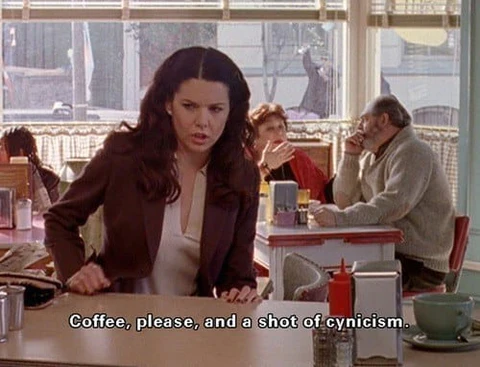
One of my all-time favorite shows Gilmore Girls centers around best friend mother-daughter duo Lorelai and Rory Gilmore. They share similar taste in music, movies, food, and clothing. They order too much takeout, consume a scary amount of coffee, and talk at a million miles a minute.

The show is funny, romantic and emotional, and the excesses don’t end with Lorelai and Rory. It merely begins there.

The maker of their favorite coffee, Luke (Scott Patterson), owns Luke’s diner. A town issue will up his grumpiness and ranting to the max.

Lorelai’s best friend Chef Sookie (Melissa McCarthy) is extremely clumsy, forgetful, and in love with her cooking.

Lorelai’s co-worker Michel couldn’t be more stereotypically French if he tried.

Town spokesperson Taylor is always annoying one poor soul or another with his demands, festivals, problems, complaints, etc… And when it’s not one or two people, he’s pissing off the entire town.

The town’s weirdest resident Kirk makes Phoebe from Friends seem sane and normal. There’s no job he won’t try, for one.

Lorelai’s next-door neighbor Babette is loud, loving, very fond of her cat and her husband, and doesn’t exactly know boundaries (but in a cute, warm way).

Last but not least, Lorelai’s estranged rich parents, Emily (Kelly Bishop) and Richard (Edward Herrmann) are excessively elitist, opinionated, lacking in empathy, and unappreciative of boundaries. Friday night dinners are a battleground. And both Emily and Richard are prone to tantrums that would make 5-year-olds facepalm.

Gilmore Girls is a quintessential feel-good comedy drama, and this beautifully written excess is one of the elements making it so memorable and addictive even after all these years.

*

Friends
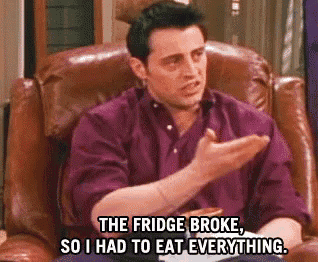
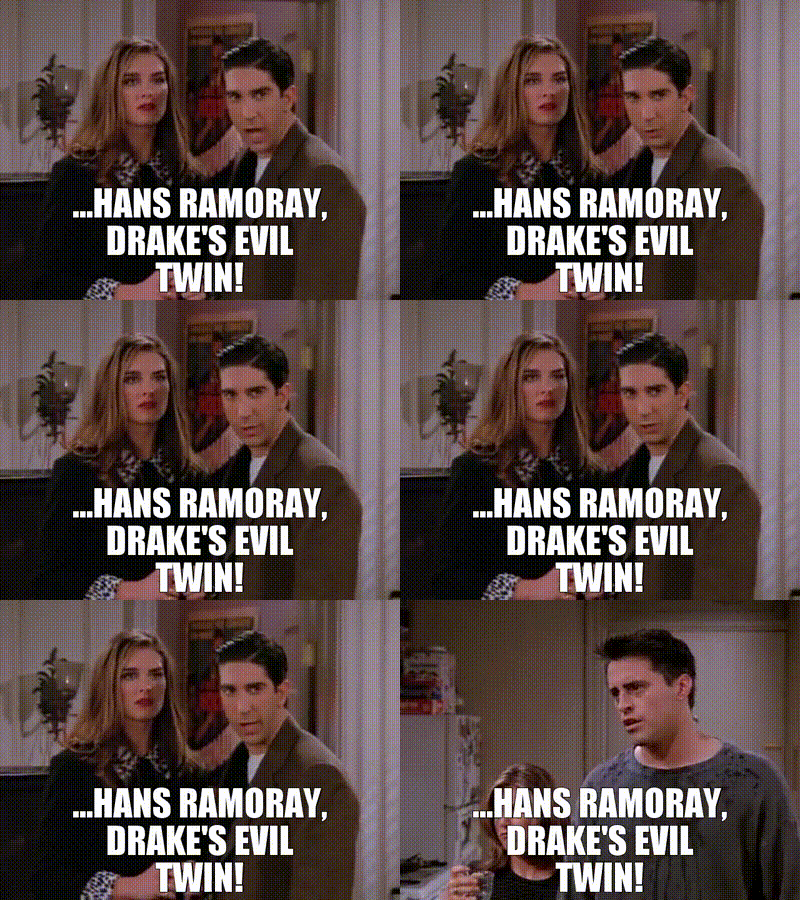
Actual footage and quote.

If you don’t think Friends isn’t funny, we can’t be friends. I’m kidding. Of course, we can. We probably shouldn’t watch a comedy together, though.

If Friends isn’t your kind of sitcom, pick yours. Sitcoms mine excess to hilarious results.

Whether it’s The Office, The Bing Bang Theory, How I Met Your Mother, or another show, you will notice the excess immediately.

In Friends, Joey (Matt LeBlanc) eats anything and everything. He covets food more than his own life, and almost as much as he loves sex. He is also very stupid. He is cute and loveable, but he likely wouldn’t survive long outside of a TV show. But there is an exception: If he’s trying to pick up a girl, his IQ suddenly spikes.

Initially, Rachel (Jennifer Aniston) is spoilt and clueless about the real world. As seasons progress, her remaining excess is her love for fashion and shopping.

Monica (Courteney Cox) is an amazing cook and terribly organized, clean, and competitive. She exhibits a love for cleaning that would prompt a psychological diagnosis. She once cleaned several cars in her neighborhood because they looked dirty.

Ross (David Schwimmer) is a massive dinosaur nerd. He gets excessively jealous when he dates Rachel, but outside of that, he is all about academia and dinosaurs and putting his friends to sleep.

Chandler (Matthew Perry) IS sarcasm. He is also hilarious. He manages to be extremely commitment-averse and afraid to be alone at the same time.

Phoebe (Lisa Kudrow) is just quirkiness personified. Bohemian, unique, and flaky, she is a lot of people’s favorite character.


*


Excess Examples in Movies

John Wick
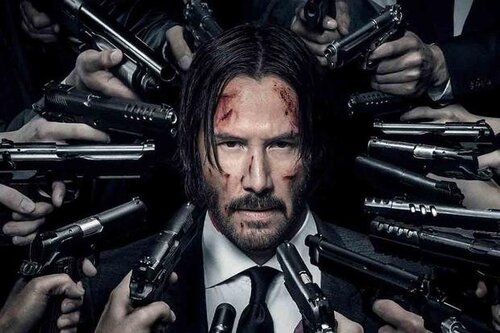
John Wick is very stylish and although bloody, it’s not too gory. Which is how I love my action thrillers.

Wrong John Wick (Keanu Reeves), and he will kill you. Even if you bring 100 people along. And we love him for it. Whether it’s guns, swords, hand-to-hand combat, or pencils, he will take you out. So don’t get in his way.

Any kickass action hero with kickass killing and survival skills fits here: Rambo, Robert McCall (The Equalizer), Lorraine Broughton (Atomic Blonde), Ethan Hunt (Mission Impossible), Jack Reacher (is a great example because Reacher was/is a book series first, movie and then TV adaptation), Bryan Mills (Taken, of movie and TV series fame), Duncan Vizla (Polar), Evelyn Salt (Salt), Mr. and Mrs. Smith (Mr. and Mrs. Smith), Cataleya (Colombiana)…

The list is long, but let me finish with Smith (Clive Owen) from Shoot ‘Em Up. Not only does the movie have a fantastic cast, action scenes, and a kickass rock soundtrack, but I’ll forever be grateful to have learned how deadly carrots can be in the right hands.

These people are deadly, but they will look after the people they take care about.

Excess Examples in Books

Pride and Prejudice
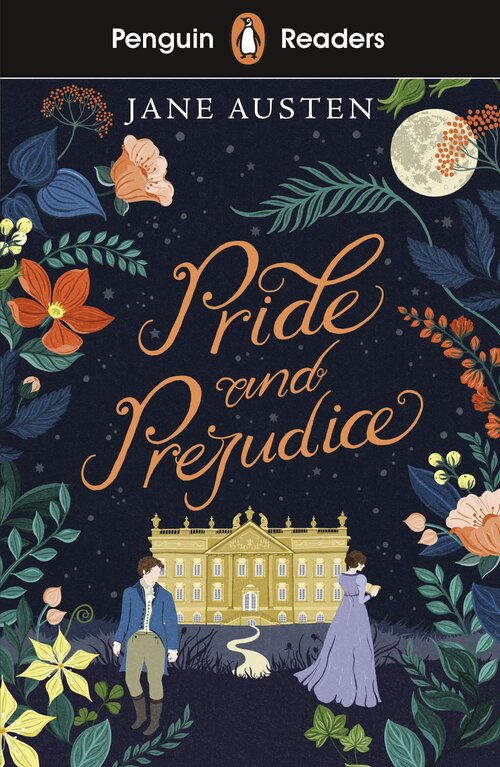
True to its title and theme, Elizabeth can be very prejudiced and proud. And so can the male main character Mr. Darcy.

Moreover, Elizabeth is incredibly modern and ahead of her time. She’d rather read and walk all day and night rather than conform to her society’s norms. Darcy is very introverted and prejudiced, so he comes off as rude.

But that’s not all. Elizabeth’s mother is so obsessed with marrying off her daughters, love and compatibility don’t even cross her mind. Collins’ lack of emotional intelligence and self-awareness are astoundingly hilarious.

A Change Would Do You Good
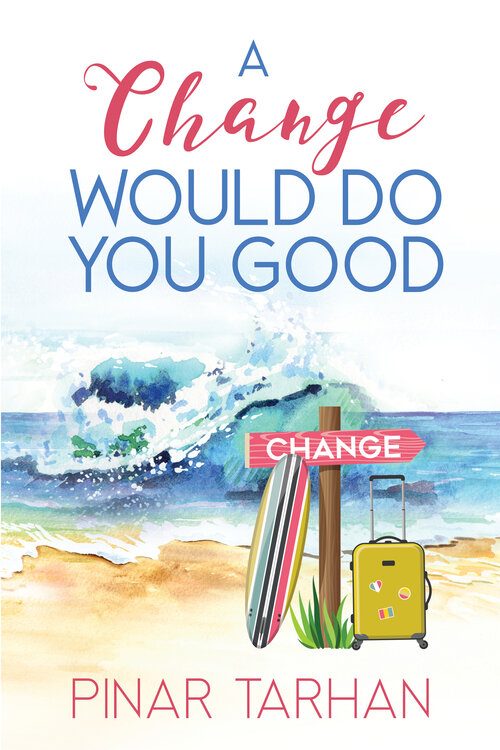
 

A Change Would Do You Good is a short, escapist rom-com trilogy, and is also the title of the first book in the series.

Excess in opposite directions works wonders for creating conflict.

My main character Janie is still recovering from a loss. She experienced true love and an amazing relationship, and she is certain she will never feel the same way about anyone.

On the other hand, her new neighbor Kevin has had a blessed existence. He is a top surfer, has never met a beautiful woman he couldn’t seduce, and has no interest in a romantic, serious relationship. Put these extreme ends together, and the sparks are electrifying.

But because this is an ensemble romcom novel, plenty of excess can be found in other characters: How well Ben and Greg’s lives are going vs. how much of a rut Linda’s in, Ashley’s apathy and disregard for others, the career Tom and Sam want vs. the career they have…

***

Love it or hate it, any successful work of fiction has excess. When you write fiction, it’s okay to go all the way with character quirks, tastes, and personality traits.

When you are reading or watching and the excess puts you off, it might be that you aren’t the intended target audience. And it’s okay.

For writers:

If you find yourself lacking inspiration, look at yourself and your friends. What about you/them seems strange/over the top to other people? What have been some of your weirdest encounters? Remember how life is often stranger than fiction, and you’ll have more material than you can handle.

***

What are your favorite excess examples in fiction? Let me know in the comments.

Filed Under: Fiction Writing, Writing Tagged With: character creating tips, character creation, character creation for fiction writers, fiction writing tips, gilmore girls, john wick, writing fiction, writing tips for fiction writers

Analyzing “The Identical Twins Switch Places” Trope through Netflix’s Thriller Mini-Series Echoes

Posted on August 22, 2022 Written by Pinar Tarhan

Image via theplasylist.net.

Normally, I hate the trope of twins switching places because this trope tends to have clueless people who never have an idea, and it features twins just wearing each other’s clothes and claiming each other’s names.

Whether it’s a romance or a thriller (two genres I see this trope the most), nothing makes me put down a book faster.

But I’m already paying for Netflix, and this series came with actors I love: Michelle Monaghan, Matt Bomer, Daniel Sunjata, and Jonathan Tucker.

And I was pleasantly surprised. While it has its flaws and not everyone enjoyed it as much as I did (it has a 5.7/10 rating on IMDB), I loved this series.

First, what’s this trope?

It’s two identical twins switching places for certain gain.

It seems more common (in fiction) for female twins to do this, and often there’s some sort of monetary, romantic or survival gain.

And usually, when the switch takes place, one twin is missing or dead.

Why do I hate it?

I find it quite unbelievable that two twins sound, act, dress so similarly. And I find it equally unlikely that no one around them who has been around them for years, if not all their lives, will be so clueless.

Fool one person? Fine.

Fool acquaintances and soulless corporate bosses? Sure.

Fool entire family, close friends, lovers all at once? Are you kidding me?

What makes Echoes different?

First, let me say first that Echoes is engaging, fun and batshit crazy at times.

But the twins take this switching business seriously. And as the seven episodes progress, we get good explanations on how they pull it off.

Echoes Plot (with some spoilers)

The fun thing about Echoes is that there are so many twists, turns and revelations is that I wouldn’t be able to remember all of them if I wanted to.

So while I will use a bunch of spoilers to explain why the trope works, give the series a try if you are intrigued by the premise. There will still be plenty of surprises.

Twins Leni and Gina (Michelle Monaghan) have been switching places since they were kids, and no one ever noticed.

At first, these were isolated instances to get each other out of trouble. But as they kept doing it, with the insistence and influence of Leni, tragedies, accidents, and worse started happening, and it became too late to do anything about it.

Or so they thought.

When LA-based writer Gina hears that Leni is missing, she returns to Mount Echo, the small town where they were raised. Here, Leni is married to Jack (Matt Bomer), and they run the farm together with Leni’s dad (Michael O’Neill).

Gina’s husband Charlie (Daniel Sunjata) is a psychiatrist who is more than understanding about their bond and how they need to be there for each other.

But as Gina grows more frantic to find Leni, she becomes haunted by the secrets they keep.

As we find out, they have been switching consistently as adults, each twin living one year as the other one, and then switching back on their birthdays.

They compare and inspect each new scar and freckle. They fill each other in on what’s happened in each other’s lives, in addition to the electronic diary they keep together.

But this time, Leni seems to have gotten into a lot of trouble. Her horse is found dead, and her husband suspects she is having an affair, and secrets keep popping out at every turn.

Can Gina save the lives they have both carefully constructed and shared…if in fact, this is Gina.

*

The Endless Conflicts and the Delicious Immorality of it All

Stories thrive on interesting conflicts, and Echoes offer plenty.

They are not just lying to friends, parents, and co-workers, which is terrible enough. They are also sleeping with each other’s husbands, and there is a kid who has an aunt who pretends to be her mother on a regular basis!

Pretty insane. There has to be something monumentally wrong with their psychology, right?

Don’t worry. There is.

Leni witnessed a major traumatic event when she was very young, in addition to a mother dying of cancer. Add her controlling, possessive and narcissistic personality (which might or might not have been caused by the trauma), and you can almost understand how unhinged she is. She copes by being a mother/wife/daughter/sister, co-running a dying ranch, and controlling her sister to the extreme.

Gina is sick of Leni’s behavior and influence. She’s been dubbed as the bad one due to choices Leni made, and she has been planning her way out. We sympathize with Gina a lot more, since she comes across more as a victim. Though considering the twins are the same age, height, and are of similar strength – and that Gina has carved a life outside of the town, no matter how much Leni tries to control it – there definitely have been better outs and courses of action than she has planned.

But I love that the writer makes it obvious that these sisters have severe psychological problems. Because no sane/rational/compassionate/ethical/empathetical person would go through it.

How come no one knew/noticed?

It’s explained that their mother could always tell them apart, but she died early. Their dad loved his wife and kids, and it’s safe to assume he never got over his wife’s death. And he mistook the trauma-sufferer for Gina. But he didn’t do anything. Which is of course his bad. As loving as he is, you’ll never forgive the dad for ignoring the trauma once you learn what it is.

Jack and Leni have been together since they were teenagers, and every time Gina wasn’t happy about being left out, Leni made them switch. And since they are really good at the acting, he didn’t really stand a chance as a teenage boy.

Their slightly older sister Claudia had her own trauma, in addition to their mother’s death, she never could see beyond her anger toward Gina, who she blames being paralyzed on.

Gina’s husband…well, he knew. And that was a good call on the writer’s part. While him knowing and going along with it raises a whole bunch of other issues on morality and ethics and his own mental state (in addition to the extra questionable action of having married a former patient), it is a nice touch. He has turned this into his own game/scientific experiment/coping mechanism.

So dive in for a lot of crime, lies, deception, and some more action.

And don’t worry. There are likable characters too. And while Leni and Gina have pulled some despicable stuff, thanks to Michelle Monaghan, you still can’t help but root for Gina.

And I love the character of Dylan James (Jonathan Tucker). I love a “bad boy” who is not a bad boy at all: You know, people see a leather jacket and a motorcycle and they freak out?

How to make twins switching places trope work

Just like when it comes to writing anything else, I’d recommend reading and watching tons of stuff with this trope.

Make a note of what you liked, and you didn’t like.  What would you make differently? Why?

Ask a lot of what-if questions. Give your characters, their motivations, and their answers hell. This will help you shed cliches and plot holes.

I recommend at least one character noticing the switch, and I also recommend the sisters/brothers really work on the pretense. Do they really sound/look/act the same?

One nice touch with Echoes is that Gina and Leni have different accents, and clothing/hairstyles. It helps that they are meticulous with scars and stories too.

Or, the other characters never know their friend/lover/etc. had a twin in the first place, which makes your job easier in most aspects.

If someone you love suddenly acts strangely, your first thought won’t be of an evil twin… unless of course, you are a writer/reader/watcher who has seen/read too much . 🙂

Wouldn’t the husbands know from how they are (in/out of bed)?

Here, one does.

One never had the chance to get to know them independently.

Make sure you have a decent explanation for people not noticing.

**

There you go.

Have you ever written a story featuring this trope? Do you have any favorite movies/TV series/novels with it? What makes them work for you?

Please let me know in the comments.


Filed Under: Fiction Writing Tagged With: echoes mini series cast, echoes mini series review, echoes netflix series, fiction writing, fiction writing tips, identical twins switching places, michelle monaghan, michelle monaghan echoes

7 Annoying and Repeating Story Tropes & Go-tos

Posted on June 9, 2022 Written by Pinar Tarhan

Some tropes, scenes, and character reactions are so prevalent in TV series, movies, and novels that they transcend genres.

They are everywhere, and I’m not sure anyone likes them or needs them.

These are not complete deal-breakers. If the thing you are watching or reading is satisfactory in other ways, you can let this go. But it’s tiresome to see them over and over again.

Read on and see if you agree.

– Characters who say “Speak English” to the tech geek; The Geek that babbles on forever

I first met my babbling geek in Marshall in the JJ Abrams hit Alias. That is my favorite show of all time (at least when we speak of the first 3 seasons), and I love that show with all my heart.

And because Marshall is my first babbling geek, I was fine watching him.

You know how the scene goes. Usually appearing in stories with sci-fi elements or action genres with spies using tons of gadgets, there is this brilliant geek. He/she is super nice and friendly. He talks more than you and your best friends combined, and he gives way too many details and uses so much jargon that he’s often told to speak English and/or cut it short.

For once, I want to see a well-adjusted, jargon-free geek who is not that excited about the gadgets. Like, where is this person? Please recommend me the fiction with this kind of geek.

Iron Man sort of side-steps this because he is also a handsome rich playboy, but he and Bruce Banner are in heaven together in Avengers: two handsome geeks geeking away and potentially boring the hell out of Thor, Captain America, and other non-techy folk.

Actually, more than the geek geeking out, my problem is the character who tells them to speak English.

We get it. You are cool. You don’t have time. You don’t care about the process. Maybe use another line next time.

– Feeling something intense? The Character throws up.

Has your character got anxiety? Stress? Disgust?

Have they drunk too much?

Or maybe you just want to make the audience laugh.

Great, but please don’t make your character shit their pants for comedy.

And please don’t make your character throw up for every time something major happens.

Seen dead bodies? Had a major traumatic moment? Got seasick? Got too drunk? Food poisoning?

I mean granted, I’ll give you food poisoning and too much alcohol, but you don’t have to show the contents of the stomach to me. The sound is enough.

I have gastritis. I have felt sick in the stomach too many times, and I’ve been hospitalized due to food poisoning. I have a sensitive stomach, folks.

Now, I am not that sensitive an audience.

I’ll watch murder mysteries and serial killer thrillers for breakfast, but please, stop making your characters throw up.

And if they have to, can you please just give the sound and avoid the visuals spilling out?

In case my advice has you feeling blocked, here are some other things that happen to your body when you are anxious/afraid/disgusted/hungover:

– lack of appetite/ too much appetite

– migraine/headache

– lack of sleep/insomnia/sleep full of nightmares and unintended breaks

– depression

– anger

-withdrawal from the world

– frequent colds (because your immune system gets weaker)

– breaking out in pimples/hives/cold sores

The human body does more than throw up as an intense reaction, is all I’m saying.

Also, how is everyone super fine after throwing up? But that’s another thing entirely.

– Tough guy/gal who strips off the IV and checks out of the hospital before the doctor drops by.

Ah yes. Who needs doctors and meds when (checks her notes) you were admitted to a hospital after a major trauma/accident/attack/fall?

The next scene usually is the character falling down/fainting or going about his/her way as if nothing happened two minutes ago, and is tougher and stronger than ever. In a Mission Impossible movie, I will allow it because we accept the masks. What is a little hospital escape?

But if you are putting this character behavior in the story, give me a person who at least acknowledges this is stupid. Or maybe tell us doing this is the only option:

Maybe they can’t afford the treatment, or maybe someone is coming to the hospital to murder them. Then by all means. Escape to survive.

But don’t do it just to make your character look though. If they have full medical insurance, supporting family nearby and they are fairly intelligent folk, this move makes them look horrible. Not cool, brave or tough.

– Character says “Hello?” to a potential intruder/murderer/creep/psycho

Ah, yes. The inexplicable urge of thriller movie/TV characters to greet their murderers. How quaint.

Come on! Why would you anyone do this? The answer from the other person is never going to be. “Oh, I’m here to kidnap you. I’m answering so that you definitely know where I am and you can get a better chance to run.”

Eye roll.

There are a billion things an anxious/scared/suspicious character can do and say if they suspect someone is where they shouldn’t be.

Sending greetings isn’t one of them.

And while there are necessary cliches in all genres, shouting hello to villains doesn’t qualify as such.

– Character 1 has a secret and wants to spill it. Character 2 doesn’t let them speak on numerous occasions. Character 2  gets pissed when they find out and say “Why didn’t you tell me?”

Another huge pet peeve of mine.

Characters with secrets are good story fodder. They cause wonderfully complicated conflicts. They threaten happy endings.

What’s not great, however, is the handling of the secret this way.

Here’s the situation as you read in the potentially too long subheading:

Character 1 has a secret. They want to come clean. But for some reason, character 2 doesn’t let them. Either they are too worried or too happy or too horny.

Character 1 is stopped a few times. And then when they finally get the chance to fess up or the secret comes out another way, character 2 is upset. “Why didn’t you tell me?”

Maybe because you never let them?

The revelation of a secret will always create conflict, but maybe we can handle it without the character 2 getting in the way of it too many times?

Because often, character 2 gets also upset the secret has been kept from them for too long when they’ve actively contributed to the length of the time the secret has been kept.

Not a huge deal, but maybe don’t make the secret-learner annoying.

– The character who never learns. Never. Ever. Ever.

One of my favorite crime thriller dramas now has fans fast-forwarding scenes with the female protagonist because she is a gold-medalist at never learning.

Now, if this was real life, her consequences would probably be not that big. We all make mistakes and we keep making them, especially the small ones. Because let’s be honest,  it is hard to change.

It’s hard to go against our own nature. And in the grand scheme of things, you can forgive yourself because how much does it really affect you when you constantly give in to something like bedtime revenge procrastination?

Here’s what’s happens during my revenge bedtime procrastination:

– I look at cute animals and funny memes.

– I receive the news from funny people like Trevor Noah so I’m informed but not depressed.

– I rewatch favorite scenes from films and TV series. And while they entertain me, they also make me a better writer.

– My dreams are super vivid and entertaining, with a more or less logical plot.

So yeah, my quality of sleep is affected a bit, but in the grand scheme of things, I am fine. Because, and I can’t stress this enough, I don’t live in a horror movie or a thriller.

Back to this crime drama/thriller character that I referred to: She has been driving us crazy because she constantly puts herself in mortal danger, risks her career and those she loves, screws up relationships and then gets super sad and upset.

Then all you can do is mentally do the disappointed sports fan meme.

It’s hard to root for, like, and emphasize with a character when everything is her fault and she damn well knows it.

This is one of the reasons I might not return to the show for its second season, even though I was one of its biggest fans for a while.

This is one example, but I can bet you can think of many characters like this. They create their own hell. They are not irrational or stupid once or twice. They are like this all the time.

How many characters, books, shows, and movies have you given up on because of this kind of character?

It’s one big annoying loop. Don’t do this to your characters, or your audience.

When the stakes are everything, let them learn. Let them get a little smarter.

Yes, characters shouldn’t be perfect. But their flaws should know some bounds.

– The character is smart only because everyone else is stupid, naïve, or both.

Smart characters are awesome. They are always up to something interesting. They fascinate, inform and entertain. But before you write your smart character, check if they are really smart.

Because sometimes a character’s “clever” ideas and plans are only working because other people are just too naïve or stupid. Then this just alienates the audience.

Of course, there are exceptions. But if your story is set in a cutthroat world, the people at the top didn’t get there by being idiots. Maybe one was super lucky or privileged, but it can’t be all the characters. And let’s face it, even if you are lucky and/or privileged, staying at the top takes effort and brains.

Twists are wonderful. So are evil villains.

But it really is more fun if the smart character is truly smart, and is not getting away with murder because everyone else doesn’t have a working brain cell between them.

**

So far, these are the tropes that I see often that make the stories fail or live up to their standards. Or at the very least, they give out a Deja Vu vibe so strong that the viewer & reader starts fantasizing what would happen if they got a penny every time they saw the same thing…

Do you agree with these? What are the most annoying and repetitive tropes and other things for you?

Filed Under: Fiction Writing, Writing Tagged With: annoying fiction tropes, fiction cliches, fiction writing tips, repeated tropes and things in fiction

Writing Fiction During A Pandemic: Should Your Story’s World Include The Current Reality?

Posted on March 26, 2020 Written by Pinar Tarhan

Writing during a pandemic
This awesome image is by Stefan Keller on Pixabay.

I have a short and relevant one for you today.

I saw (virtually, of course) a lot of writers discussing whether their current works in progress set in the present should include the realities of today.

And everyone will have their answer according to their taste, current mental state, themes in the story, storylines as well as what they want to accomplish with their work.

For me, the answer is a big whopping no. Not only am not including anything c-word related in my current novel, but I also don’t plan to change what I write afterward. Unless it is a dystopian feature or sci-fi where the story would benefit from my real-world experience.

Here’s why:

I write to entertain. I write to escape. I write to make people laugh, to put a smile on their faces, give them hope and make sure they have faith in themselves, their lives, and the world.

It doesn’t mean my stories don’t or won’t include harrowing conflicts.

In fact, the current novel I’m editing has plenty of real-world issues. It’s a romantic comedy drama featuring ensemble characters. Among other things, it has:

  • Loss of a loved one and grief
  • A severe anxiety disorder
  • Drug use
  • Prejudice
  • Feeling lost and hopeless in one’s career
  • Professional screw-ups
  • Blaming others for your mistakes
  • Failing romantic relationships.
  • Dysfunctional family relationships

Of course, because it is a romantic comedy, it also has:

  • Happy endings
  • Getting through loss and grief
  • Recovery
  • Making positive changes in one’s life
  • Realistic self-evaluation and changing for the better
  • Laughter, fun, partying
  • New and strong friendships
  • Reconnecting with old friends
  • Enjoying life to the fullest
  • Exciting romances

Now, I’d say it is fairly well-balanced. But despite being set in the real world, albeit a pre-pandemic one, notice what it doesn’t have:

  • Cancer
  • Alzheimer’s
  • Abusive partners
  • Sexism
  • Racism
  • Serial killers
  • Heart disease
  • Poverty
  • …..


The list goes and on. My point? No one novel is going to reflect the world as is – whether you are talking about good or bad. It’s impossible.

It would be a depressing, mundane, and mostly boring  20-part series where each novel is 7000 pages long.

*

That said, I’d like to underline once again that there is no one correct, absolute, universally valid answer to this question.

You have to make the right call for yourself, readers, and your story.

How am I going to write an R-rated romantic comedy with sex scenes featuring smart characters if my story is set during a pandemic? And as for writing about a post-pandemic world, we haven’t seen the end of this yet.

It would also beat my purpose of escaping and helping the readers escape with me.

While a lot of people are binging movies like Contagion, Outbreak, 28 Days Later, and Train to Busan, I’m avoiding those kinds of movies like the plague – despite having enjoyed Contagion and Outbreak being one of my 90s’ favorites. These are literally the last films I want to see right now.

The other day, I went in the completely opposite direction and watched A Thousand Words starring Eddie Murphy.

I laughed my ass off!

While some of its messages regarding family and relationships are on the nose, it is hilarious enough to make up for it.

And while the character shares none of our problems like not being able to touch people or going outside, I’d argue he has a worse problem:

He has 1000 words left to say or write. Once he says the 1000th, he will die!

Imagine that! Can you think of a worse fate for a writer? Especially if it is a writer who also loves to talk, like myself?

Since that movie is set in the literary world due to the protagonist’s profession, expect a review from me for this blog’s Writing Characters in Movies section soon.

Until then, read and watch what makes you happy.

And if watching outbreak movies make you feel better, keep at it!

What about you? How’s the current situation affected your fiction?


Related Posts Plugin for WordPress, Blogger...

Filed Under: Fiction Writing Tagged With: fiction writing, fiction writing tips, writing fiction, writing fiction during a pandemic

  • 1
  • 2
  • Next Page »

Blogroll

  • My Entertainment Blog

My Other Blogs

  • Beauty, Fitness & Style for the Fun-Loving Gal
  • Dating & Relationships in the 21st Century

Categories

  • Author Interviews
  • Author news and coverage
  • Blogging
  • Book Launches and Excerpts
  • Book News and Author Interviews
  • Book Recommendations
  • Book Reviews
  • Career Management for Writers
  • E-Book Reviews
  • Fiction Writing
  • Fictional Writers: Writer Characters in Movies, TV Series and Books
  • Inspiration and Motivation
  • Marketing
  • Marketing Fiction
  • Movie and TV Series Recommendations
  • Novel Reviews
  • Paying Markets-Web and Print
  • Productivity & Time Management
  • Recommended Resources
  • Reviews for Tools and Devices
  • Romance
  • screenwriting
  • Self-publishing
  • Story Conflicts
  • Website & Blog Reviews
  • Writer Tools
  • Writing
  • Writing Tools
  • Writing Updates

Copyright © 2026 · Focus Pro Theme on Genesis Framework · WordPress · Log in

This website uses cookies to improve your experience. We'll assume you're ok with this, but you can opt-out if you wish.Accept Reject Read More
Privacy & Cookies Policy

Privacy Overview

This website uses cookies to improve your experience while you navigate through the website. Out of these, the cookies that are categorized as necessary are stored on your browser as they are essential for the working of basic functionalities of the website. We also use third-party cookies that help us analyze and understand how you use this website. These cookies will be stored in your browser only with your consent. You also have the option to opt-out of these cookies. But opting out of some of these cookies may affect your browsing experience.
Necessary
Always Enabled
Necessary cookies are absolutely essential for the website to function properly. This category only includes cookies that ensures basic functionalities and security features of the website. These cookies do not store any personal information.
Non-necessary
Any cookies that may not be particularly necessary for the website to function and is used specifically to collect user personal data via analytics, ads, other embedded contents are termed as non-necessary cookies. It is mandatory to procure user consent prior to running these cookies on your website.
SAVE & ACCEPT