Addicted to Writing

Manage Your Freelance Writing Career While Writing What You Love

  • About Pinar Tarhan
  • Blog
  • Books
  • Hire Me: Services
  • Contact Me
  • Portfolio
  • Favorite Resources
  • Newsletter

How to Plot & Outline Your Novel Before You Write It

Posted on June 26, 2022 Written by Pinar Tarhan

What’s a plot? And what’s an outline?

Let’s get the definitions out of the way.

Honestly, I keep mixing these up forever, and researching what’s the difference between plot and outline didn’t make me see things much clearer.

But the way I see it, the plot is everything that happens in your story, including the subplots. And I outline to decide and see the order of what happens in the plot.

You can’t have a story without a clear, decent plot.

And the more of you you put in that plot the better so that we get fresh perspectives on things we have seen before.

What’s a plotter, and what’s a pantser?

There are writers who know what will happen in their novel before they start writing said novel (plotters), and there are writers who liked to be surprised as they go along (pantsers).

Then there are those in between.

I’m a plotter, so I’m a big fan of knowing what the hell will happen, to who, and why.

Now, sometimes, I don’t know all of the how. Like I might know a character will meet a romantic interest, and why meeting that interest is crucial to the main plot/theme. But if it is not a part of the main storyline, I might start typing before knowing everything.

But I start writing my novel with at least 70% of the outline/events planned. Some things can change. Some scenes might get edited, expanded or cut, or just plain reordered to make the flow and logic better.

You might argue several valid reasons for not plotting, but nominating your creative spirit, unorganized nature, or just chaotic existence, won’t get me to let you off the hook.

I have all of those things. I’m so messy, my workspace (and living space, if we are being honest) looks like people fought a battle in there.

Yes, I try to clean and organize when I can, but don’t have the lack of skill to make that orderliness last.

As for the inside of my head? It is worse.

My browser always has several different tabs open, and my brain is no different.

However, I love to plot, and I love to outline.

I love knowing (mostly) what will happen before I get down to write the novel.

This prevents quite a few things:

– Writer’s block

– Desperation

– Saggy middles

– Plot holes

– Deux ex machina

– Inconsistent characters

-And many other problems.

It simply makes writing easier.


How to Outline/Plot Your Novel (Like I Do)

Obviously, there is more than one way to plot your novel. Now, outlining and plotting aren’t exactly the same thing, but I’ll use them interchangeably here.

Because at the end: We’ll have the entire story order. We will know what happens, when and why, and even some of the most important things the characters say.

I’m not talking about writing the exact dialogue. Dialog is something that is up for editing till the last minute the way I see it.

But if your character says “I love you” in a romance novel, obviously that is integral to the story. You need to know where that goes.

It’s nearly impossible to have a romance without a big fight, or at least one giant-ass obstacle to keep your couple apart. You need to know what the fight is about and why, and you need to know where that fight goes.

That said…

You can change everything as you write.

You have an active, creative brain and a wild imagination.

You might have a better idea 3 hours, days, weeks, or months later.

But you might also not.

Your most important mission as a writer, should you choose to accept it, is to finish your first draft.

You can’t have a first draft written fast (or at least at a reasonable speed and not in several years!) if you don’t know what the hell goes on in your story.

What works for me might not work for you.

But generally, some things will work for a lot of people. So read what I do, take what suits you, and leave what doesn’t.

Maybe read a couple of other outlining methods as well. Experiment, see what works, and continue accordingly.

And if it works for you as a whole, all the merrier.

Let’s plot!

So for the purpose of this post, I assume you already have the basic concept of the story, at least the most important characters (the protagonist, antagonist/villain (depending on the genre), some essential supporting cast, and a general idea of what happens. You are also crystal clear on your genre (and subgenres, if applicable).

If you don’t, work those out yet. Before you try to do anything else.

You can write them down, or you can just remember them. The basic stuff tends to stay with me. You might have decided your tense and your POV at this point, or you might have not. You can decide after the plotting if you like.

Plotting Your Romance Novel

Let’s say you are writing a romance novel. You can answer these questions verbally or you can write the answers down. Do what works best for you:

So, you have two people falling in love.

  • Have they met before the starting point in the story? If not, how do they meet? Do you already know, or do you need to brainstorm?

In my first novel, Making A Difference (M.A.D.),  Zoe and Jay met five years before my novel’s first scene, and they have a secret.

  • How much do you know about your characters? And how much do you need to know?

Some writers know down to the name of their protagonist’s childhood pet even though the dude is 45 when we first meet him as a reader.

I’m not that kind of a writer.

But I do know:

  1. What makes my character tick?
  2. What turns them on?
  3. What turns them off?
  4. What is their general relationship with their parents like? Does their upbringing affect how they behave now? (It generally does.)
  5. What’s their personality like?
  6. What do they like/dislike? Do they have strong whys for things? Are they aware of their whys?
  7. What are their flaws? Are they aware of these flaws, and do they even see them as flaws?
  8. What does this character do for a living?
  • How do they react in certain situations? (You might not include this in the book, but knowing how a character would treat a waiter, a kid or an elderly person would tell you so much.)
  • Is your character likable, or do we need to *save a cat at some point? (*Refers to the coin termed by the late screenwriter Blake Snyder. It means we show the character doing something nice for another being so that we see their good side.)
  • Is your character consistent? Inconsistency might very well be a character trait, but you will need to establish this.

Bottom line: You don’t need to know every single thing about your character, just the ones that matter to the story.

If you are writing a murder thriller, and your protagonist’s private life is not even mentioned, you don’t need to know if this guy remembers anniversaries.

Obviously, there is no harm in knowing. But don’t use it as an excuse to procrastinate.

Relevancy is your friend. And it helps with keeping procrastination at bay.

You need answers for all your main and supporting characters.

Since this is a romance story, find out:

  • What makes them attract each other?
  • When/how do they know they have feelings?
  • How do they express/hide these feelings? Why?
  • In what ways are they compatible? In what ways are they not? (the character traits and likes/dislikes you decided on will tell you all you need to know here)
  • What are the tropes you are using? The tropes will tell you a lot about what kind of scenes/events/dialogue you will be writing.

Are they enemies to lovers? Friends to lovers? Is there close proximity? (If there is close proximity, how/why will that occur?)

You can mix-match tropes and/or give them twists.

When I first thought of my main character Janie in the romcom drama novel A Change Would Do You Good, I knew she was going to fall in love with her neighbor. She had lost her boyfriend eight months ago, and she would make some drastic changes to her life to get over this, including moving to a new city and getting a job at another company.

In romance, sometimes the guy the protagonist falls in love with after a loss is an awesome, supportive, understanding, empathetic guy who doesn’t mind waiting.

He doesn’t mind being the shoulder to cry on while they wait. (They mind, internally, which is quite human.) They are not pretending to be friends; they are genuine friends. The fact that they want more doesn’t take away from the fact that they want to see this person happy – whether it is with them or not.

You know, like the dreamy Jack from Virgin River. I do love Jack and the series.

But what if I make my guy insensitive, unempathetic, and so-not-down with being friends?

Now the road from neighbors to lovers will be super bumpy. And when they get together, it will be worth the wait.

Now obviously, my main male character isn’t a full-on jerk. Otherwise, why would we root for him?

For all the sex he has had with different women, he has never once cheated on someone for instance. That is an admirable quality.

He has never promised what he won’t deliver or pretended to be someone he is not. Also, admirable.

Obviously, he is hot.

He’s just lived a certain way, and now he has met a woman who is just as stubborn in her

ways. Her life experiences are completely different, and this will present a challenge he has never faced before.

So there is a bit of “opposites attract” trope going on, until they realize they are not opposites after all. This is not exactly a spoiler and since I tell just as much in the book’s blurb.

It is fun to watch a guy who goes from not used to being vulnerable to falling in love for the first time and dealing with that.

  • Will it be happily-ever-after (HEA)?

Depends on your subgenre, but a lot of romance readers want happily ever after. Some might settle for happy-for-now. And be very careful to set the tone in your story when you are writing a sad ending.

For a great happy-for-now ending, I recommend the 2010 movie Forget Me Not.

  • How will they get to the HEA? What will push them apart? Are we talking people? Situations?

Are the obstacles internal or external?

– How active are your protagonists in trying to accomplish their goals?

*

So, you have basically the skeleton of a romance. Let’s say it’s a male/female romance.

Plotting the romance of Joe and Eve

Let’s call our protagonists in this hypothetical romance novel Joe and Eve.

They meet after your novel starts. They sort of like each other. But there are forces that keep them apart. Maybe Joe’s ex is back in his life. Maybe Eve has a marvelous job offer waiting for her on another continent.

  • How close will Joe and his ex get? Will Eve get the job? How will you keep them connected despite the conflicts?
  • Will you make Joe’s ex likable? How?

Because if she is too unlikeable, it makes Joe look bad. We might even question Eve’s taste in men. If you make her too likable, your audience might be rooting against Eve. So, you need to make more decisions.

Note: But you will need to decide what is likable enough. You can’t write for everyone, and eventually, you will need to be confident about your decisions on where to take the story. Because some things are just not universal.

  • How will Joe and Eve fight? When, how, and how often will they fight?

They don’t have to be fighting all the time. One of my favorite romcom movies is Music & Lyrics starring Drew Barrymore and Hugh Grant. As a movie couple, they are not like Allie and Noah from The Notebook at all! There is not much fighting, and I love it.

  • When is the first kiss?

Or does it happen all the way at the end of the book? Will that make you happy? Would that make your readers happy? (Is this a clean romance?)

Also, you have options. Just because your couple shares one big kiss at the end of your novel, it doesn’t mean your romance has to be clean. Maybe there is a lot of swearing and partying. Maybe they are doing stuff with other people.

  • Will the couple have sex at some point? How much will you describe it? You can decide on the length of sex scenes and steam level much later. But knowing this will help you build/keep/resolve tension much better.

I call my romances semi-steamy. They are far too steamy to be considered clean, but next to certain steamy books, they are super clean.

Basically, my characters have sex, but I don’t get into too much detail about it. But you do see the foreplay. But I make sure you know they have sex.

There is also a lot of making out and clothes have a habit of coming off. So like I said, semi-steamy.

  • What happens if they have sex? How do they handle it? What do they do the morning after?
  • Is one of your protagonists more mature and/or sensitive than the other? (Which leads to conflicts.)

Are they both putting in the effort? Generally speaking, we want people at similar emotional levels, and we want equal efforts. If Joe is conquering a new civilization just to show his love but Eve’s forgetting even his birthday…this might not be a match to root for after all.

  • Are your characters realistic? Very few people are purely angelic or evil, so choose your flaws and damage well.
  • Have you brought your own voice and style?
  • Where /when/how does the (happy) ending take place?
  • Do you have enough conflicts in the way?

Pay attention to the conflicts. Enough is the keyword here. Make it too easy, readers lose interest. Make the conflicts unbelievable, uninteresting, or too many/much, readers will lose interest.

For instance, if your characters can’t communicate openly with each other for the whole book, you’d better present solid reasons for the lack of communication skills.

You don’t want a reader to go “OK, none of this would have happened if these two idiots had a meaningful conversation in the first place.”

You don’t want stupid characters.

Yes, it is hard to tell someone how much they mean to you. But if it is painfully obvious they feel the same way, you’d tell them unless…

Unless maybe they are your underling, and it has severe consequences and you love your job? Maybe you are both adults but the age difference is giving you pause? Maybe there are cultural differences that freak you out?

Maybe you are so painfully shy and/or you’re so emotionally invested that you can’t be sure you’re reading the other person right?

Maybe they are giving you mixed signals? (You do need to make sure you have a good reason for the mixed signals, though. You don’t want a protagonist coming off a manipulative jerk.)

  • Are there significant others?

In this case, be careful where you take the story. Will there be cheating? Cheating characters are hard to forgive or root for in most romance subgenres.

So generally speaking, not should Eve and Joe not cheat on each other, but they shouldn’t cheat on other people with each other.

*

Caveat:

What I say covers a lot of romance novels, but not erotic romance and dark romance. They play by different rules.

But while cheating and just being with each other might not be of concern in a subgenre, you still need to answer most of the questions I presented in this long post.

*

What now?

I gave you a lot to think about, didn’t I? There are obviously many more things you can explore, but knowing the answers to these questions will give you a solid start.

You might be saying… Damn, Pinar! If I knew the answers to all the questions, most of my work would be set for me.

Yeah, that’s the idea. So that writing your first draft (and your following drafts for that matter) becomes more fun and less torturous.

If you don’t know the answers to all or most of these questions, please bookmark this post and come back when you do.

Are you with me?

Good.

Now that we know the answers, we write them down. With as much detail as we need. This will depend on the person, story and even genre.

Now imagine the when and where for each scene. At least, decide on the most fundamental scenes.

Do they meet in a café shop? When? How? Where? Why?

Do they take each other’s numbers? How? Why? Why not?

When do they meet again? Is it planned? When/how/where/why?

You do this for every scene/story part you decided.

If you only know that they are two strangers who meet in a coffee shop only to find out later that they are neighbors or co-workers, write this down.

So you move on where they see each other later:

Second meeting: Office, early morning, funny.

Third meeting: Huge misunderstanding, first fight

Fourth meeting: Christmas party, first apology, first friendly conversation since meeting.

(If you know how these conversations roughly go), add it in. If you thought of a clever liner, or know how the dialogue should go, take notes.)

Even if you are writing a romcom, you think of something hilarious, write that. You can even just write “funny thing happens”, and find out what that thing is much later.

If all you think of are cliches at the moment, choose that cliché as a placeholder and change it later.

Do this until the end.

Type the end.


Ordering the Events: Outlining

You can use an online program, flashcards, normal notebooks, Word,…whatever works.

I tend to write on paper first. If I need to see everything in one place, I also use flashcards.

Pieces of paper also work. Just cut stuff off. You don’t need fancy stationery all the time.

I use a physical notebook, Word, and the free version of Trello.

Trello is a super friendly online software. It’s a super user-friendly list-making application. There are even color codes if you need them.

Organize, rearrange, and edit as needed.

Add more scenes. Cut some. Add more.

Get in a groove.

It’s okay to start typing your story’s first draft even if you only know about 30%. You can know %95. It might change much or it might change little. It might stay about the same.

The idea is to give you a strong, confident start with a basic map. The map can be as advanced and detailed as you want it.

What if you found that plotting and outlining aren’t for you?

And if you found that outlining/plotting doesn’t work for you at all.

No hard feelings. You just discovered something really important about your own working/writing style. This will help with your productivity.

I personally like to start typing when I know at least a few things by heart.

I’m currently working on two novels. Both are romcom dramas. One is a sequel to my second novel A Change Would Do You Good. The other is standalone.

With the standalone, I know about 70% of the story. All the characters, major events, some crucial dialogue, and most of the scenes are there. So I started typing my first draft.

With the sequel, which is called A Change Would Do You Better, I knew about 60% of the story. I started that too. Now, I’ve got to write two more scenes and expand on the descriptions before I finish the first draft.

But when I was writing my debut novel Making A Difference (M.A.D.), I knew about 97% of the story. I was venturing into a new format (from screenplay writing to novel writing), so I needed my roadmap to be more comprehensive.

What to do if you’re overwhelmed

If this feels confusing and overwhelming….

Pick a novel or movie you like.

The only condition? It has to be as similar in tone as you can manage to the novel you are planning to write. And it has to be in the same genre.

Great.

Answer all these questions in this post according to that book or movie.

To internalize the process, you can do it a couple of times with different movies and books.

You will see things will become almost automatic.

May plotting muses be with you.

Parting Thoughts 

Doing research is fine. Getting lost in information overload is not.

Pick a couple of articles that you feel are the most helpful. Eliminate the ones you feel aren’t right for you. And get to work. You can combine tips and tricks to create your own method.

There’s really only one rule: You need to start writing at one point. And the sooner the better.


Filed Under: Fiction Writing, Writing Tagged With: how to outline a novel, how to plot a novel, how to write a romance novel, why you should be a plotter, why you should outline your novel, writing with an outline

Book Launch: How to Write the Ultimate Non-Tragic Romance

Posted on June 18, 2020 Written by Pinar Tarhan

I wrote another book!

Currently available in only e-book form, you can have my latest book How to Write the Ultimate Non-Tragic Romance for free. It’ll be free on Amazon Kindle from tomorrow till 24th (it’s over on the 24th!)

You can also reach out to me for the next five days and get the pdf for free as well.

What’s the book about?

The book is all about creating an amazing romance with a happy ending.

So basically, say goodbye to tragic diseases and other situations that end in death.

I’ve made a couple of exceptions for when even the happy-ending, happy-story-loving folk like me will forgive you for an “unhappy” ending and dead characters.

The book talks about many romantic comedy and romantic drama movies, as well as including other genres in your romance.

The reason I go over movies in the book is simple: You’ve either watched them or heard about them. Several are already on Netflix and other streaming services of your choice. Some are available in full on YouTube.

And even if you saw them a while ago, you can hop on to the movie’s IMDB page for a refresher or YouTube for the trailer.

For romance writers and romance writing enthusiasts, it’ll be much faster than reading a book from scratch and then analyzing the elements.

That said, if you want to write great romance novels, you need to read romance novels.

I’ve included a short list of some of my favorites in the book. I’ve also mentioned which of the movies are based on novels, so you know the book came first. Even if you watched the movie, it’d be a smart move to read the book as well.

And if you need help with finding an idea, deciding on your publishing path, getting started on an author platform and such, you can read my book “How to Write an Amazing Romance Novel.”

Here’s what Writing The Ultimate Non-Tragic Romance covers chapter by chapter:

Why You Might Want to Write a Non-Tragic Love Story

My Favorite Romcoms

Writing a Romcom or a Romantic Drama Where Romance Isn’t the Priority

Romantic Dramas with Happy Endings

Going Outside of Hollywood: Turkish Romcoms & Romantic Dramas

Exceptions: When Your Audience Will Forgive You for Killing Your Characters (even if they ultimately prefer happier stories)

Writing a Happy-for-Now Ending

When to Give Audiences What to Expect and When to Surprise Them

How to Start When You Feel Blocked, Overwhelmed or Clueless

The Most Important Thing You Should Do (Other Than Writing)

Overused Tropes

Realism vs. Escapism

A Word on Real Life Ethics/Values vs. Fictional Storylines

Screenwriters I Recommend Becoming Familiar With

Romcom Novel & Author Suggestions

A Note on Diverse Writers and Characters

Key Takeaways

*

While my book on writing an amazing romance novel covers all romance writing efforts, this book focuses on creating a healthy, happy romance with a satisfactory, pleasant ending.

More on the Author

When you come across a reference book, it is only natural to wonder who the author is and why she knows what she is talking about.

  • I’m a romantic. I watch romantic comedies and dramas at such a speed that Hollywood can hardly keep up with me. And I frequently go outside of Hollywood to find more.
  • I’m an experienced writer. I’ve been creating fictional stories for a long time. My screenplays have placed in contests, and I specialize in romance.
  • I’m a romance novelist. My first novel Making A Difference (M.A.D.), a contemporary romantic comedy set in New York, is available on Amazon. I’m currently working on my second novel, a romcom drama set in California. I also have other romantic novels and screenplays in different stages of progress.

*

Want the pdf for Writing the Ultimate Non-Tragic Romance for free? You can reach out to me via the comments on this post or my Twitter to ask for the pdf until the 24th of June.

Happy reading!

Filed Under: Fiction Writing, Writing Tagged With: how to write a happy romance, how to write a romance novel, how to write romance

6 Ways to Find and Develop Your Romance Novel Idea: Free Chapter from How to Write An Amazing Romance Novel

Posted on December 6, 2019 Written by Pinar Tarhan

Hey fellow writers!

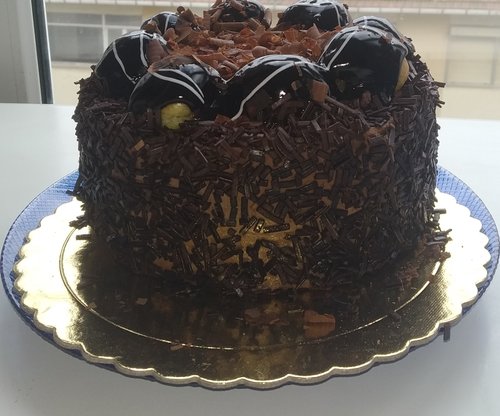
My birthday gifts continue. My official birthday is tomorrow, but I already had one delicious chocolate cake yesterday.

My chocolate profiterole cake. Yum.


For the last three days, I’ve posted the first three chapters of my romcom novel Making A Difference (M.A.D.) (aff. link). Chapter links are below:

  • Chapter 1
  • Chapter 2
  • Chapter 3

For romance writers, I crafted How to Write an Amazing Romance Novel.

If you want to get a taste of the book before you buy it, here’s the chapter on finding and developing your romance novel idea.


Finding the Idea: 6 Ways to Find and Develop Your Romance Idea

Sometimes it just comes to you, and everything’s just right. Often, the idea needs to be tweaked a bit. But there will be occasions when you’ll need to fight for it. You’ll only find a concept worth writing about by digging deep, which might include some long and frustrating brainstorming sessions.

  1. When it comes to you

The idea for Making A Difference (M.A.D.), my romance novel, came to me during my second year in college. I was sitting at a Public Relations class taught by this famous professor who was a PR legend in my country. She was in her late seventies, early eighties and shared fascinating true stories. One story stood out in particular, and she became the basis of Faye, a cool supporting character whose influence shaped my romantic hero into the man he is.

My hero Jay, aka the male protagonist, was partly inspired by this other great teacher I had the year before. Here’s the funny part: They don’t really resemble each other. The one thing they had in common was how entertaining, informative, and engaging their lectures are. I loved this teacher so much I’d drag myself out of bed for his classes, come hell or high water, bad health or sleepless nights. I felt betrayed when we ended up getting only one class from him.

College is a time when a lot of students develop crushes on their professors or TAs. While I didn’t develop a crush on a teacher, I had several friends who did. And I wondered what it would be like if I had. What if there was a teacher who I was so attracted to that it distracted me? And wouldn’t it be complicated if that teacher was attracted to me too?

But professors having affairs with students is not exactly fresh, or very romantic, is it? Think about it. There is a power imbalance. There is usually an age difference. And the yuck factor is high if the teacher is married. The yuck factor intensifies if this teacher has done it more than once. Now you, and potentially your readers, have zero respect for both of your main characters.

But what if…this teacher was so not happy with his feelings for his student? What if he wasn’t a full-time teacher? What if he went out of his way to avoid his feelings? What if the student was extremely passionate and believed in following her heart no matter what? What if the age difference was minimal? What if he was obsessed with ethics and walked the walk? What if they were both single?

Now, you have no reason not to root for your characters. Sure, it is still awkward and difficult, but it could happen to you. Have you never been attracted to someone you shouldn’t be attracted to? Is ten years of age difference really that bad when it comes to love? And you have created a ton of internal and external conflict by making characters’ personality and values differ from each other.

So Making A Difference (M.A.D.) was born:

“Everybody loves Jay. He’s that humanitarian PR guru who doesn’t live like the rich and runs a profitable company so that he’ll have more resources to help people. He defines himself through how much he and his company make a positive impact.

He’s engaged to a gorgeous CEO whose purse collection could feed the homeless in NYC, but he’s only human.

If anyone notices the irony, it’s Jay’s new partner Zoe. 10 years older than her, Jay is the reason she studied PR. So when Jay’s business partner/best friend takes a less pressuring position, she’s delighted to return to the firm she interned for.

But Jay and Zoe have a big secret: 5 years ago, they fell hard for each other. She was a student at NYU where Jay was a lecturer. To Jay, his legacy was everything, and he’d never risk his reputation by dating a student. Moreover, he’d die before he let Zoe ruin her career. She is furious he doesn’t take the risk for them. She even leaves the country for a year to get over him.

And now she’s happily coupled-up with lovely writer Colin.
Colin detests Jay, and he doesn’t even know the entire story. Zoe’s upset Colin’s turning into a whiny jerk, but he’s the first guy she has felt strongly for in a long time.

Jay can no longer dismiss his feelings as nostalgia, but Zoe’s still furious at him. And the last time he tried to fix things, she left the company and the country. And now that the stakes are even higher.

Will Jay be able to follow his heart even when improving the world seems easier?”


How the what ifs and following questions came together

So Jay Clark, my male protagonist, became the grandson of a PR guru, the co-owner of a successful PR company and humanitarian who was dedicated to making the world a better place. There is no catch, no hidden agenda. He just wants to improve the world – and he does so by helping as many people as he can with healthcare, food, and shelter. He is a workaholic who defines himself through his work, so he doesn’t really care much about dating or romance.

I have read and watched too many characters who care about their reputation and will do anything to protect it. What makes Jay different is that he avoids doing anything that might harm his reputation in the first place. If you have nothing to hide, it’s much easier to avoid a scandal.

So if he doesn’t pursue his romantic interest, how do you get them to spend time together? By making them mentor/mentee, boss/employee, and really good friends. This is contemporary romance. The novel isn’t set in the 20s. It is expected to see professors hanging with their students. So it is both heaven and hell for these characters to be together all the time (and they want to be), but not being able to actually be together as a couple.

How do you throw them together after college is over? How do you create new (or redefine former) obstacles to keep them apart?

Another common thing to do is giving your main characters other love interests. Nothing complicates things further than other significant people.

They don’t live in a vacuum, and the purpose of their existence isn’t just to find love or to be together. The trick is to get them to be with these other people without making their feelings for each other seem less special. But also you don’t want your main characters to come off as completely selfish jerks. You want them flawed, but not as heartless or cruel.

But how much your characters can get away with, how much they can be forgiven for depends on the world you created and your own values. If you are going to have your characters commit adultery or murder, for instance, you better show us damn good reasons for us to still root for them. Most of us flex our values and morals for fiction, especially if you give us enough redeeming circumstances.

Let’s take adultery. I am, as a person, 100% against the concept. I’m so against it, in fact, that when someone forgives a cheating partner and stays with them in a story, I’m immediately turned off. But there have been some exceptional fictional examples that inspired me to start a fun blog post series called “When Adultery is Okay.” On my entertainment site pinartarhan.com/blog.

For instance, in the movie Revenge (based on the novella by Jim Harrison), Kevin Costner falls in love with (and of course has sex with) the wife (Madeleine Stowe) of his friend (Anthony Quinn). Gross, right? Who does that?

But his “buddy” is a much older, ruthless Mexican mobster. His wife is totally trapped. And have you seen the younger Kevin Costner? You can’t help but want the star-crossed lovers to be together.

And with this example, let’s look at the other side of the coin, the characters our protagonists are with now – the Mr./Miss Right Nows. While stories like Revenge give the hero and heroine a clear out, you need to check if it is not too easy. So easy, that it might backfire.

Let me tell you what I mean. In the Revenge example, there is no contest between Anthony Quinn’s character and Kevin Costner’s. If the current significant other is such a jerk, it only makes sense that he loses the girl. But here are two things the writer did that avoid clichés and easy-way-outs. For one thing, Madeleine Stowe’s marriage was not arranged. She wanted to marry him. He was charismatic, wealthy, impressive. We are pretty sure he promised a gentler, kinder future where he didn’t have mistresses. (Oh, yes, he cheats too. What a prize!) The second is that you understand why she hasn’t tried to leave him. How can you divorce a powerful mobster? So dumping the guy isn’t an option.

But in most modern settings and sub-genres, this doesn’t work. When you want to offer your readers an escapist fantasy rooted in realism, when you want to write a feel-good romance, you don’t generally write abusive or dangerous partners. You create characters that are not impossible to leave. And since the character isn’t dangerous, there is no good reason your main character stays with them:

Suppose you created strong heroes and heroines who are nice people at their cores. They don’t use people for their own pleasure. They are emotionally intelligent.

Then why would they stay with an annoying partner who doesn’t value them? Why would they waste their time? When you make their current romantic partner insufferable, you make it easy for your reader not to feel sorry for them. But if they are so insufferable, why is your strong, self-respecting lead with them?

A better option would be to make the temporary love interests human too: flawed, but lovable. So that staying doesn’t seem like a cruel, stupid or unnatural thing to do. But don’t make them more loveable than your main character, obviously.

I know, writing can be so complicated!


How to wire your brain so that ideas will come to you 

I can hear some of you shaking your head and saying “Yeah, that’s just great, but ideas don’t just come to me!”

Maybe they don’t. Maybe they do, and you don’t recognize them yet. In any case, here are some tips to stimulate your brain so that it creates, captures, welcomes, and stores ideas:

  1. Live your life to the fullest to the best way you can. This doesn’t mean you have to do things out-of-character or things that make you uncomfortable, although that sometimes helps as well.

Traveling inspires. If you can’t afford to venture far, discover more things to do in or around your neighborhood.

I don’t think my current novel idea would have come to me had I not spent a month in Santa Barbara, California. I created that novel as a screenplay at first. While I was getting notes from a professional reader in Hollywood, she asked if I was from California because I had captured the atmosphere so well.

Take that dancing class. Go to that language course. Meet up with that friend you haven’t seen in more than ten years.

Live! Live, especially when you are healthy and you have some money. When

you need to do less due to work, health or financial reasons, the stored up fun from your past will come to you as inspiration.


  1. Read. Listen.

The news. Memes. Books. Blogs, magazines, newspapers, comics, graphic novels, spam emails….Whatever comes to you, read, learn, forget. You never forget the most useful stuff. And if you want to make sure you remember a certain something, take notes.

I’m not a fan of reality TV. I don’t think reality shows will inspire you to create anything unless you are interested in conjuring up reality shows or stories featuring reality shows.

That said, everyone is different. If it is fun for you, go for it. Just don’t forget to watch other stuff too. Variety is key. I rarely watch documentaries (though I’ve watched some magnificent ones), and I’m not a fan of gory horror. Besides those, I watch anything and everything that seems interesting.


  1. Learn, even if it is trivia or obscure.

While one of my ideas was inspired by a true event (an inspiration source I go into detail about in Section 4: True Stories and Memes), it wouldn’t have been possible without my intensive trivia knowledge of rock music, particularly about rock music history in the 80s and 90s).

I have always been a huge rock fan. Writing that story was second nature to me. When you already know so much, writing, researching and developing your story all become easier.

It might also make sense to incorporate some of the real-life events into your characters’ dialogue. If your characters first meet during the grunge scene in the 90s, it’d make sense to have them talk about Pearl Jam and Nirvana, even if you made up the main musicians and songs for your story.

Juliet, Naked (aff. link) is a 2018 movie starring Ethan Hawke and Rose Byrne. Based on Nick Hornby’s novel, it’s a charming romantic drama and comedy about a 40-something woman re-evaluating her life choices through her boyfriend’s obsession with a former famous rock musician.

The musician character played by Ethan Hawke feels so authentic. While it is a credit both to the actor and the screenwriters (and of course, Nick Hornby), it’s hard to imagine Hornby wasn’t inspired at all by what happened to some real-life musicians when he created the story.

You can watch the Juliet, Naked trailer on YouTube.

You don’t have to give two hoots about music. Your passion might be about football, knitting, racing, or gardening. Your knowledge about your interests might spark your imagination, as well as add authenticity to your characters.


  1. Dreams… and Nightmares

I dreamed about the current romantic comedy-drama I’m working on. Set in Los Angeles, it’s about the unconventional relationship a disgraced actor forms with a fan. I took the plot of the dream, added a supporting cast, and some minor characters. I included some personal experiences and real-life struggles and expanded on it.

But the idea came within the dream.

When I woke up, I remembered it vividly and enjoyed it immensely, so I started taking notes. Before I knew it, I had my next story.

I also recently dreamed this weird sci-fi, dystopian romance I’m trying to differentiate from others of its kind, but I quite like the bare bones of the story.

Unfortunately, I don’t always dream writeable-plots. More often than not, it is ordinary stuff featuring people I know in real life. Sometimes they are so weird even director David Lynch wouldn’t use them in a film. But once in a while, I wake up all inspired, thanks to the dream muses.

But you can also take the other definition of dreams and run with that.

For instance, what did you dream about becoming growing up? Maybe you wanted to be a doctor but you hated science classes, or the sight of blood made you nauseous. Maybe you desired to be a pilot, but your eyesight prevented you from realizing that. There is no reason your characters can’t fulfill your dreams and fantasies for you. Even the sky isn’t the limit when you are writing fiction.

What about nightmares? What are your greatest fears? Maybe you are secretly terrified of being accused of something you didn’t do and being sent to prison for it. Perhaps your worst nightmare is being kidnapped by some lunatic and being tortured.

If you are thinking one nightmare doesn’t make a story, or you are not satisfied where this line of thinking got you, why not combine the elements?

What if you were a doctor wrongly accused, and then you emerge from prison a different person and decide to kidnap the people responsible? Or maybe you just got out of prison, and to add insult to the injury, you got bitten by a werewolf? What if the accuser was a vampire and had a good reason to sully your good name? It could be a dark, Stockholm Syndrome-y story.

Don’t be afraid to brainstorm. Bad ideas will come. So will good ones.


  1. Speaking of bad ideas: sometimes a tweak in the right place is all you need

The first romantic comedy story I thought about was a love triangle. But the happiness of inspiration was overshadowed by disappointment. It was cliché. It didn’t feel worth pursuing. But there were too many things about the storyline that I had enjoyed, so I decided to reverse one situation. It became funnier and a lot more romantic. Then I gave it one more twist, and voila! It turned into something I would be happy spending so much time with.

Tweaks can include anything from changing the location to altering jobs of characters, from transforming how characters feel for each other to reversing personality traits…anything goes. Change anything and everything until you come up with a central idea that you are happy with.


  1. True Stories and memes

I’m co-writing a screenplay inspired by two funny memes we saw on the Internet.

And one of my favorite romantic stories that I wrote as a screenplay, which will probably be my third or fourth novel, was inspired by true events.

Now, the story inspired by true events is not related to what happened in real life at all. I just thought of a tragic event, reversed it with a “what if this  happened instead of that” question, and imagined my own reaction if that tragic thing had happened to someone I was a fan of. And jackpot!

If you are basing your novel on actual true events, however, I recommend doing your research on not getting sued. Here’s some initial reading on the matter:

How Not to Get Sued When Writing about Real People (article on LitReactor)

A Writer’s Guide to Defamation and Invasion of Privacy (article on Writer’s Digest)


  1. Brainstorming from scratch…. or prompts 

We talked about using your own dreams and nightmares. You can mine your experiences, what you would change in books you felt meh about, endings you never got to see, but you wish you had…

However, if you are feeling stuck and nothing seems to help, it might be time for writing exercises. Many writing websites offer free prompts and methods for stimulating your brain. My favorite so far has been “The Blank from Hell” exercise suggested in ScriptMag.

The “blank” from hell can be used for any genre, and it is a fun and creative way to create any character, especially your antagonist.

You can use it for animals, locations, jobs, relationships and so on.


  1. Being Inspired by Popular Works and Writing Parallels

If a creative work is public domain, it means it’s not protected by intellectual property laws. It belongs to no one. Because it doesn’t belong to one person, anyone can use a public domain work without getting permission.

This is how it was possible for Seth Grahame-Smith to write the novel Pride and Prejudice and Zombies (aff.link), a highly successful twist on the Jane Austen classic. It was even made into a movie in 2016 starring Lily James as Elizabeth Bennett.

You can watch the movie trailer here.

Now, instead of a romantic comedy, you have a romantic horror story with a lot of kickass fight scenes.

If you want to use this method for creating your story or finding inspiration, check out this list of public domain works.


Other True Stories of Inspiration from Published Romance Authors

Carmen Radtke

Carmen Radtke fell in love with romantic comedies as a child in front of a TV set. Katharine Hepburn and Cary Grant, Audrey Hepburn and Peter O’ Toole shaped her sense of adventure and love of foreign places as well as her expectations in witty dialogue. Because real life turned out to be sadly lacking in this respect, she’s recreating her ideals in The Case of The Missing Bride, and A Matter of Love and Death. More novels are with her agent, and she’s also busy trying her hand with screenplays, encouraged by cat and daughter.


About The Case of the Missing Bride

When a girl goes missing on board of an ocean liner, only one person is convinced that the disappearance is no accident.

Alyssa has found herself with a group of impoverished girls who are embarking from Australia to Canada in the hope of marriage. As the daughter of a senior official, Alyssa doesn’t share this goal. She hopes to return to England via Canada.

But the girls all share one problem. Their presence on the ship is not known to many of its passengers, but their worlds collide when one of the gentlemen discovers them. Then Emma, one of the intended brides, goes missing. Alyssa is convinced the disappearance is no accident and will risk her own life to search for the killer.

What happened to Emma? Is there a murderer on board the ship?

Alyssa is about to discover that there is more to her voyage than she bargained for.


About A Matter of Love and Death

Adelaide, 1931. Telephone switchboard operator Frances’ life is difficult as the sole provider for her mother and adopted uncle. But it’s thrown into turmoil when she overhears a suspicious conversation on the phone, planning a murder.

If a life is at risk, she should tell the police; but that would mean breaking her confidentiality clause and would cost her the job. And practical Frances, not prone to flights of fancy, soon begins to doubt the evidence of her own ears – it was a very bad line, after all…

She decides to put it behind her, a task helped by the arrival of their new lodger, Phil. Phil takes her to a nightclub, where she meets charming but slightly dangerous club owner Jack. Jack’s no angel – prohibition is in force, and what’s a nightclub without champagne? But he’s a good man, and when Frances’ earlier fears resurface, she knows that he’s the person to confide in.

Frances and Jack’s hunt for the truth put them in grave danger, and soon enough Frances will learn that some things are a matter of love and death…


Carmen Radtke on How She Found the Inspiration for Her Books 

“ While researching The Case of the Missing Bride I read that Australia was only topped by Germany when it came to unemployment during the Great Depression. I didn’t know that. I read up on the prohibition after 6pm, and since I’ve always loved the Thin Man movies and 1940s movies, I had this idea of a girl supporting her whole family, so she has to do whatever it takes to not jeopardise her job, and a decent guy feeling the same kind of responsibility. Jack breaks the law because he’s a good guy… I took it from there, with the added bonus of Uncle Sal turning up unplanned, but fully formed, as the connection between Frances and Jack’s worlds. It’s very much a homage to classic movies, only set in Australia.

A matter of love and death has romantic subplots which directly influence the mystery. Most of my favourite mysteries are to a certain extent romantic novels.

I was living in New Zealand when I stumbled upon that one paragraph that became the basis for Missing Bride. It made me sad and angry, and got me thinking about how something like this could as easily happen today, a group of poor young women nobody would care about if they vanish…

With A Matter of Love and Death, it was my lack of knowledge about Australia during the Great Depression. I knew heaps about the effects in the US, UK, and Germany, but down under? And it’s fascinating. It truly is, frog cakes included… I could see Frances dancing on board the Floating Palais, Dolores singing, the gaiety and the desperation goes my hand in hand…

Everything can spark a story, even a place…”


Fiona Leitch

Fiona Leitch is a novelist and screenwriter from the UK. Her debut novel, the dark romantic comedy Dead in Venice was published by Audible as one of their Crime Grant finalists, while her romantic comedy screenplay ‘Parliamentary Affairs’ was recently optioned by a producer in LA. She dreams of living in a crumbling Venetian palazzo and enjoys scaring her cats by trying out dialogue on them.


About Dead In Venice by Fiona Leitch

Bella Tyson is a famous 40-something crime writer suffering from writer’s block ever since a bitter divorce two years before. When a fan offers her the use of an apartment in Venice, Bella jumps at it, hoping a change of scene will have her writing again. Once there, she soon meets Will, a charming Englishman, who shows her around the city.

Enchanted by both Will and her new surroundings, Bella decides to write a supernatural murder mystery and begins researching local legends and the city’s more sinister side, including an illicit visit to the island of Poveglia, spooky former home of Venice’s asylum. Soon Bella uncovers more than she has bargained for and finds herself enmeshed in a series of gruesome real-life murders that uncannily mirror the legends she is researching.

As she and Will join forces to investigate, real life and local lore merge disconcertingly – for nothing in Venice turns out to be what seems, including Will…


Fiona Leitch on How She Found the Inspiration for Her Books

“My main inspiration was Venice itself. I visited it before I had any ideas about a story set there. It is without doubt one of the most romantic places in the world, but it’s also really easy to get lost and disoriented. If you end up down one of the back streets at night, when it’s dark and deserted and quiet, it has a real atmosphere. You can easily imagine dark deeds being done, bodies in the canal, ghosts… So it inspired me to think about love and death, and I thought ‘what if you fell madly in love with someone in this romantic place, and then found out he was a murderer? Could you forgive him?’ And that’s the story behind the book…!”


Inga Batur

Inga Batur the author of Faodail: Lucky Find in the North of Scotland (Romance in Scotland) and Second Chances (Romance in Scotland Book 2)

She lives in the city with her husband, who makes sure she looks great on all the photos and two kids. She dreams of moving into a cottage in the most remote corner of Scotland, where she can write steamy contemporary romances, stare at the Ocean and eat scones. Her daughters aren’t impressed.


Inga Batur on How She Found the Inspiration for Her Books

“We were on holiday in the North of Scotland, and we were staying at this small whitewashed cottage on the cliffs. We had no wi-fi, no TV, no schedule, we spent our days walking around and doing nothing. With no other stimuli, my brain had no distractions. So, I kept getting these flashes of images, kind of like my brain playing a film for me. 

The whole setting made me think of a story. I had fragments in my mind from before, because I had wanted to write a book for a long time. But I was always too busy with something else. Here I finally wasn’t. I was able to play with it, as we explored the beaches and the cliffs. Each place was a small aha moment. I could use this and this…

Besides, I had such a hard time leaving, and then I thought, if I write about it, then I don’t have to leave, I can return in my mind over and over again.

So, it seems my real inspiration are the places we travel to. Last year we were in Ireland, and I had a story set there in a second. I think it has to do with scenery, with a new setting, new experiences, of relaxing, not being stuck in a routine…

I have now written two books set in Scotland, they work as a series but can be read as standalones, and I am just about to start on the third, making it a trilogy. But I am also starting to think where else can I stage a book.”


 N J Simmonds

N J Simmonds, author of YA fantasy romance series The Indigo Chronicles, began her career in glossy magazines. She went on to manage marketing campaigns for big brands before becoming a freelance writer and consultant.

In 2015 she co-founded online magazine The Glass House Girls and has since contributed to many publications. She writes books filled with fearless teens, magic, and adventure, and also lectures on storytelling and self-branding. Originally from North London, with Spanish parentage, N J lives in the Netherlands with her husband and two daughters.


N J Simmonds on How She Found the Inspiration for Her Books

“Everywhere. It could be from a dream, something my children said (I got the title of a new book I’m working on that way), lyrics of a song or an emotion or event I’ve experienced. Sometimes it’s from a story we all know and love, but by changing the setting, time, a few events or perspective you can create a brand new and original tale. As Mark Twain famously said – “There’s no such thing as a new idea.”


*************************************************************************************************


Filed Under: Fiction Writing, Story Conflicts, Writing Tagged With: finding ideas, how to write a romance novel, how to write an amazing romance novel, how to write romance, ideas for romance novels, ideas for romance writers, romance ideas for writers, romance writing ideas, writing a romance novel

How to Write An Amazing Romance Novel: New Book Release

Posted on February 13, 2019 Written by Pinar Tarhan

Romance has always been one of my favorite genres in writing. My screenplays include romantic main or subplots, and last year, I released my romance novel Making A Difference (M.A.D.) on Amazon!

After asking romance writing friends (and friends who want to write romance novels) what they would want to find in such a resource book, as well as what I wish I had as a resource before I wrote my own novel, I created an e-book that I hope you will find practical, informative, and entertaining.

The book takes you from the basics of marketing (because it is never too early to start!) to how to find and refine your idea, from testing the idea to making various vital decisions about your story to finishing (and polishing) your novel. It also offers introductory insight into the world of editing and publishing.

I analyzed my own novel in detail to help you start your journey inspired and clear-headed, but I also included several examples from other successful writers on how they found their ideas.

Additionally, I included resources that you might need in all areas covered in the book. You can buy How to Write an Amazing Romance Novel on Amazon.

Happy writing, fellow romantics!

Below is the table of contents to see what awaits you:

How to Write An Amazing Romance Novel TOC

Intro: Why I Write Romance           

  1. On Marketing and Platform
  1. Finding the Idea: 6 Ways to Find and Develop Your Romance Idea
  1. How to Check if Your Idea is Viable (through characters, flaws, and conflict)
  1. Writer Fear to Address: What if I can’t write a novel-length story?
  1. Decisions, decisions…: Audience, POVs, diverse characters, sex and beyond

– Writing for the market or writing for yourself?

– Naming your book: the title

– The main audience divide: Adult or YA?

– Sub-genres: Sub-genres available to you

– POVs

– Characters

– Sex and swearing

– Writing diverse characters

– Word count

– Writing a series

– Writing supernatural characters

– Writing about what you don’t know

– What about that pen name?

– Clichés and cheese level

– Themes and messages

– Three main types of endings

  1. Outlining
  1. Tools You Might Need
  1. Actually Writing: Sitting Down to Write

– Beginning: When to start your story

– Opening lines

– How do you know if your writing is any good?

– Active vs. passive

– Adverbs

– A word on the verb “say”

– Writing dialogue

– Show vs. tell

– What if you hate what you write?

– Should you mention how hot your characters are?

  1. Saving Your Work
  1. Writer’s Block and Motivation
  1. Taking a Look at the Finished Product: How do you know if your writing is any good?
  1. Editing: An Introduction
  1. 3 Possible Paths to Publication: Indie, Traditional or Hybrid
  1. Favorite Romances and Romance Writers

Conclusion

About the Author 

Useful Resources

 *

Related Posts Plugin for WordPress, Blogger...

Filed Under: Inspiration and Motivation, Recommended Resources, Writing Tagged With: how to write a romance novel, how to write romance, romance writing tips, writing a romance novel, writing romance

Blogroll

  • My Entertainment Blog

My Other Blogs

  • Beauty, Fitness & Style for the Fun-Loving Gal
  • Dating & Relationships in the 21st Century

Categories

  • Author Interviews
  • Author news and coverage
  • Blogging
  • Book Launches and Excerpts
  • Book News and Author Interviews
  • Book Recommendations
  • Book Reviews
  • Career Management for Writers
  • E-Book Reviews
  • Fiction Writing
  • Fictional Writers: Writer Characters in Movies, TV Series and Books
  • Inspiration and Motivation
  • Marketing
  • Marketing Fiction
  • Movie and TV Series Recommendations
  • Novel Reviews
  • Paying Markets-Web and Print
  • Productivity & Time Management
  • Recommended Resources
  • Reviews for Tools and Devices
  • Romance
  • screenwriting
  • Self-publishing
  • Story Conflicts
  • Website & Blog Reviews
  • Writer Tools
  • Writing
  • Writing Tools
  • Writing Updates

Copyright © 2026 · Focus Pro Theme on Genesis Framework · WordPress · Log in

This website uses cookies to improve your experience. We'll assume you're ok with this, but you can opt-out if you wish.Accept Reject Read More
Privacy & Cookies Policy

Privacy Overview

This website uses cookies to improve your experience while you navigate through the website. Out of these, the cookies that are categorized as necessary are stored on your browser as they are essential for the working of basic functionalities of the website. We also use third-party cookies that help us analyze and understand how you use this website. These cookies will be stored in your browser only with your consent. You also have the option to opt-out of these cookies. But opting out of some of these cookies may affect your browsing experience.
Necessary
Always Enabled
Necessary cookies are absolutely essential for the website to function properly. This category only includes cookies that ensures basic functionalities and security features of the website. These cookies do not store any personal information.
Non-necessary
Any cookies that may not be particularly necessary for the website to function and is used specifically to collect user personal data via analytics, ads, other embedded contents are termed as non-necessary cookies. It is mandatory to procure user consent prior to running these cookies on your website.
SAVE & ACCEPT