Addicted to Writing

Manage Your Freelance Writing Career While Writing What You Love

  • About Pinar Tarhan
  • Blog
  • Books
  • Hire Me: Services
  • Contact Me
  • Portfolio
  • Favorite Resources
  • Newsletter

The Allure of the Self-Aware Villain: One Villain Writing Tip to Keep in Mind

Posted on July 17, 2024 Written by Pinar Tarhan


I asked Leonardo.Ai to create the image of a typical action/thriller villain, and it looks quite good. Although the guy in the center looks more like a hero to me…:)


“All villains think they are the hero of their own story,” is a statement we hear again and again. And mostly, it’s a solid tip to keep in mind when creating your bad guy.

Most villains think they are the hero of their own story. If they thought they were the scum of the earth, it’d be hard for them to get out of the bed and chase our hero all over town.

But there is a line between thinking you are justified in (at least some of your) actions versus being completely delusional. A villain who constantly thinks he is in the right while actively harming people makes the villain look delusional.

Let me give you an example.

Suppose the villain and his girlfriend are both criminals. During a shootout with the police where they were looking to escape without killing anyone, a cop kills the girlfriend. Now, our villain is on a mission to avenge his loved one and thinks the police are the villains, even though he and his girlfriend caused this.

Still, we don’t hate him 100%. But he isn’t exactly a saint, right? And if he tries to kill the cop who killed his girlfriend, we might understand (though not condone) up to a point. But if he goes after said cop’s family and/or unrelated cops, the villain loses all sympathy and empathy from our end.

Now let’s go deeper with better examples from movies and TV series. I’ll give you two self-aware (and therefore memorable) villains, and two delusional ones.

John Wick starring Keanu Reeves, Alfie Allen, and Michael Nyqvist

Self-Aware Villain: Viggo
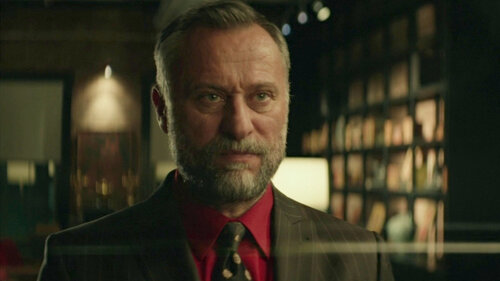
I love all four John Wick movies but I have the softest spot for the first one as it started the franchise. And I like the father of the villain.

In the film, John Wick (Keanu Reeves) is a retired assassin whose only joys in life are his car and the puppy his beloved late wife left him. But when Iosef (Alfie Allen), the son of his former boss Viggo (the late Michael Nyqvist, as seen in the photo above) steals his car, beats him up and kills his puppy, John is out for blood.

What gives John Wick a delightful edge over other revenge movies, in addition to what he’s avenging, is how his former boss initially reacts.

When Iosef brings the stolen car to Aurelio’s (John Leguizamo) shop, he recognizes the shop and strikes Iosef. Viggo calls him to find out why he hit his son. When Aurelio explains, Viggo hits his son too, and explains who John Wick is. Then he calls Wick and asks if bygones could be bygones.

Viggo is an unwilling villain. He is only involved because John (rightly) wants to kill his son. I mean who breaks into someone’s house, kills their puppy, beats the man severely, and steals his car? But Viggo’s son is still his son, so he sends all his men after John which leads to the death of many, many men since John’s just that lethal.

If you love action/revenge thrillers and still haven’t seen this one, don’t wait anymore.

Delusional Villain: Iosef

As I covered above, Iosef is an entitled brat. He wants John’s car and when John- who is a stranger, he decides to go full-on psycho. After all, John is just one guy and Iosef is young and he has men. Insert me laughing my butt off.

While there are stupid decisions made by Viggo, there would be no deaths and no trying to off Wick had his son not started all this.

Seven starring Brad Pitt and Morgan Freeman

Self-aware Villain: John Doe

I know that calling a serial killer self-aware is a bit weird, but if you watched Seven (aff.link), you know where I am going with this. And if you haven’t, go watch now because I’m going to spoil the whole movie.

Veteran detective Somerset (Freeman) and newbie Mills (Pitt) are after serial killer John Doe (Kevin Spacey) who chooses and kills his victims according to the seven deadly sins.  As we see one gruesome crime scene after another, we can’t help but think how delusional the killer is. After all, who is a psychotic killer to judge other people’s sins?

But as one of the movies with the most brilliant endings and twists, we realize Doe is a bit more self-aware than we thought. He kills Mills’ young pregnant wife (Gwyneth Paltrow) and delivers her head in a box to Mills. Mills, unable to control his grief-stricken rage, executes Doe. And at the end of the movie, Mills is the one handcuffed sitting at the back of a police car.

Doe knew he was going to be murdered. He wanted it. His sin was envy. He was envious of Mills’ happiness. Mills’ sin? Wrath.

I saw this movie only once when I was a teen, and I still remember it like yesterday. Great movie, but it is also scary and disgusting.

Marked Heart starring Michel Brown, Sebastián Martínez, and Ana Lucía Domínguez
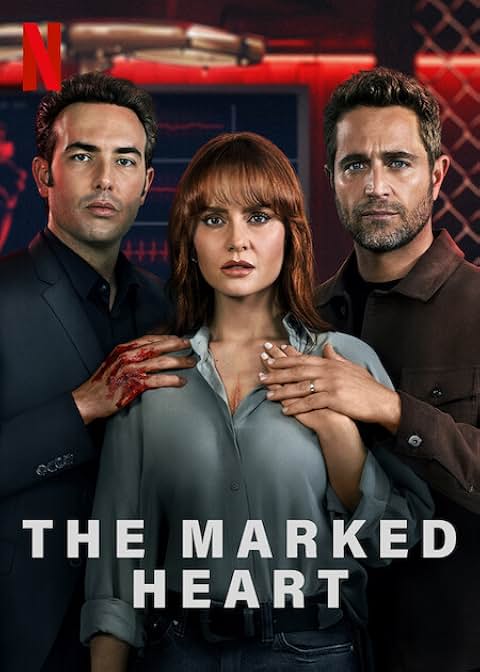
Characters from left: Zacarías (the villain), Camila, Simon.

The Marked Heart is a two-season Spanish-language Netflix original series. In this soapy but highly engaging romantic thriller, we meet two couples: Zacarías (Sebastián Martínez) and Camila (Ana Lucía Domínguez); and Simon (Michel Brown) and Valeria (Margarita Muñoz). Their paths would have never crossed paths had it not been Camila’s heart condition.

When it becomes obvious Camila will die without a heart transplant, successful and rich political advisor Zacarías does the unthinkable: He enlists the services of the organ mafia. They even let him choose “the heart” personally: Valeria Duque: a healthy sax player and mother of two.

Zacarías keeps this secret from everyone. After all, he knowingly signed the death warrant of a healthy woman (and the fates of her family) who didn’t consent to any of this.

But when a grieving Simon and a recovering Camila meet by chance and a friendship blossoms, Zacarías grows increasingly paranoid and controlling. Just how much further will he go to protect his secret and keep his relationship? And what will Simon do when he finds out what exactly happened to his wife?

I find the premise quite addictive. The acting is good and the actors are attractive, but the creators/writers have done a fine job of keeping the stakes high and conflicts complicated. While we can frown a bit at how quickly Simon and Camila fall for each other – especially considering Simon was/is also very much in love with his wife. But then again, the show does question whether getting a heart transplant changes us, and if we do inherit personality and emotional characteristics from the organ donor.

Delusional Villain: Zacarías

At first, he has our sympathy. Madly in love with his wife, he is desperate for her to be cured. But the road he chooses is unforgivable. He has an innocent healthy and decent woman killed. (Not that he had the right to kill anyone, but Valeria being a good person/mother/wife makes things so much worse.) Then when his marriage starts going awry, he turns into a control freak and cheats on Camila AND has fits of rage when she starts falling for someone else. Now, for the audience, we enjoy his pain. We enjoy that his career and life are at risk. But…his constant claiming that he is the victim and the hero and the ultimate husband…. You roll your eyes so hard. It’s not “I made my bed now I have to lie in it.” “Never I deserve this on some level.” “Maybe I suck as a husband/romantic partner even without the murder part.”

Nope. He actively tries to destroy Simon and control/destroy Camila. He even goes further.

In the end, he partially redeems himself by fixing another deadly problem he creates, but we are happy he finally has the common sense to grant us that favor at least.

All I can say is Zacharias being a little greyer….with a little more remorse would have made his character less detestable.

Still, it’s a fun show.


***

What are some of your favorite/least favorite villains? Why? Do you prefer self-aware ones or delusional ones? Let me know in the comments.



Filed Under: Fiction Writing Tagged With: fiction writing, john wick, self-aware villains, seven movie, the marked heart, villain writing tips

How to Use Excess to Create Memorable Characters in Your Fiction

Posted on January 13, 2024 Written by Pinar Tarhan

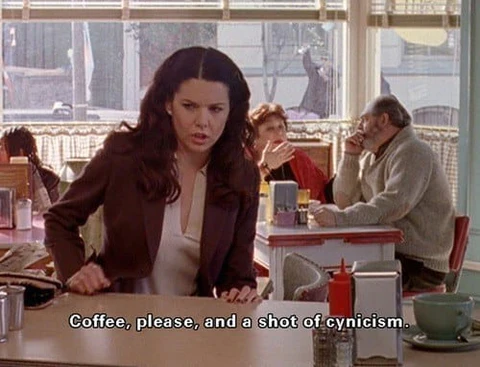
This looks like a smaller version of my cup collection. Or just how much coffee Lorelai drinks in a day…


“Everything in moderation” is good life advice in general. It helps us maintain healthy diets, not neglect or overdo exercise, don’t go bankrupt on shopping sprees… All sensible stuff.

But if there’s one place where excess is welcome, and it’s fiction.

Most of our favorite books, shows, and movies feature main characters with extreme habits and/or personality traits. Many stretch the courtesy to supporting characters as well.

While how much excess (and in what areas) one prefers can vary, here are some of my favorite “excess” examples:

Excess Examples in TV Series

Gilmore Girls

One of my all-time favorite shows Gilmore Girls centers around best friend mother-daughter duo Lorelai and Rory Gilmore. They share similar taste in music, movies, food, and clothing. They order too much takeout, consume a scary amount of coffee, and talk at a million miles a minute.

The show is funny, romantic and emotional, and the excesses don’t end with Lorelai and Rory. It merely begins there.

The maker of their favorite coffee, Luke (Scott Patterson), owns Luke’s diner. A town issue will up his grumpiness and ranting to the max.

Lorelai’s best friend Chef Sookie (Melissa McCarthy) is extremely clumsy, forgetful, and in love with her cooking.

Lorelai’s co-worker Michel couldn’t be more stereotypically French if he tried.

Town spokesperson Taylor is always annoying one poor soul or another with his demands, festivals, problems, complaints, etc… And when it’s not one or two people, he’s pissing off the entire town.

The town’s weirdest resident Kirk makes Phoebe from Friends seem sane and normal. There’s no job he won’t try, for one.

Lorelai’s next-door neighbor Babette is loud, loving, very fond of her cat and her husband, and doesn’t exactly know boundaries (but in a cute, warm way).

Last but not least, Lorelai’s estranged rich parents, Emily (Kelly Bishop) and Richard (Edward Herrmann) are excessively elitist, opinionated, lacking in empathy, and unappreciative of boundaries. Friday night dinners are a battleground. And both Emily and Richard are prone to tantrums that would make 5-year-olds facepalm.

Gilmore Girls is a quintessential feel-good comedy drama, and this beautifully written excess is one of the elements making it so memorable and addictive even after all these years.

*

Friends

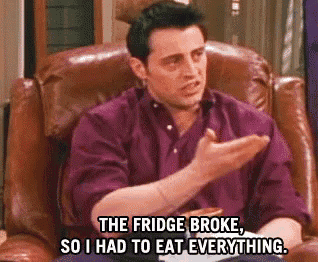
Actual footage and quote.

If you don’t think Friends isn’t funny, we can’t be friends. I’m kidding. Of course, we can. We probably shouldn’t watch a comedy together, though.

If Friends isn’t your kind of sitcom, pick yours. Sitcoms mine excess to hilarious results.

Whether it’s The Office, The Bing Bang Theory, How I Met Your Mother, or another show, you will notice the excess immediately.

In Friends, Joey (Matt LeBlanc) eats anything and everything. He covets food more than his own life, and almost as much as he loves sex. He is also very stupid. He is cute and loveable, but he likely wouldn’t survive long outside of a TV show. But there is an exception: If he’s trying to pick up a girl, his IQ suddenly spikes.

Initially, Rachel (Jennifer Aniston) is spoilt and clueless about the real world. As seasons progress, her remaining excess is her love for fashion and shopping.

Monica (Courteney Cox) is an amazing cook and terribly organized, clean, and competitive. She exhibits a love for cleaning that would prompt a psychological diagnosis. She once cleaned several cars in her neighborhood because they looked dirty.

Ross (David Schwimmer) is a massive dinosaur nerd. He gets excessively jealous when he dates Rachel, but outside of that, he is all about academia and dinosaurs and putting his friends to sleep.

Chandler (Matthew Perry) IS sarcasm. He is also hilarious. He manages to be extremely commitment-averse and afraid to be alone at the same time.

Phoebe (Lisa Kudrow) is just quirkiness personified. Bohemian, unique, and flaky, she is a lot of people’s favorite character.


*


Excess Examples in Movies

John Wick

John Wick is very stylish and although bloody, it’s not too gory. Which is how I love my action thrillers.

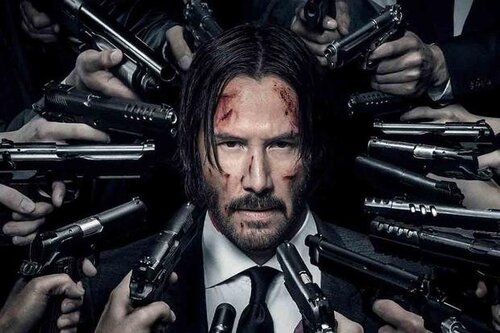
Wrong John Wick (Keanu Reeves), and he will kill you. Even if you bring 100 people along. And we love him for it. Whether it’s guns, swords, hand-to-hand combat, or pencils, he will take you out. So don’t get in his way.

Any kickass action hero with kickass killing and survival skills fits here: Rambo, Robert McCall (The Equalizer), Lorraine Broughton (Atomic Blonde), Ethan Hunt (Mission Impossible), Jack Reacher (is a great example because Reacher was/is a book series first, movie and then TV adaptation), Bryan Mills (Taken, of movie and TV series fame), Duncan Vizla (Polar), Evelyn Salt (Salt), Mr. and Mrs. Smith (Mr. and Mrs. Smith), Cataleya (Colombiana)…

The list is long, but let me finish with Smith (Clive Owen) from Shoot ‘Em Up. Not only does the movie have a fantastic cast, action scenes, and a kickass rock soundtrack, but I’ll forever be grateful to have learned how deadly carrots can be in the right hands.

These people are deadly, but they will look after the people they take care about.

Excess Examples in Books

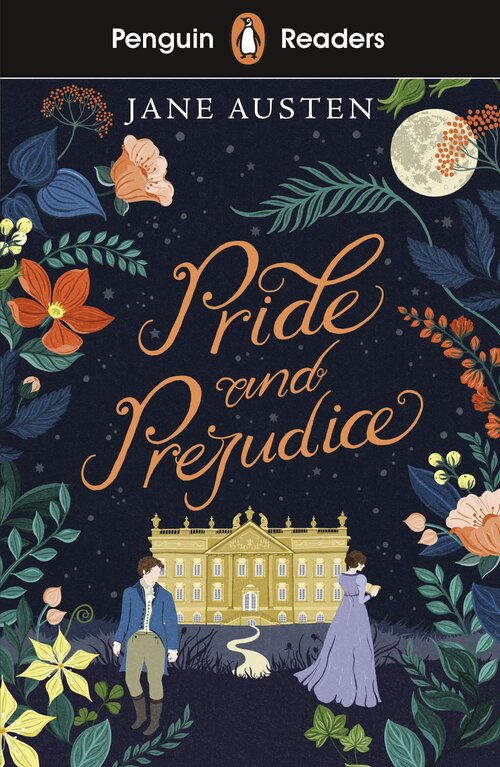
Pride and Prejudice

True to its title and theme, Elizabeth can be very prejudiced and proud. And so can the male main character Mr. Darcy.

Moreover, Elizabeth is incredibly modern and ahead of her time. She’d rather read and walk all day and night rather than conform to her society’s norms. Darcy is very introverted and prejudiced, so he comes off as rude.

But that’s not all. Elizabeth’s mother is so obsessed with marrying off her daughters, love and compatibility don’t even cross her mind. Collins’ lack of emotional intelligence and self-awareness are astoundingly hilarious.

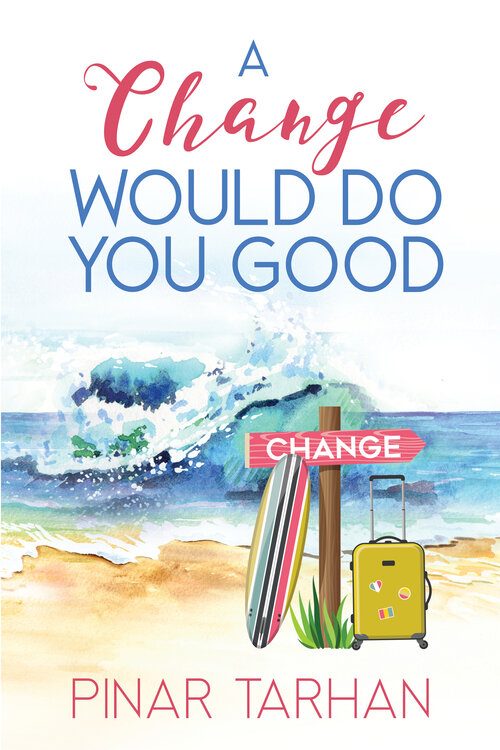
A Change Would Do You Good


A Change Would Do You Good is a short, escapist rom-com trilogy, and is also the title of the first book in the series.

Excess in opposite directions works wonders for creating conflict.

My main character Janie is still recovering from a loss. She experienced true love and an amazing relationship, and she is certain she will never feel the same way about anyone.

On the other hand, her new neighbor Kevin has had a blessed existence. He is a top surfer, has never met a beautiful woman he couldn’t seduce, and has no interest in a romantic, serious relationship. Put these extreme ends together, and the sparks are electrifying.

But because this is an ensemble romcom novel, plenty of excess can be found in other characters: How well Ben and Greg’s lives are going vs. how much of a rut Linda’s in, Ashley’s apathy and disregard for others, the career Tom and Sam want vs. the career they have…

***

Love it or hate it, any successful work of fiction has excess. When you write fiction, it’s okay to go all the way with character quirks, tastes, and personality traits.

When you are reading or watching and the excess puts you off, it might be that you aren’t the intended target audience. And it’s okay.

For writers:

If you find yourself lacking inspiration, look at yourself and your friends. What about you/them seems strange/over the top to other people? What have been some of your weirdest encounters? Remember how life is often stranger than fiction, and you’ll have more material than you can handle.

***

What are your favorite excess examples in fiction? Let me know in the comments.

Filed Under: Fiction Writing, Writing Tagged With: character creating tips, character creation, character creation for fiction writers, fiction writing tips, gilmore girls, john wick, writing fiction, writing tips for fiction writers

John Wick: How to Write a Refreshing, Kick-Ass Genre Movie by Picking Your Clichés Wisely

Posted on December 28, 2014 Written by Pinar Tarhan

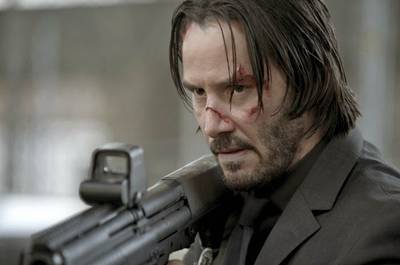
This is John Wick. You wouldn't want to piss him off. Image via teaser-trailer.com.
This is John Wick. You wouldn’t want to piss him off. Image via teaser-trailer.com.

John Wick, Keanu Reeves’ latest movie to hit the theaters is a fun, fast and exciting ride that deserves it’s current IMDB rating of 7.7 (and more). It accomplishes slick action with a budget of 20 mil, and entertains more than a lot of higher budget, CGI-filled action flicks.

And I’d thought it’d be just another ex-hitman-out-for-revenge movie. Sure, it is an ex-hitman-out-for revenge film, but the way it’s handled motive, dialogue, villains and shootouts make it different enough. Briefly put, it’s kept all the necessary clichés to make the protagonist badass enough with a humane side, but it’s eliminated some really too- frequently-used ones.

For instance, instead of a kidnapped/abused/killed family member or romantic partner, this badass seeks revenge because of the murder of his dog and the theft of his car. It could come across as ridiculous and light, but it doesn’t:

You see, our hitman left the world of crime to be with the woman he loved. Cliché, for sure. But let’s face it, we all love a tough male protagonist with a romantic side. He’s fallen hard, and has had a happy relationship until this woman he loved so much dies of a disease. That’s just one.

Why don’t we take a look at how the film manages to set itself apart? Warning: there will be many, many spoilers. Continue at your own risk if you haven’t seen it.

Not a cliché: Beloved wife doesn’t die by the hand of a bad guy.

But she is/was the only live thing he has cared about, and he’s barely buried her when he receives this cutest dog from her a present: she tells him he needs something to love besides his car. He needs not to be alone, he needs to be loved now that she’s not around. So of course he connects with this adorable puppy.

Now imagine a tough-as-they-come, grieving ex-hitman, right at the start of his mourning, being attacked in his home by a stupid, entitled punk (who happens to be the son of Russian mob boss Viggo) Ioef and his friends. The punks kill Wick’s dog, beat the shit out of him (in John’s defense he had no reason to expect a baseball bat from behind in the middle of the night) and steal his car.

Not a cliché: The (stolen) car shop owner is really pissed at Iosef’ s stupidity when he sees the car: he even punches him.

Not a cliché: Viggo calls the owner, and asks why he struck his son, quite calmly. I’d expect an outrage,  a team of thugs to beat the guy to death, or something. But this one is quite reasonable compared to many other mob bosses we’ve seen. And when the guy tells him that what his son did, he gets mad with his own son.

Not a cliché: The mob boss is actually quite smart (again, when compared to others). He hits his son, and explains why he did a very stupid thing. And before sending men after Wick (before Wick can kill the son), he calls Wick and asks if they can forget about the whole thing.

He knows exactly what Wick is capable of, and is reasonably scared: It’s refreshing to see a mob boss being realistic about who he’s dealing with, instead of thinking he can destroy anyone.

Realism: John goes out of ammunition, and we see him reload his weapon, take his enemy’s weapon or just use whatever is available to him. No endless ammo here.

Realism: John does get hurt. He does call a doctor. The doctor gives him pills to keep him going. So it’s not just adrenaline (or maybe the pills provide just adrenaline; I’m just pointing out he does get chemical help).

He gets hurt again toward the end, almost dying.

Realism: John calls a “cleaning crew” to rid his house of the bodies.

Fun: Cop shows up after a noise complaint: John did take care of 10-12 men after either shooting them or killing them other ways. There was massive struggle. But the cop asks if John is back to work, he says he is just that taking care of something. Cop leaves, knowing exactly who John is (and used to be).

Fun: A lot of the other humor comes from the fact the way some shooting scene are shot: like we see the victim dropping dead from a single shot before we see John Wick moving ahead coolly.

Funny/tragicomic/different: Viggo cares more about his own life than his son’s: he gives away his son’s location to Wick when Wick corners him and kills all the bodyguards. Of course being a man of his word, Wick lets Viggo go.

Cliché we love: Wick survives after everything, having avenged his dog and his wife’s memory. Realistic? Well, in this movie’s universe…kind of, yeah. After all, Wick is who you send after the bogeyman. Bogeyman is scared of this dude.

*

So in terms of reinventing the genre, Wick doesn’t do it. But what it serves the genre with refreshing elements, well-done, non-flabby dialogue; a decent, semi-dark sense of humor; the right music and perfect casting.

The writer (Derek Kolstad) has picked his clichés well: whatever clichés exist, they do a great job adding to the film’s pace and atmosphere.

A touch of realism here and there makes the film more fun, and gets us even more glued to the screen. I recommend this movie to anyone who loves the revenge thriller genre, whether you also write action thrillers yourself or not.

And remember folks, all clichés aren’t bad. If you know which ones to pick and how and where to implement them, they don’t ruin your story: they improve it.

Speaking of working clichés, you might also enjoy the post When It’s OK to Use Cliches in Your Writing: Hidden Metaphors – Poison’s Bret Michaels Style.

Related Posts Plugin for WordPress, Blogger...

Filed Under: Fiction Writing, Writing Tagged With: cliches that work, john wick, john wick for writers, john wick keanu reeves, john wick story, keanu reeves, using clichés in writing, when to use clichés in writing

Blogroll

  • My Entertainment Blog

My Other Blogs

  • Beauty, Fitness & Style for the Fun-Loving Gal
  • Dating & Relationships in the 21st Century

Categories

  • Author Interviews
  • Author news and coverage
  • Blogging
  • Book Launches and Excerpts
  • Book News and Author Interviews
  • Book Recommendations
  • Book Reviews
  • Career Management for Writers
  • E-Book Reviews
  • Fiction Writing
  • Fictional Writers: Writer Characters in Movies, TV Series and Books
  • Inspiration and Motivation
  • Marketing
  • Marketing Fiction
  • Movie and TV Series Recommendations
  • Novel Reviews
  • Paying Markets-Web and Print
  • Productivity & Time Management
  • Recommended Resources
  • Reviews for Tools and Devices
  • Romance
  • screenwriting
  • Self-publishing
  • Story Conflicts
  • Website & Blog Reviews
  • Writer Tools
  • Writing
  • Writing Tools
  • Writing Updates

Copyright © 2026 · Focus Pro Theme on Genesis Framework · WordPress · Log in

This website uses cookies to improve your experience. We'll assume you're ok with this, but you can opt-out if you wish.Accept Reject Read More
Privacy & Cookies Policy

Privacy Overview

This website uses cookies to improve your experience while you navigate through the website. Out of these, the cookies that are categorized as necessary are stored on your browser as they are essential for the working of basic functionalities of the website. We also use third-party cookies that help us analyze and understand how you use this website. These cookies will be stored in your browser only with your consent. You also have the option to opt-out of these cookies. But opting out of some of these cookies may affect your browsing experience.
Necessary
Always Enabled
Necessary cookies are absolutely essential for the website to function properly. This category only includes cookies that ensures basic functionalities and security features of the website. These cookies do not store any personal information.
Non-necessary
Any cookies that may not be particularly necessary for the website to function and is used specifically to collect user personal data via analytics, ads, other embedded contents are termed as non-necessary cookies. It is mandatory to procure user consent prior to running these cookies on your website.
SAVE & ACCEPT