Addicted to Writing

Manage Your Freelance Writing Career While Writing What You Love

  • About Pinar Tarhan
  • Blog
  • Books
  • Hire Me: Services
  • Contact Me
  • Portfolio
  • Favorite Resources
  • Newsletter

How to Know If Having An Accountability Partner Will Work for Your Writing Goals

Posted on April 5, 2022 Written by Pinar Tarhan

First things first: What’s an accountability partner?

Chances are you know exactly what this term means, but let’s define it anyway.

An accountability partner is someone who holds you accountable for reaching your goals.

Do you want to publish 2 novels this year? Do you intend to write 1000 words every day? Do you need to send 50 pitches every day? Or maybe, you have a problem with marketing, and your need someone to help you on the right track.

Whatever you need to accomplish in your writing (or non-writing life), an accountability partner might help you reach those goals.

Why did I say might?

Because not everyone needs an accountability partner. And not everyone will benefit from an accountability partner.

Could you benefit from an accountability partner?

To determine this, you need to examine your personality type when it comes to habits. And as it’s my favorite book on habits, I’ll refer to Gretchen Rubin’s book Better Than Before (aff.link) again.

Maybe my favorite book ever on habits, Rubin’s book takes personality into account.

In the book, Gretchen talks about four types of personality: Upholder, Obliger, Questioner, and Rebel.

Upholders tend to meet both inner and outer expectations while obligers are more likely to meet outer expectations. Questioners will question whether something is necessary and useful, while Rebels will resist both inner and outer expectations.

How do you know which group you belong to? It’s easy. Do you set goals for yourself and then stick to them without much friction and don’t need an outside party to check on you? You’re an Upholder. An accountability partner might work for you, but there is a chance you won’t need one.

If you are someone who only meets let’s say fitness goals under the watchful eye of a trainer or the insistence of a friend, then you are an Obliger, and you’ll most definitely benefit from an accountability partner.

Questioners will need to be persuaded about the need for an accountability partner, so if you are constantly questioning things, you might do better with a trial run. See if this works for you.

Rebels…well, rebels will fight you and themselves on all expectations, so an accountability partner might not work.

I’m a Rebel/Questioner. Most people fall into more than one category, and your type can change depending on the subject matter at hand.

Do I have an accountability partner? Well, yes and no. I have close writer friends and we constantly check up on each other. It’s not however about keeping each other accountable, but rather feeling motivated, inspired, seen, and understood.

One of my closest writer friends is Olga Mecking, the author of Niksen: Embracing the Dutch Art of Doing Nothing (aff.link). Olga is a successful freelance writer, journalist, author, and novelist. She is also married with three kids, lives in the Netherlands as an expat, and has several health issues.

So we celebrate each other on successes and productive days, while also helping one another embrace the not-so-productive ones.

Some days are just 0-word days and it is okay. Some days are 500- word days and a few are 5,000. Having someone always asking me about daily word counts would just give me anxiety, and that just doesn’t work.

*

For more and better information on these personality types and how to form and keep the habits you want, I strongly recommend you read Rubin’s Better Than Before. She also wrote a whole book on these personality types alone: The Four Tendencies.


Do you have what it takes to be an accountability partner?

I honestly believe anyone can be an accountability partner, as long as you are both clear on what to expect from each other, and how to deliver it.

But I suspect a Rebel and an Upholder would probably not be a match made in heaven, though you’d have to test this yourself.

The takeaway  

– Not everyone needs an accountability partner.

– You can and should define the relationship with your accountability partner, should you decide to have fun.

– Having writer friends you talk to regularly about anything and everything can work much better for you than simply having someone checking up on your goals.

*

What about you? Do you have an accountability partner? What strategies and tips do you have for accomplishing your goals?


*

 

Filed Under: Career Management for Writers, Productivity & Time Management, Writing Tagged With: accountability partner, how to meet your goals as a writer, meeting your goals, productivity tips for writers, writing productivity

How to Work (and What Tasks to Do) When You Are Sleep Deprived

Posted on February 27, 2019 Written by Pinar Tarhan


In an ideal world, one or two things would happen:

  • We wouldn’t be sleep-deprived.
  • We wouldn’t have to work when we were sleep-deprived.

But it isn’t an ideal world, alas both situations occur quite often. If you don’t have anything urgent, it’s best putting off urgent tasks until you are rested. If you do, it might be better to try and take a nap first.

Not possible? Pour some coffee (or tea, your choice) and get to it.

Also, think of activities that make you happy, alert, and energetic. Different activities have different effects on people. Showers wake some people up while making others sleepier. (I’m in the second group.)

  • Blog maintenance. Updating plugins and themes don’t require much attention and energy. Get this sucker off your plate.
  • Marie Kondo-ing your office space. While I like Marie Kondo, I don’t recommend trying to catch the feeling of joy when it comes to organizing important stuff. Instead, go for the thought of useful and/or new information. I don’t want you to end up fileless and freaking about not being able to find important story drafts or reference books!
  • Marie Kondo-ing your desktop files. See the point above about joy.
  • Email checking and cleaning: unsubscribing from people you don’t like. Sometimes, I go on a binge email unsubscribing spree. I might even unsubscribe if I am a huge fan of the person. Because I am a huge fan, I don’t need a daily or weekly reminder to check out their new post or product. I already have. So I remain subscribed to newsletters that share stuff that is not on their website, or newsletters that are so useful that I cannot afford not being updated. And sometimes, I remain subscribed because while I am a fan, I often forget to check out their latest work because I’m only human and I don’t remember to regularly read every blog I enjoy. What makes a newsletter worth subscribing to and remain on their email list? Check out my article Newsletter Writing 101: The Dos and Don’ts.
  • Drafting posts. Funnily enough, you can actually write even if you are tired. It might not be a masterpiece, and you probably shouldn’t be working on the polished version your editor will read. Drooping eyes miss more errors. But if you are in the zone, you are in the zone. If your health allows it, don’t let your energy level trick you into not writing.
  • Noting down ideas. Your brain might be too tired to do certain things, but ideas also don’t give two hoots about how you feel. If they want to arrive, they will. So you better not let them go. You might not remember them later.
  • Free-writing. What better excuse to write without limits and rules? Just let your subconscious take over.
  • Collecting scattered ideas in two places: one digital and one physical – and then backing them up. Be honest with me. How many idea files and notebooks do you have? Even the most organized of us can fall prey to buying too many notebooks or creating too many files to save our ideas. It doesn’t take too much mental effort to copy paste with your mouse or with your hand, so take advantage of these “tired” times to gather your ideas in one place. Then make several copies. You can never be too careful or safe when you are saving and recording your ideas. The idea is to have all the ideas in one place, and copies of the big list. Not 500 different files with different ideas. Think about your scattered notes the next time you think you don’t have something to pitch or write about. You should do the same with the writing markets, while you are at it.
  • Going over your to-do lists and goal sheets. If you’ve been meaning to do something for months, just go ahead and do it. It is okay to change your mind and delete the task if you feel it was unnecessary. But if you neglected something essential, it is time you prioritize it.
  • Responding to emails. Try not to make too many typos, especially if you are corresponding with editors and clients. But let’s face it, most email communication is about you confirming things or following up on them. Do those.
  • Backing-up your work and research. All you need to do is to get them on to Cloud, a hard drive, a USB or emailing them to yourself. Better to be safe than sorry.
  • Social media posting. Afraid people forgot who you are? Start reminding them. Hanging out at social media is a better way to spend your time when you are tired. Just don’t post something embarrassing you can’t take back. Unless embarrassing is your brand. Then by all means, go all for it!
  • Profile updates. You have a new book out? Published on some amazing pubs? Time to polish those clips and social media profiles.
  • Bookmark and reading list cleaning. No need to keep useless stuff around. Read and decide what to discard.
  • Reading stuff that doesn’t hurt your brain. It can be reading for fun – since you are a writer, reading is always a part of your job. I know, we are so lucky! But we’ve all been there. Sometimes we can’t just bare to process overly technical stuff or brand new information. Ignore those and come back when you are feeling alert and capable.
  • Watching things that are necessary for your idea-collecting, craft-building and relaxing. Bonus points if they help with all three. Watching Netflix is a part of my job. So no one pays me just to watch something, but a lot of my ideas and stories have ties to pop culture. So watching movies and series help me grow as a writer, while also fueling my creative juices. So when in doubt and too tired to do anything else, go watch something.

*

There you go, those were my humble suggestions. Let me know how you deal with work when you are sleep-deprived or sick. They often attack together!

Related posts you can check out:

A Love Letter to All Freelancers With a Health Condition

How to Get Back to Work After Vacation (Even If You Are Exhausted)

Sleepy Writer’s Wake-up Ritual: How to Start A Writing Day Well

Benefits of Having a Cold for Freelance Writers

9 Productive Things Writers Can Do When They Have a Cold


Filed Under: Blogging, Productivity & Time Management, Writing Tagged With: how to work when tired, how to work when you are sleep deprived, how to work when you are sleepy, productivity tips, productivity tips for writers

16 Non-Writing Tasks to Do When You Have Writer’s Block (or Don’t Feel Like Writing)

Posted on July 28, 2017 Written by Pinar Tarhan

I love the idea that we – writers – are sitting on a porch somewhere with a lovely view, a delicious coffee-based beverage nearby and typing away to our heart’s desire.

Now, we can often be found typing away with a coffee in hand, but we are not always writing a story or an article. (And the view doesn’t always rock, but that’s beside the point.)

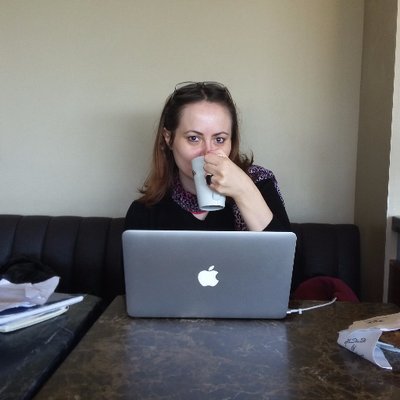
Pinar Tarhan, writer
For instance, this is me posing for a picture because we need that too. 🙂

And while we love writing, sometimes we are stuck. Sometimes we’d do anything but, no matter how much we love writing.

But just because you can’t write doesn’t mean your whole work has to go to hell:

get over writer's block

16 Non-Writing Tasks to Do When You Have Writer’s Block (or Don’t Feel Like Writing

  1. Pitch. Unfortunately, editors and clients don’t always come to you with assignments and story ideas. You have to create your jobs. So you pitch. You usually have a pitch template than can be tweaked, so this is more editing than actual writing.
  2. Follow-up on previous pitches. You have pitched stories a while back, but you haven’t heard back. So you customize that follow-up template if you need to, and fire away.
  3. Keep track. You make notes on where you pitched and what you followed up. You don’t want to send the same idea to an editor that already turned it down.
  4. Clean your inbox and answer important emails. It’s not advised to check your email every 2 minutes, but you should probably check it at least twice every day – especially if you are expecting responses and you have clients from different time zones. You don’t want to miss an assignment because the message got buried among 100 unimportant other messages.
  5. Read the articles in the publications you are pitching– aka also known as market research.
  6. Read unrelated stuff for fun and inspiration.
  7. Deal with blog administration. There is always a plugin to update, a post to edit.
  8. Apply to jobs and/or pitch to clients.
  9. Post on social media. You have a presence; you need to maintain it.
  10. Talk to other writers. It’s one of my favorite methods for staying sane.
  11. Update social media profiles. Maybe you did something interesting or acquired an impressive byline.
  12. Update your website copy. You might want to review your services and how you present them.
  13. Update your portfolio. Those new bylines won’t add themselves.
  14. Hang around aimlessly – online and offline- looking for inspiration and story ideas. Some of the most obvious ideas arrive when you feel like giving up. And ideas can come from anywhere, including from your favorite comedians.
  15. Clean. I don’t mean spring cleaning, but just a general, mindless tidying up that won’t take too much time. Also, how clean is your computer screen? I swear mine is playing in the dirt when I’m not looking.
  16. Organize. Organize files, on the computer and in your office. Do you need all the paper? Did you notice a publication you loved but forgot about? Saw a book you need to refresh up on? Leave the cleaning and organization to the end, though. You don’t want to use them as procrastination tactics.

*

What do you work on when you are stuck? Please let me know in the comments.

Filed Under: Blogging, Inspiration and Motivation, Productivity & Time Management, Writing Tagged With: how to get over writer's block, productivity tips for writers, what to do when you have writer's block, writer productivity, writers block

2016 in Writing: The Best of This Blog, Year in Review, and Goals for 2017

Posted on December 30, 2016 Written by Pinar Tarhan

This post contains affiliate links.

As I’m writing this post, it is 3.45 pm, and it’s snowing heavily outside. Power is out for the second time, and I’m just glad we live on the sixth floor of a seven-storey apartment. (My intolerance of heights disappears when there are floods everywhere, and I’m just glad we are safe, warm and dry.)

2016 has been a weird year, to say the least. I’ve had personal and professional ups and downs, as well as financial ones. I’m not going to talk about what a terrible year it has been on a global scale. We all know what happened. News and social media feeds and friends’ updates, and even our favorite cartoons, constantly reminded us that the world had become even more dangerous than many of us knew.

Best of 2016 for This Writer

Let’s not mock anyone who feels 2016 has been the worst year ever. If they live in a country where terrorism attacks have increased, it might truly be the worst year ever.

Now that we acknowledged that, below are some of my highlights:

  • I finally decided on the theme and launch date of my travel blog.
  • I was published on The Washington Post’s Solo-ish blog.
  • I took some great courses on advancing my writing and my writing career.
  • I started to stick to some of my earlier resolutions.
  • I read some great books.
  • I’ve made some important decisions to make 2017 different in a terrific way.
  • I was active on some amazing FB groups, made great connections and friends.
  • I started cold-pitching.
  • I responded to calls for submissions, meaning I wrote according to a given theme and sold two articles in this vein.

Some of My Favorite Movies of the Year:

  • The Girl on the Train starring Emily Blunt and Justin Theroux.
  • Hacksaw Ridge starring Andrew Garfield.
  • Allied starring Brad Pitt and Marion Cotillard.

Favorite Novels

  • The Girl on the Train (My review on the blog.)
  • Behind Closed Doors  (My review on the blog.)

Favorite Series (That Premiered in 2016)

  • This is Us
  • Bull
  • Good Behavior (My review on my entertainment blog.)
  • Designated Survivor

Plans and Goals for 2017

  • Train my Dragon Dictate: Apparently, there is a book on it. My hands hurt, but typing has always been my favorite method of getting my point across and recording those points.
  • Move, move, move! I plan on getting a gym membership or taking regular dance classes again. I’m particularly interested in zumba.
  • Travel, travel, travel. I haven’t been aboard since 2015, and I’m itching.
  • Pitch, pitch, pitch! This goes for both fiction and non-fiction. Gina Horkey’s 90 Day Pitching Challenge was an awesome prompt in the right direction, but I still have some organizing to do. I haven’t been able to keep up with the 10 pitches-a-day goal. I fully plan to this year.
  • Eat more healthily. If I can’t eat perfectly healthily, I will at least add healthy stuff to make the relatively less healthy better. For instance, to keep my blood sugar level in check, I’ll have some nuts with your dark chocolate. Advice borrowed from one of my country’s top nutritionists.
  • Launch my first e-book on productivity.
  • Take on more coaching work
  • Respond the more submission calls.
  • When you are taking a course, actually apply the sound advice.

2016’s Top Posts on the Blog

  • Bad Traits for Characters: From Mildly Annoying to Deal-Breaker, From This Makes for a Fine Villain to Let’s Put This Person to Jail Forever. Sometimes, it is harder to “corrupt” our darling characters than killing them. Do your characters need an extra flaw or to make them more human? Read this post for a through list. I also wrote part 2.
  • How Not To Pitch An Editor: Be Vague and Impatient. Pitching is our bread and butter. Whether you’re looking to guest post, apply for a staff writing job or pitching ideas, you need to know your pitching etiquette. I offer two of the most important things to avoid with real life examples.
  • Life is Too Short, David Bowie is Dead, and Why You Should Make 2016 Your Best One Yet. More than a tribute post, this is a post that celebrates life and the living while paying respects to our idols and favorite pop culture influences.
  • How to Handle The Negativity Toward Your Writing No Matter The Source. Whether it’s a tough-loving editor, a bitter client or yourself, you need to be able to handle negativity and rejection. This post shows you how.
  • This Writer Is Getting Smarter About Money: And How You Can Too. A post on knowing how to manage your finances, including setting goals for our dream life, knowing where our money goes and how to make more.
  • A Love Letter to All Freelancers With a Health Condition. Are you a freelancer writer whose productivity takes a huge blow due to health problems? You’re not alone. Read on for motivation, inspiration and support.
  • The Incredible Productivity of Stolen Moments. Will you do better work when you feel like you’re cheating on what needs to be done with your writing? You just might.
  • Starting All Over Again: Rejection and Planning Again. Based on how I got stung by and got back up after being rejected by the University of British Colombia, this is a post on life after big rejections. 

*

That is it. What about you? What are your favorite moments of 2016? What are your goals and plans for 2017? Let me know in the comments!


Related Posts Plugin for WordPress, Blogger...

Filed Under: Career Management for Writers, Inspiration and Motivation, Writing Tagged With: freelancing, how to be more productive as a writer, how to deal with rejection, how to handle rejection, how to pitch an editor, productivity tips for writers, writing, writing goals for 2017

  • 1
  • 2
  • Next Page »

Blogroll

  • My Entertainment Blog

My Other Blogs

  • Beauty, Fitness & Style for the Fun-Loving Gal
  • Dating & Relationships in the 21st Century

Categories

  • Author Interviews
  • Author news and coverage
  • Blogging
  • Book Launches and Excerpts
  • Book News and Author Interviews
  • Book Recommendations
  • Book Reviews
  • Career Management for Writers
  • E-Book Reviews
  • Fiction Writing
  • Fictional Writers: Writer Characters in Movies, TV Series and Books
  • Inspiration and Motivation
  • Marketing
  • Marketing Fiction
  • Movie and TV Series Recommendations
  • Novel Reviews
  • Paying Markets-Web and Print
  • Productivity & Time Management
  • Recommended Resources
  • Reviews for Tools and Devices
  • Romance
  • screenwriting
  • Self-publishing
  • Story Conflicts
  • Website & Blog Reviews
  • Writer Tools
  • Writing
  • Writing Tools
  • Writing Updates

Copyright © 2026 · Focus Pro Theme on Genesis Framework · WordPress · Log in

This website uses cookies to improve your experience. We'll assume you're ok with this, but you can opt-out if you wish.Accept Reject Read More
Privacy & Cookies Policy

Privacy Overview

This website uses cookies to improve your experience while you navigate through the website. Out of these, the cookies that are categorized as necessary are stored on your browser as they are essential for the working of basic functionalities of the website. We also use third-party cookies that help us analyze and understand how you use this website. These cookies will be stored in your browser only with your consent. You also have the option to opt-out of these cookies. But opting out of some of these cookies may affect your browsing experience.
Necessary
Always Enabled
Necessary cookies are absolutely essential for the website to function properly. This category only includes cookies that ensures basic functionalities and security features of the website. These cookies do not store any personal information.
Non-necessary
Any cookies that may not be particularly necessary for the website to function and is used specifically to collect user personal data via analytics, ads, other embedded contents are termed as non-necessary cookies. It is mandatory to procure user consent prior to running these cookies on your website.
SAVE & ACCEPT