Addicted to Writing

Manage Your Freelance Writing Career While Writing What You Love

  • About Pinar Tarhan
  • Blog
  • Books
  • Hire Me: Services
  • Contact Me
  • Portfolio
  • Favorite Resources
  • Newsletter

Screenwriting Problems Tackled: When No One Likes Your Main Character

Posted on February 12, 2015 Written by Pinar Tarhan

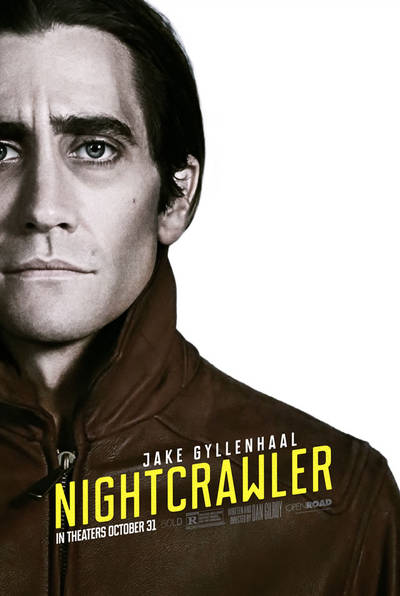
nightcrawler-poster
Did someone say an unlikable protagonist? Image via ropeofsilicon.com.

I’ve previously posted The 7 Challenges of Writing a Screenplay, and I’m proud to say I’ve tackled a lot of them successfully in my rewrites. Length is no longer a problem, and having gotten rid of a lot of exposition, my screenplay is a lot leaner.

Right now, I’m facing another problem: I have two protagonists, and one of them is deemed unlikable by half the people (professionals and friends) who read my screenplay. The good news is, some of the “dislikers” are happy with how interesting the events and pacing are, and have told me they don’t have to like a character to enjoy a story or movie.

Why can one main character be unlikable?

My character comes off as too selfish, and that makes it hard for the audience to root for him. He also doesn’t lose everything despite everything he does.

Except, he is not the only main character. His problems and behavior are central to the story, yes, but it’s a script with two protagonists: these two characters start the story as best friends, but extreme circumstances force them to be each other’s antagonist.

And the second protagonist couldn’t be more likeable. He’s strong, passionate, flawed, loyal to a fault… Yet no one seems to notice.

Yes, there are changes I can make to make the unlikeable guy more likable, but most positive changes would change the heart of the story, and I can’t allow that. Because you see, this is the story I want to tell.

When you understand that character, and he is not unlikable to you

And it’s hard for me to see the character as completely selfish, because history (meaning his back story) has proven him to be pretty selfless, or close to it, in the past. He is just having a major crisis, with a pretty debilitating problem, and is acting irrationally. This in turn suggests another problem: plausibility. Like most screenplays, mine requires a decent amount of suspension of disbelief. Not because the events couldn’t/wouldn’t happen, but they are a bit on the extreme side. But if they weren’t, the story I wanted to tell wouldn’t exist.

That’s not to say I don’t respect my readers’ feedback. I do. My last coverage evoked some great questions, and I’d love to discuss it with the reader. I just need to adjust my budget first for further consultation.

On the other hand,  one professional reader not only liked this “unlikable” dude, but named him his favorite.

And I’ve just finished watching two webinars from Writer’s Store where industry experts (including  Script Mag’s Jeanne Veillette Bowerman) emphasized that you can root for a character if he’s interesting enough, even if he’s evil. One given example was Hannibal Lecter. (In her webinar Creating Dynamic Characters.)

Now, I’m in no way claiming my character is that interesting (completely different genres for one. For two, my character won’t be portrayed by Anthony Hopkins:D) But in a way, my “selfish protagonist”, is the antagonist of the story in several ways.

If audiences can root for Hannibal or the killer in Se7en, they can tolerate my selfish character. Next to them, he comes off like a newborn kitten for crying out loud!

Good news: There Are Many Successful Movies with Unlikeable Protagonists

Let’s mention some recent successful movies with borderline horrible, obnoxious main characters. Please note I might spoil the movies a little.

Gone Girl: I seriously can’t decide whose character I detest more. Ben Affleck’s or Rosamund Pike’s? And it’s not like supporting characters are sweet either. Engaging movie (for the most part), great second act but come on! I’ve never spent so much time during a movie wanting to punch all the characters. I wouldn’t want them as my neighbors, friends, distant acquaintances…The cops in the film included.

Side Effects: Sure, Jude Law’s character becomes more and more likable as the story progresses, but what about Rooney Mara’s? And I definitely lost a little respect for Law’s character when he got back with his wife, no questions asked. After the way she treated him? Come on! I don’t need a long fight scene, but just give me a sign of difficulty for crying out loud!

Nightcrawler: Different and compelling movie, sure. But Louis Bloom has to be one of the most obnoxious protagonists ever written. Louis Litt from the TV series Suits is a selfless angel compared to Bloom. Seriously!

And we are never given a back story on why he is such a sociopathic prick. Actually Nightcrawler steps on and chews out so much renowned screenwriting advice, it will get its own post. (or at least another post.) The point is, the only thing I liked about that character was that it was played by Jake Gyllenhaal. I didn’t root for him. I didn’t respect his cunning. I think the fact that he’s so unlikable, and still gets what he wants (despite not being as slick and smart as he believes) is what makes the movie fun to watch.

What does this mean for you and your story?

I haven’t sold this story (with the selfish protagonist) yet. I may never be able to sell it. Maybe it’ll be optioned and/or bought and never made. Maybe I will have to wait until I have the resources to make it myself. Like all the screenplays out there, the possibilities are just too many to count.

The point is, I’m not giving up on it. It has its strengths, and it has its weaknesses, and I’m doing my best to eliminate the weak parts. I’ll do my best to sell it afterwards. But I believe in it, and I’m not giving up on it. I’m also determined to improve it without changing the core.

You might need to adapt too, but you also need to keep believing in yourself. I watched this wonderfully helpful webinar by Marilyn Horowitz (How to Sell Your Screenplay in 30 Days Using New Media through Writer’s Store) where she reminds you that you need to be your biggest fan. You need to be professional, yes, but you also need to believe. It has to be the kind of story you would pay to see. If you wouldn’t, why write it?

Write the kind of movie you’ll want to see. Be as objective as you can. Improve it as much as you can. Then start pitching and querying.

And good luck!


Filed Under: Fiction Writing, screenwriting Tagged With: challenges of writing a screenplay, Jeanne Veillette Bowerman, marilyn horowitz, nightcrawler, screenplay writing, screenwriting, script writing, writing a screenplay

The 100’s Finn: Character Assassination or Natural Character Evolvement?

Posted on January 10, 2015 Written by Pinar Tarhan

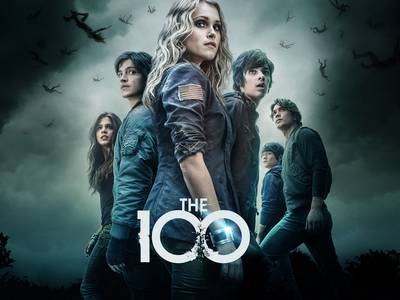
the 100
From left, characters: Octavia, Finn, Clarke (central), Jasper, Bellamy, Monty. Image courtesy: CW

Ever watched a movie or a TV series and thought: “Nah, this character would never do that?” Maybe it happened while reading a book. We’ve all been there as viewers and readers. Characters’ actions sometimes can take an unbelievable turn, and make us our eyes roll, taking us away from the story.

Currently, many fans of the sci-fi series The 100 feel this way about the character Finn, though I’m not one of those fans. While I believe they could have handled his transformation a little better or made his character take a different path, I don’t think what happened to him is that big of a stretch when you consider everything he has been through.

I’m not saying writers don’t have a tendency to take things too far for the sake of a more captivating plot or shock value. But often, writers have an emotional connection to their story and don’t just throw a big change the audience’s way just for the sake of it. They become their characters. So it is not so much crafting a path as it’s living, breathing and being that character.

Expectedly, not all of your readers (or viewers) will agree with how (or who) your character ends up to be. Especially when you have give them so many twists and complicated fellow characters, after introducing this one character much more differently in the beginning.

But traumas change people, for the better or worse. Can you tell me that you’ve gone through several significant, life-altering events in your life, and those events haven’t changed your attitude or reactions even one bit? If you say you are 100% the same, I’m going to think you are either a saint, or not being completely honest with me (or yourselves) for that matter.

So today, let’s tackle this tricky issue with the help of The 100, and what Finn’s been through. (Note: from this point on, this post will feature spoilers. You’ve been warned.)

The 100 Premise:

A nuclear apocalypse has destroyed the earth, and some survivors have moved to space stations. 97 years later, a technical problem is causing oxygen deficiency, causing the need to test the earth’s conditions a century before they planned.

On these space stations (called the Ark), any criminal over 18 is executed by floating. Any criminal under 18 is imprisoned – the nature of the crime is irrelevant. So in order to gain more time (and oxygen), they send 100 prisoners (ages ranging from kids to almost 18 year-olds) to earth, without supplies (not that they had too much extra to spare) or weapons.

thomas-mcdonell-100-finn
Finn (Thomas McDonnell) after he has seen a mutated deer.Image via justjaredjr.com.

When the prisoners land on earth, radiation doesn’t kill them. The nature looks beautiful, and they might have a chance after all. But soon, the differences in personalities, agendas and violent tendencies and lack of supplies as well as other survivors they didn’t know existed risk their lives and well-being on a daily basis (or sometimes more frequently). Finn (played by Thomas McDonnell) is one of these prisoners.

He’s famous for his crime: he has gone spacewalking without authorization, causing the Ark to lose oxygen, though it’ll be revealed in the following season that while the “crime” was his idea, the “committing” was done by someone else. (More on this later.) Finn is a fun-loving, spontaneous kid who’s not the bravest – but he’ll definitely step up eventually if he needs to save a friend. He develops a crush on Clarke, the intelligent, resilient and resourceful daughter of the Ark’s best doctor.

Finn is willing to do work when reasoned, but not disruptive and never with an authority complex. He usually provides the humor, ways to have fun and offers less disturbing ways to survive. He’s a bit of a flirt, but hey, for a teenager who has never had an adventure and only been with one girl all his life, he is doing pretty well as a human being trying to survive.

But even during the first couple of episodes that establish Finn as a fun-loving, inherently decent, flirty but smart dude with useful skills (tracking and peace-making), he goes through pretty horrifying stuff: losing friends in horrific ways, losing hope that they might ever see their family and friends in space or communicate with them, having his life and his remaining friends’ constantly in danger. With no time to get depressed or have an existential crisis, he holds up well through his reciprocal crush on Clarke.

Then his girlfriend from the Ark, Raven, comes to earth. Because of this, he loses his chance with Clarke, but that’s the least of his problems: Just think about it. Imagine being a 17-year-old experiencing the earth for the first time. Think about having been sent there to die. (The adults in space had no proof the earth was livable, so he, along with the other 99, was considered expendable.)

Think about falling in love with another girl, a girl you haven’t known your entire life while still caring the hell lot about your girlfriend – who’s both your family and your best friend. Think about not knowing who to trust apart from a couple of people. Did you put yourselves in Finn’s shoes? Good. Stay there.

You don’t have many supplies. You can die of hunger if you can’t hunt. If you are caught by the yellow acid fog, you will die a horrible, painful death, and you lose friends to this death. You see fellow campers go into “lynching mode” because they think someone in this group murdered a fellow camper. You find out the killer was a little girl who misunderstood some helpful advice. You risk your life trying to protect her, but you can’t: the girl ends up jumping to her death because she doesn’t want anyone to be harmed because of her. Aren’t you mentally a little disturbed yet?

Remember these events. Despite all this, because you’re a nice, peace-loving guy:

– You don’t mind the “grounder” Lincoln (people who kind of remind you of the warriors in Mad Max 3– people who have survived despite the radiation and formed their own civilazation) who stabbed you escapes.

– You don’t mind one female fellow camper falling in love with the grounder; instead you see the good in him and use this opportunity to make peace. Things go wrong, you barely escape.

– You find out these grounders have sent a biological weapon into your camp, killing a few more of your friends in the process and almost killing the girl you love (Clarke).

– Then you find out this biological weapon was only the initial attack. Your friends build a bomb to blow off a bridge to delay the attacks. This does delay the war, but during a hunting trip, you and Clarke are kidnapped and threatened to be killed unless Clarke saves the wounded girl. She can’t, and you only get to escape because Lincoln (the nice grounder) helps you.

– You are surrounded by warriors, but with the help of Raven (now your ex: she breaks up with you because you’re in love with Clarke), you manage to build something that will fry all grounders who come close. But you can’t make it inside the safe zone in time, witnessing a lot of people die brutal deaths. You watch people burn while fighting for your life.

– And when it’s over, you learn that Clarke along with 46 of your friends, are nowhere to be found. Maybe the remaining grounders took them. They’re probably tortured. There’s a good chance they might be dead.

Are you damaged enough yet?

– Anyway, there’s some good news as some of the space people land safely and form another camp. You are sent to find the missing, but not before you get to experience your ex’s painful, no drugs included surgery where her screams would make anyone’s blood crawl.

– During your search for Clarke, a grounder refuses to give you information, so you threaten to kill him. Then he draws you a map, but you still kill him. If you don’t, he might track you or try to kill you anyway. These people have been trying to kill you since you arrived.

Out of character? At this point, I think it’s in line with who he has become after what he has been through.

– A couple of more traumas later, you and another camper reach village where you were told your friends are. You round up everyone with guns, and have to decide if they are telling the truth. They’ve guns, but it’s 2 versus a village (though they don’t have guns, their warriors might come any second.) And then the hostage situation gets out of hand: some try to escape, some try to charge at you. You react out of panic, anger and adrenaline and you start shooting and you don’t stop until it’s too late.

Out of character? Or completely in line with what he has been through and what he felt in that moment?

*

I’m frankly against guns, and I’m a pacifist. But if you put me in a place where people are constantly attacking me and my loved ones, and where each day might be my last…and if you give me a gun to protect myself and my friends…And I go through one trauma after another after another…Well, I might not be that much of a pacifist after I reach my breaking point, and everyone has one.

I think Finn was suffering from major PTSD, and it’s unreasonable to expect someone to behave “characteristically” when they are in a seriously stressful situation.

What do you think? Do you think it is as unreasonable and far-fetched as some fans find it? Or is he just a kid who has gone through too much in short amount of time and expectedly lost it?

Please let me know in the comments. And what are some of the believable or unbelievable character transitions you have seen in novels, movies and TV series?

Filed Under: Fiction Writing Tagged With: the 100, the 100 finn, the 100 tv series, writing believable character story arcs

John Wick: How to Write a Refreshing, Kick-Ass Genre Movie by Picking Your Clichés Wisely

Posted on December 28, 2014 Written by Pinar Tarhan

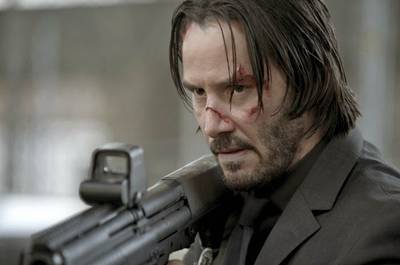
This is John Wick. You wouldn't want to piss him off. Image via teaser-trailer.com.
This is John Wick. You wouldn’t want to piss him off. Image via teaser-trailer.com.

John Wick, Keanu Reeves’ latest movie to hit the theaters is a fun, fast and exciting ride that deserves it’s current IMDB rating of 7.7 (and more). It accomplishes slick action with a budget of 20 mil, and entertains more than a lot of higher budget, CGI-filled action flicks.

And I’d thought it’d be just another ex-hitman-out-for-revenge movie. Sure, it is an ex-hitman-out-for revenge film, but the way it’s handled motive, dialogue, villains and shootouts make it different enough. Briefly put, it’s kept all the necessary clichés to make the protagonist badass enough with a humane side, but it’s eliminated some really too- frequently-used ones.

For instance, instead of a kidnapped/abused/killed family member or romantic partner, this badass seeks revenge because of the murder of his dog and the theft of his car. It could come across as ridiculous and light, but it doesn’t:

You see, our hitman left the world of crime to be with the woman he loved. Cliché, for sure. But let’s face it, we all love a tough male protagonist with a romantic side. He’s fallen hard, and has had a happy relationship until this woman he loved so much dies of a disease. That’s just one.

Why don’t we take a look at how the film manages to set itself apart? Warning: there will be many, many spoilers. Continue at your own risk if you haven’t seen it.

Not a cliché: Beloved wife doesn’t die by the hand of a bad guy.

But she is/was the only live thing he has cared about, and he’s barely buried her when he receives this cutest dog from her a present: she tells him he needs something to love besides his car. He needs not to be alone, he needs to be loved now that she’s not around. So of course he connects with this adorable puppy.

Now imagine a tough-as-they-come, grieving ex-hitman, right at the start of his mourning, being attacked in his home by a stupid, entitled punk (who happens to be the son of Russian mob boss Viggo) Ioef and his friends. The punks kill Wick’s dog, beat the shit out of him (in John’s defense he had no reason to expect a baseball bat from behind in the middle of the night) and steal his car.

Not a cliché: The (stolen) car shop owner is really pissed at Iosef’ s stupidity when he sees the car: he even punches him.

Not a cliché: Viggo calls the owner, and asks why he struck his son, quite calmly. I’d expect an outrage,  a team of thugs to beat the guy to death, or something. But this one is quite reasonable compared to many other mob bosses we’ve seen. And when the guy tells him that what his son did, he gets mad with his own son.

Not a cliché: The mob boss is actually quite smart (again, when compared to others). He hits his son, and explains why he did a very stupid thing. And before sending men after Wick (before Wick can kill the son), he calls Wick and asks if they can forget about the whole thing.

He knows exactly what Wick is capable of, and is reasonably scared: It’s refreshing to see a mob boss being realistic about who he’s dealing with, instead of thinking he can destroy anyone.

Realism: John goes out of ammunition, and we see him reload his weapon, take his enemy’s weapon or just use whatever is available to him. No endless ammo here.

Realism: John does get hurt. He does call a doctor. The doctor gives him pills to keep him going. So it’s not just adrenaline (or maybe the pills provide just adrenaline; I’m just pointing out he does get chemical help).

He gets hurt again toward the end, almost dying.

Realism: John calls a “cleaning crew” to rid his house of the bodies.

Fun: Cop shows up after a noise complaint: John did take care of 10-12 men after either shooting them or killing them other ways. There was massive struggle. But the cop asks if John is back to work, he says he is just that taking care of something. Cop leaves, knowing exactly who John is (and used to be).

Fun: A lot of the other humor comes from the fact the way some shooting scene are shot: like we see the victim dropping dead from a single shot before we see John Wick moving ahead coolly.

Funny/tragicomic/different: Viggo cares more about his own life than his son’s: he gives away his son’s location to Wick when Wick corners him and kills all the bodyguards. Of course being a man of his word, Wick lets Viggo go.

Cliché we love: Wick survives after everything, having avenged his dog and his wife’s memory. Realistic? Well, in this movie’s universe…kind of, yeah. After all, Wick is who you send after the bogeyman. Bogeyman is scared of this dude.

*

So in terms of reinventing the genre, Wick doesn’t do it. But what it serves the genre with refreshing elements, well-done, non-flabby dialogue; a decent, semi-dark sense of humor; the right music and perfect casting.

The writer (Derek Kolstad) has picked his clichés well: whatever clichés exist, they do a great job adding to the film’s pace and atmosphere.

A touch of realism here and there makes the film more fun, and gets us even more glued to the screen. I recommend this movie to anyone who loves the revenge thriller genre, whether you also write action thrillers yourself or not.

And remember folks, all clichés aren’t bad. If you know which ones to pick and how and where to implement them, they don’t ruin your story: they improve it.

Speaking of working clichés, you might also enjoy the post When It’s OK to Use Cliches in Your Writing: Hidden Metaphors – Poison’s Bret Michaels Style.

Filed Under: Fiction Writing, Writing Tagged With: cliches that work, john wick, john wick for writers, john wick keanu reeves, john wick story, keanu reeves, using clichés in writing, when to use clichés in writing

So What About Professional Novel Editing Services?

Posted on October 19, 2014 Written by Pinar Tarhan

Image via bookaddict24-7.com.

I’ve previously covered various screenplay coverage services on the blog, and I’ll keep updating you on the results. But what about novels? Should we try to get our novels reviewed by professional readers? When should we do it, and how much does it cost?

I have a beta reader who has been immensely helpful with the first three chapters of my novel, both with language and story. A couple of other friends have read and enjoyed the manuscript overall, though I’m not going to claim they were incredibly objective, I’m confident they did have a good time: I know their tastes, and they have read and commented on my stories before. So it was a safe bet.

So far, I haven’t been able to hook an agent, at least not with the first few pages of my story. Now that some of those pages took some rewriting thanks to my beta reader, I’m ready to send more queries and see if I get any requests.

I’ll also probably send the manuscript to Coverage Ink (included in the list below) for an overall review. They reviewed my pilot script before, and I found their comments very helpful, and to the point. And if they made 20 points, I probably only disagreed with (or wasn’t sure about) 2 of them, which means they got what I wanted to do with my story.

That’s one of the most important aspects of coverage for me: for the reader to be as objective as possible, comment on the marketability of the story and suggest ways on how to make the story catchier and irresistible, without changing its heart. I tried Coverage Ink after hearing about them via Stephanie Palmer’s Good in a Room blog. I’ll also resubmit the pilot after completing my editing.

They also offer proofreading services, and if you can afford it, I strongly recommend getting your story proofed as well as critiqued by people you trust.

So without further ado, below are some of the services you might consider starting your research with:

*(Please note that with the exception of Sigrid’s e-book, I haven’t used affiliate links in this article.)

– Writers & Artists:

Their services come in several stages, so you can send in anything from your first draft to final. Full manuscript review ranges from £680 – £1020. They also offer other packages, so do check out their site for more information.

– Sigrid Macdonald:

Sigrid is the author of Be Your Own Editor. I own this e-book and I’ve found it tremendously helpful. While it wouldn’t substitute for Sigrid reading every page herself, it’s a great alternative when you can’t afford editing services.

– Coverage Ink:

Coverage Ink offers different levels of coverage, so be sure to check your options out. You might also want to get a quote for your novel by submitting the first 5 pages.

– Writer’s Digest:

Writer’s Digest Shop offers manuscript critique for your novels. It’s currently 3 dollars per page.

*

Please keep in mind that this is not meant to be a comprehensive list, just a starting point for your research.

If you have tried editing services, please share your experiences in the comments.

Happy Editing!

Related Posts Plugin for WordPress, Blogger...

Filed Under: Fiction Writing, Writing Tagged With: novel editing, novel editing services, professional novel editing

  • « Previous Page
  • 1
  • …
  • 7
  • 8
  • 9
  • 10
  • 11
  • …
  • 16
  • Next Page »

Blogroll

  • My Entertainment Blog

My Other Blogs

  • Beauty, Fitness & Style for the Fun-Loving Gal
  • Dating & Relationships in the 21st Century

Categories

  • Author Interviews
  • Author news and coverage
  • Blogging
  • Book Launches and Excerpts
  • Book News and Author Interviews
  • Book Recommendations
  • Book Reviews
  • Career Management for Writers
  • E-Book Reviews
  • Fiction Writing
  • Fictional Writers: Writer Characters in Movies, TV Series and Books
  • Inspiration and Motivation
  • Marketing
  • Marketing Fiction
  • Movie and TV Series Recommendations
  • Novel Reviews
  • Paying Markets-Web and Print
  • Productivity & Time Management
  • Recommended Resources
  • Reviews for Tools and Devices
  • Romance
  • screenwriting
  • Self-publishing
  • Story Conflicts
  • Website & Blog Reviews
  • Writer Tools
  • Writing
  • Writing Tools
  • Writing Updates

Copyright © 2026 · Focus Pro Theme on Genesis Framework · WordPress · Log in

This website uses cookies to improve your experience. We'll assume you're ok with this, but you can opt-out if you wish.Accept Reject Read More
Privacy & Cookies Policy

Privacy Overview

This website uses cookies to improve your experience while you navigate through the website. Out of these, the cookies that are categorized as necessary are stored on your browser as they are essential for the working of basic functionalities of the website. We also use third-party cookies that help us analyze and understand how you use this website. These cookies will be stored in your browser only with your consent. You also have the option to opt-out of these cookies. But opting out of some of these cookies may affect your browsing experience.
Necessary
Always Enabled
Necessary cookies are absolutely essential for the website to function properly. This category only includes cookies that ensures basic functionalities and security features of the website. These cookies do not store any personal information.
Non-necessary
Any cookies that may not be particularly necessary for the website to function and is used specifically to collect user personal data via analytics, ads, other embedded contents are termed as non-necessary cookies. It is mandatory to procure user consent prior to running these cookies on your website.
SAVE & ACCEPT