Addicted to Writing

Manage Your Freelance Writing Career While Writing What You Love

  • About Pinar Tarhan
  • Blog
  • Books
  • Hire Me: Services
  • Contact Me
  • Portfolio
  • Favorite Resources
  • Newsletter

How to Write A Book Review: Tips to Make Writing Your First (or Next) Review Easy

Posted on November 28, 2021 Written by Pinar Tarhan


Writing a book review is not fun.

No, no. Let me rephrase that: The idea of writing a book review isn’t fun.

Writing the book review itself can actually be quite enjoyable. Once you set aside a little time, sharing your thoughts on a book you read with the rest of the world can be a rewarding experience.

There are generally two reasons people don’t like to write reviews.

  • They don’t have the time.
  • They don’t think they know how.

That’s it. And luckily, both of these can be remedied.

Do you remember having to write book reports in school? We had to answer specific questions, were expected to fill a certain number of pages, we had to deep analyses…

It felt like such a chore, and this is coming from someone

1) likes books!

2) loves to write (duh!)

3) and someone who likes to share her opinions with the world. (double duh!)

But reviews aren’t book reports.

For one, they aren’t mandatory. And for two, they aren’t graded.

Why leave a review?

Because it really helps the author. It increases visibility. It provides social proof. More visibility and social proof lead to more sales, which lead to more reviews…creating a lovely, virtuous cycle.

People start to notice the author more. So the author can write more books because they can actually pay their bills.

Your review might be the reason someone decides to buy (or not buy) the book. So, you are also helping out fellow readers.

Now, at this point, Dan Brown will live just fine if you don’t review his latest book. I just opened up my Amazon tab and typed in Dan Brown. He has thousands (or even tens of thousands of reviews) on his books.

So, people will leave reviews, and he can live if he doesn’t get the 16,000th one. (I love Dan Brown by the way. I’m just pointing out how successful and well-known he is.) Readers also have plenty of information to decide whether to pick up their next book or not.

On the other hand, other writers aren’t so lucky. We have to work really hard to get those initial reviews, and even getting to double digits takes a lot of work in the beginning.

So, you make authors really happy.

Are there rules to how to write a review?

Yes, and no.

The more specific you are about what you like and don’t like about the book (without spoiling things of course), the more you will help out readers and authors.

Authors will treat it as feedback, and readers can make a more informed decision.

Just saying something like “this book rocks”, or “this sucks!” doesn’t help anyone.

If you liked the book, give examples.

If you didn’t like the book, you guessed it, give examples.

And it is also okay to be neutral about the book, or have both enjoyed some parts and disliked the others.

Things to consider when writing a review (so it becomes easy and fast):

For fiction

Note: You don’t have to mention all of these. These are just ideas to get you started. Usually, a well-written paragraph suffices. A few paragraphs? The writer will think they are in heaven. But even a few coherent and specific lines will do if you are in a hurry.

– Writing style/author’s voice.

How was it? How did it make you feel? What was good? What was lacking? Who do you think they are similar to? In what way?

– Characters.

Were they interesting? Were they memorable? Who was your favorite? Who did you hate? Did you hate the character because the author meant for you to, or did you just not connect with the protagonist at all?

– Plot.

Was it fun? Engaging? Scary? Boring? Full of surprises? A mess?

– Ending.

Was it satisfactory? Was it what you expected? Was getting what you expected good or bad, in terms of the genre/this book’s story?

– Pacing.

Did the author keep you awake at night, or did you have to force yourself to keep your eyes open? You can just say it lagged at times, or that you appreciated the flow.

– Dialogue.

Enough? Too much? Too little? Was it funny? Did it sound natural? In character? Interesting? Were there too many monologues?

– Genre.

Was this book a good example of its genre?

–  The future.

Would you consider reading more from this author?

– The future of the characters/storyworld.

Would you like to see more adventures from these characters? Which ones? Why?

This can inspire/motivate the author to create more books featuring these characters.

For non-fiction

– Did you find the information useful?

– Did the author deliver on what they promised?

– Was it entertaining and/or informative? Was it interesting?

– Was it comprehensive enough? Did you find it too short or too long? Or was it the right length?

– What did you think of the writer’s voice? Their writing style? Their use of language?

– Would you consider reading more from this author?

– What could the author have done better?

– Would you like to learn more from the author? If so, what? This not only motivates the author, but it helps them create a book that is better suited to their target audience’s wants and needs.

What to avoid

– Don’t give spoilers. Some people still swear at the people who ruined The Sixth Sense’s ending, and it’s understandable.   The ending makes that movie, really.

– Don’t blame the writer for your own mistakes.

If this is a 3-book series where you need to have read the first ones to follow the plot, and this was noted on the product page, then don’t start at book 3.

If you have and found it hard to follow and rate the book at 1, well…you know where this is going. Please don’t be that reader.

– Don’t be nasty. Is it really the worst book you’ve ever read? And even if it is, do you really need to put it that way?

Maybe list what hasn’t worked for you and expand on that.

You can be critical and leave a not-so-positive review without being rude and sending the author to a potential breakdown.

– Consider if you are in the target audience.

If you are an expert, a book for newbies might not appeal to you.

If you are a romance reader, you might not enjoy a psychological horror.

– Be specific.

Did you find the characters unbelievable? Or did you feel like you’ve known the protagonist all your life?

Did you think the main romantic couple made a good match?

Were the subplots satisfactory and relevant, or did they seem redundant?

Take some notes.

With the questions above to get you going, take a few notes.

It’s okay to go back to the book for a couple of pages to refresh your memory. I often do.

Then write your review in a coherent manner.

You don’t actually need to be answering the questions. You can write the first few things that come to your mind, give it a quick read to see if it’d make sense to an outsider, and publish it.

But do make sure it is easily readable through punctuation and good grammar. It doesn’t have to be perfect, just understandable.

It gets easier after the first few!

Like most things, practice makes perfect. Words will be pouring out of your mouth and onto the screen in no time.

Where to leave the review?

– Amazon and/or the retailer you purchased it from.

If an author is available on Amazon, they will appreciate a review there. But if you bought the book on Kobo, go ahead and leave it there. (This applies to all retailers.)

To leave a review on Amazon, you scroll down on the book’s page, and on the left-hand side, you’ll see the write a product review button.

Click on it. Rate it, write your review, and click submit.

You’re good to go.

– Goodreads. Goodreads is a great place for reviews, but I prefer it if readers can leave the review on Amazon first.

*

Don’t leave a review if you don’t want to, or if you are really crunched for time. But know that authors and readers appreciate it a great deal.

A Sample Review

Let’s write a review right now:

A book review I write for a Jack Reacher novel might go like this (Because this is a series, everything I said so far goes for every Jack Reacher book):

Jack Reacher is the epitome of the badass, tough protagonist that you’ll definitely want on your side if you get in trouble. He is fair, cares about justice, and people and the truth matter more than the law.

Each book follows Jack Reacher on a different adventure against different villains, but the books always deliver with fast pacing, fun dialogue, tight plots, and great fight scenes.

I honestly would love to be Jack Reacher even for a day.

…. (and yes, I’d continue this with my comments on that particular JR book.)

See, even the protagonist had me going…Yes, I really love Lee Child and Jack Reacher.

—————————————————————————————————————————

Your reviews can be longer or shorter. More or less detailed. More positive or negative.

At the end of the day, it is just you telling other people what you liked (and/or didn’t) like something and why.

Reviews Readers Left for My Books

Below are some of my favorite lines from reader reviews for my romcom drama A Change Would Do You Good (Amazon affiliate link):

You can read these reviews in their entirety on Goodreads.

“I loved this story and all of the wonderful characters in it. The author has given them all such unique personalities and the way that they interact with each other in this tiny apartment complex will have readers laughing until they cry.”


“There is a happy ending although I would definitely love to see what is in store for more of their futures! A fun read I could not put down!”


“Nice story with compelling subplots…”


“It portrays several characters who connect to each other in some way. The chapters are divided into little sections — always from a different point of view — so the reading is very dynamic and you never get tired of following someone’s story.”


—————————————————————————————————————————

For more inspiration, below are two reviews I wrote:

Review for Niksen: Embracing the Dutch Art of Doing Nothing by Olga Mecking  (non-fiction)

Passport Control: Review for Gila Green’s Novel

*

Go ahead. Write a review. It’s actually fun. At the end of the day, you’re sharing what you liked (or didn’t like) with fellow readers.

(Note to self: Remember to leave reviews more often!)
Filed Under: Novel Reviews, Writing Tagged With: how reviews help writers, how to leave a review, review writing, review writing for readers, review writing tips, why you should leave a review

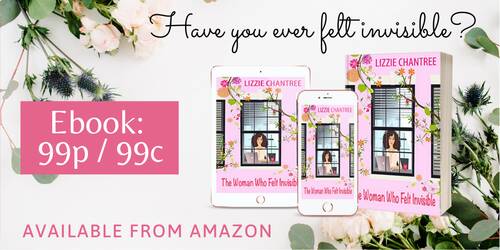
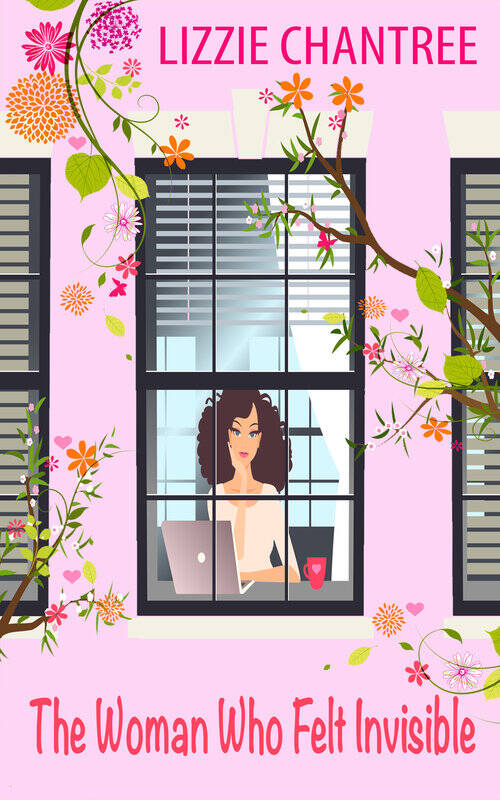
Lizzie Chantree’s New Romance Novel: The Woman Who Felt Invisible

Posted on November 23, 2021 Written by Pinar Tarhan

Lizzie Chantree is an international bestselling romance author who frequently writes about entrepreneur-minded female protagonists.

Her latest novel, The Woman Who Felt Invincible is out today. Read on for the book’s blurb, more about Lizzie.


Blurb for The Woman Who Felt Invisible

A gorgeous romantic story of love and new beginnings. Learning to love herself and be content on her own is the first step. But will Olivia be able to leave her past behind, follow her heart and find lasting happiness? A read full of humour, romance, and tear-jerking reality, from international bestselling author, Lizzie Chantree.

Have you ever felt invisible?

Working as a stationery supervisor and a sitter to a pair of internet-famous, delinquent dogs, wasn’t how former cyber-specialist, Olivia, imagined her life turning out.

Working in a tiny cubicle with a decrepit computer and being overlooked had suited her for a while, but now she’s fed up, lonely and determined to make the world ‘see’ her again.

Old school friend, Darius, wants to fill Olivia’s days with romance, but their love of technology has taken them on very different paths.

Gorgeous undercover policeman Gabe, is steadfast in finding out if Olivia was part of an online scam, but something doesn’t feel right and he suspects someone else was manipulating her life.

Can love blossom from the most deceptive of starts? And can someone who feels lost, find a way to flourish against all odds?

*

More on Author Lizzie Chantree

International bestselling author and award-winning inventor, Lizzie Chantree, started her own business at the age of 18 and became one of Fair Play London and The Patent Office’s British Female Inventors of the Year in 2000.

She discovered her love of writing fiction when her children were little and now works as a business mentor and runs a popular networking hour on social media, where creatives can support each other.,

She writes books full of friendship and laughter, that are about women with unusual and adventurous businesses, who are far stronger than they realise. She lives with her family on the coast in Essex. Visit her website at www.lizziechantree.com or follow her on Twitter @Lizzie_Chantree.

*

Lizzie runs the fabulous Facebook group Lizzie’s Book Group, where authors connect with fellow authors and readers can discover great new books. And yes, I’m one happy member.

Want to read more about Lizze Chantree on this blog? Check out the following:

Interview with Author Lizzie Chantree and Her Newest Book Launch News

Book Review: Lizzie Chantree’s Networking For Writers


Filed Under: Author news and coverage Tagged With: lizzie chantree, lizzie chantree author, lizzie chantree books, lizzie chantree the woman who felt invisible, new romance novel, the woman who felt invincible

11 Reasons I Love to Write

Posted on November 15, 2021 Written by Pinar Tarhan

Look at me loving to write. 🙂


Whether you’re a writer or you want to be one, you should know the answer to these questions:

  1. Would I still write if I didn’t make any money from it?
  2. Would I still write this particular story even if no one would read/buy/like it?

Now, writers do make money. It just can be a long and arduous road to get there, depending on the path you chose.

And there are generally readers for pretty much anything – it is just a matter of how many readers there potentially are for that particular story, and knowing how to reach them.

So, if you can make money and have readers, why ask the two questions in the first place?

Because as fun and rewarding writing for a living is, it is also challenging, frustrating, infuriating, difficult, and sometimes, downright complicated.

Whether you write, fiction, non-fiction, or both, the above statement holds.

So, the two questions come in handy. The first one tells you if you have what it takes, and the second tells you how much you love a story.

It’s perfectly okay to answer no to either or both.

In fact, if you are not emotionally attached to your story ideas (question 2), you might have an easier time building an audience or selling to editors. Because if one doesn’t sell, you move on. The downside of not being attached to a story idea is that you might give up too soon. You might not always recognize what works, and you might be pulling your hair out in the middle of your novel when things have started to sag.

If you love a story idea, you will pull through writer’s block, the initial phases where no one knows your name and feel like you’re writing into the void. And you will end up selling stories close to your heart, maybe years after their conception.

If you are only in it for the money, more power to you. But honestly, there are easier, less frustrating ways to earn a living.

I wish we all became Dan Browns and Sophie Kinsellas overnight. But no one becomes a Dan Brown or Sophie Kinsella overnight, including Brown and Kinsella themselves.

Why being a writer is can be so maddening is another story for another post.

You’ve probably guessed it: My answer to both questions is a resounding yes.

I absolutely love to write. I can and do other jobs in addition to writing, whether it is for fun, money, or both. But I could never stop writing, and writing could never be anything but my first and biggest love.

Today is I Love to Write Day. And in its honor, I compiled the 11 reasons I Love to Write.

  1. Entertainment: for myself

I love to have fun. I know everybody does, to some extent. But I try to maximize the fun I’ll have in every situation whenever I can.

Partly because I couldn’t always have as much fun as I wanted as a kid. (And later as an adult…well, in addition to the usual challenges, we’ve been going through a pandemic!)

OK, back to my childhood…

I was an only child who had some bad luck when it came to friends. I was also what we call an apartment kid. I lived in a building, and not in a detached house. We lived in the city, and not in the suburbs. Don’t even get me started on the lack of parks when I was growing up. And let’s not even think about how lousy the education system was/is.

Just imagine: I had to take private tutoring on the weekends as a kid in fourth and fifth grades so I could get into a decent, public but revered middle/high school so I could have a good future with good options. Yes, I was middle class, and we could afford it.

But it is still horrifying to let go of being a kid to study. And yes, it is worse if you can’t afford the courses. (The system did rear its ugly head during and after high school, during and after uni too. I’m still suffering from chronic health and mental health issues as a result, which regularly decreases the quality of my life.)

Add some hyperactivity and restlessness and getting easily bored…

But I had one thing: Imagination. A wild, also hyperactive imagination.

I often liked escaping through my thoughts if I had to sit somewhere for long or tolerate something I didn’t like.

And when I realize I could make stuff up, I felt like a genius. I had “cured” boredom, and I could even handle most of my problems through it.

Everything became more fun.

  1. Entertaining others

Being able to entertain yourself so you are never bored is a great talent, but it is even more rewarding when you can also entertain others.

I think I was around 15 or 16 when I discovered this. I had spent an amazing month in the summer in Santa Barbara, and all the sun/surf/sand inspired my novel, A Change Would Do You Good.

But when I first created it, it was a TV series.

When my friends heard I was writing this fun episodic show set in Cali and starring quirky characters, they wanted to read.

So, I printed each episode out and handed the pages over.

Sometimes, I even lent them my cassette tapes if the story mentioned a specific song. (Yes, I’m this old.)

It was such a fantastic experience to have them talk about my characters, critique the events, list their favorites and least favorites.

This experience also taught me a valuable lesson in writing: People’s tastes vary so much – even among people who are enjoying the same thing. One friend’s favorite character was another’s least favorite, for instance.

  1. Escapism: to escape and to help escape

I’m huge on escapism, as reason 1 probably already made clear.

Living in the moment, depending on where you are and who you are with, can be overrated.

In high school, I was a good student, but I didn’t really care for any of the subjects other than English.

And since I could get good grades just by reviewing lesson materials, I could often be found writing down the events and dialogues of my stories if the subject matter didn’t interest me or I couldn’t stand the teacher. (Yes, I’m an outliner/plotter. Not a strict one, but I do know what will happen in the story before I type.)

And while I think more fondly of some high school moments now than I did at the time, I was still so bored so often that I was a very productive writer.

I imagined what-if scenarios, what I would do in those scenarios, what activities I would want to do and which stuff I’d hate to try…Where would I live when I had a lot of money? What would I wear when I won the Oscar for Best Screenplay?

You know, regular teenage stuff…:)

When I write, realism isn’t nearly as important as escapism and entertainment. I’m not saying research and facts aren’t important, they absolutely are.

But if I want to write about a young glam metal (think Motley Crue, KISS, Def Leppard) band that made it in the present (and I have), I’m not going to care this genre reached its peak in the 80s and 90s.

Writing is fantasy fulfillment, and why not create the type of world you’d want to live in?

This is the reason I don’t write dystopias. I love a fun action comedy and a great thriller. And if/when I have those ideas, I write them as well.

But my most beloved genre is romcom (or romcom drama) because it makes it easier and more fun to escape with.

  1. Romance

This has strong ties to escapism and entertainment. Comedy makes you laugh, drama keeps you grounded (and let’s face it, the right kind and amount of conflict keeps things exciting), and romance gives you passionate bliss.

If you’re a romantic who knows exactly what she wants (and what she definitely doesn’t want), sometimes writing your own stories is the best way to go.

Life is a bit harder when you are a romantic. A couple of experiences is usually enough to get you out of the hopeless and optimistic labels, but you still keep your ideals. You just know your turn-ons and turn-offs, and I’m not talking just about the sexual stuff.

It gets even harder when you also love to have fun. Because people tend to equate fun with casual flings and one-night stands, and the concept of being a romantic with wanting a ring on your finger.

You’re left in the middle wanting excitement and affection, honesty and laughter, consistency and thrill – all at once.

Your friends might chew your ear off about their expectations, beliefs and experiences, mostly deeming you either a dreamer or a pessimist who hates romance. Or funnily enough both, just by different people.

I confuse people because I adore rock music and dislike poetry. I like looking at flowers but I’m neutral about buying or receiving them. I might buy cute candles but I never light them. My favorite movies range from Braveheart to Speed, The Crow to Strange Days, Pride and Prejudice to Bruce Almighty.

I don’t read comics but I’ll happily watch the movies. I don’t generally do video games, except if you have Guitar Hero or Tekken. Then you might have to fight me to for a turn. The most thing romantic you can do is to be there for me when I need you. You really don’t need to stand outside my window with a boombox.

This is NOT bid to say “Oh, look how different am I.” It IS a bid to demonstrate we are all different, and we are both joined and separated by the kind of stories we enjoy.

I market my books by saying I write romcoms even guys can enjoy. (I have asked guys: They confirmed.)

Which basically means: I create good-looking characters but those good looks aren’t dedicated 10 pages.

My characters have other purposes in life than finding love. And after finding love, they actually make an effort to keep it.

The romance is strong and vibrant, but these characters have other people in their life that matter a whole lot: friends, family, co-workers, neighbors. They have dreams and hobbies. Their relationships aren’t toxic or co-dependent.

I write the kind of characters I’d fall for, the kind of romances I wouldn’t mind being in.

I don’t kill off my protagonists. I don’t give them terminal illnesses. And they don’t cheat on each other.

They know themselves. And if they don’t know what they want to do in life, they aren’t above asking for or accepting help to figure stuff out.

And most importantly, I provide happy endings.

  1. Living countless, limitless lives

This list isn’t in an order of importance. All of these reasons are significant to me.

I love to write fiction because I don’t get to live one life; I live countless lives.

Because when I write, I am all my characters. I might have more in common with some than others, but so far, I’ve been a rocker, pro surfer, fashion designer, cop, marketing professional, thriller author, PR genius, actor, model,  therapist, journalist, student, teacher, race car driver and more.

Surfing is glorious! At least, that’s how I imagine it to be. I’m longing to learn it one day. But I can practically feel the waves.

I’ve skydived, spoken different languages, danced, sung to thousands of people in a stadium, won surfing competitions, made the world a better place, driven a Jaguar, strutted on the catwalk, and a lot more.

As you can imagine, I’ve done and been only a fraction of these things in real life.

This is an absolute blessing, and I wouldn’t change this for the world.

Oh, don’t get me wrong. You can give me the world. But even if I had it, I would still write.

  1. Learning – about different cultures, jobs, personalities.

In this fast and dizzying chaos that we call life, it’s hard to take time to sit down and learn about all the things you are wondering about.

You need to make money, exercise, see friends, make time for family, go on that date, cook, run errands, sleep, travel, spend some time on your hobbies, make healthy changes, see doctors about your problems…

Help!

Right?

Except, when you are a writer, learning is a legitimate, paid activity. It is an essential part of your job.

What’s that pretty, quaint town in France called?

What’s the distance between San Diego and Stanford?

Does this happen like this in real life, or do I take the liberty of creative license for a more entertaining story?

What’s the name of this dance move?

Can someone with this job afford this apartment?

And a whole lot more…

And then there is the non-fiction part too.

You get paid to learn what you want to learn. And that’s priceless.

  1. Having a place to apply/share/teach what I’ve learned and studied

I did learn, and then I get to share it.

You can write what you know. You can find out about what you want to write.

Either way, you get to share it all with others.

  1. Therapy

Good therapy and the advancement of psychology/psychiatry are life-savers.

Having a good understanding of the human mind, and especially your own, is a life-saver. It enhances compassion and empathy. It increased the quality of your life. It helps you deal with trauma and slay your demons. It improves your physical health.

I go to therapy in real life, and honestly, I wish I had started earlier.

I do my best to destigmatize mental health issues, and I underline the importance of recognizing the need to talk to a competent, professional who passes your vibe check. (Your personalities and the therapist’s approach need to be a match.)

So, in practically every story, I take a character or two to therapy.

I also write essays that cover mental health.

Going to actual therapy is great. But honestly, for me, the best therapy is the combination of my therapist and my writing.

The relief, the fun, and the understanding you receive from others is something else.

And when a reader reaches out to you and says, “Thank you! I’ve been through this exact same thing.”

That’s the best feeling.

  1. Money/living/career

Would I write if I wasn’t being paid? Yes.

Do I love the fact that I’m being paid? Also yes.

Writing is a skill. It’s a craft. It’s hard work. Sometimes, it’s even blood and tears.

It takes patience. It can cause issues with loved ones. It can create health problems.

Yes, it can help with health problems. But with all the amount of sitting, wrist action, the unpleasantness of rejection and hair-pulling, it also messes with your health.

So, it is only fair that we get paid.

People need therapy. Escapism. Entertainment. Being informed. Love. Big dreams. Different worlds…

I firmly believe that while money can’t buy happiness on its own, it definitely helps with buying what makes you happy.

  1. The possibilities.

There’s a lot that being able to write can bring.

I’ve been invited to conferences (all expenses paid) and got to see different parts of the world. I’ve been reached out to by a reader in Britain and read by someone in Spain.

I got into programs to study things I’m interested in. It helped me express myself, get to know amazing people, work with awesome editors, and a whole lot more.

  1. Sharing my love of a particular story/for characters with an audience

Would I write if no one liked, read, or saw my work? Yes.

I love living my head, but I also love pouring those words and characters and stories out on the screen and the paper.

I love being read by people I know and don’t know.

Have you ever enthusiastically discussed a favorite, book, movie or TV series with a fellow fan? It’s so much fun! You also feel seen and understood. You don’t feel alone or like you are weird. You laugh and cry together.

Now take that feeling, and multiply that by a billion.

That’s how awesome it feels when someone enjoys your work and you’re talking about the events/characters/message/lines of your stories.

Priceless. Life-changing. Like a million dollars.

Never had a million dollars, but I’m assuming it’d be a life-changer.


*

Different writers have different reasons. Experienced writer, journalist, and published author Olga Mecking writes because:

“Writing allows me to organize my thoughts and tell people about things I find interesting or important. Also, I get to talk to really smart people about what interests them and then I get to tell it to more people.

I always wanted to be a translator, and for a person who speaks many languages it makes sense, except it didn’t happen. But writing is similar, but now I translate whole concepts, not words.

I also like learning new stuff and writing is a very wide area ranging from fiction to copywriting so there is a lot to learn.”

*

Your reasons why you love to write might be similar or different. But in the end, we all love it!

Happy “I love to write” day to all!

Why do you love to write?


Filed Under: Inspiration and Motivation Tagged With: reasons I love to write, why we write, why writers write, writing

6 Things Readers Can Do for Indie Authors (aka Self-Published Authors)

Posted on November 13, 2021 Written by Pinar Tarhan

Happy Indie Author Day!

Indie author and self-published author are basically the same things, except a quick search online tells me indie author means someone who writes and publishes their books for a living, while a self-published author can write just for family and friends.

I don’t mind either term, but I prefer self-published.

Since I’ve had to do a lot myself, I liked the word self in there.

And even though you hire people for some of the crucial tasks like editing and cover design, you still have to come up with the money yourself.

With the definition of the concept out of the way, I’ll explain why my non-self-publishing audience should care. (I’m sure my fellow self-published authors will be nodding along the way.)

Self-publishing is becoming the go-to-choice of increasingly more authors, including previously traditionally published ones. Some authors choose to enjoy both worlds while quite a few stick to one team.

Self-publishing has a lot of attractive pros, both for the reader and the author:

  • There are no barriers to entry.

This doesn’t mean self-published authors can and should ignore quality. On the contrary, they have to constantly up their game so they can keep up with all the books being published, by traditional authors and other fellow self-published authors.

What no barriers means, instead, is that writers can get their words out there more quickly as opposed to chasing after agents and publishers for years on end.

  • They can be as slow or as fast as they like.

Self-published authors aren’t bound by the same length expectations of traditional publishers or certain agents.

They can write shorter books, publish more frequently, and in doing so, unite readers with awesome story worlds faster.

  • They can price at will.

Exceptions aside, self-published authors look at other self-published authors and reader expectations for pricing their books.

Most indie e-books books change from free (as in the writer is giving away this book) to $4.99. (At least this is so in the romance genre.)

Traditionally published books are usually more expensive.

  • It’s easier to build a direct relationship with the author.

While there are self-published authors making all sorts of bank and bestsellers list, many don’t have thousands of raving fans yet.

Obviously don’t get your stalk on, but you’ll have an easier time reaching the author.

Authors remember reviews that go into detail about favorite characters and non-spoiling accounts of what the reader enjoyed the most.

You might end up voting on the cover of the writer’s next book, helping name a character, deciding on a certain twist or other important story detail.

Traditionally published authors might get a vote on their cover themselves, but the publisher won’t be likely asking for your opinions.

*

So there you go. These are 4 great reasons to read more indie authors, if I say so myself. And yes, I read a lot of self-published authors. I walk the walk. 😉

Now that you know the why, if you want to help your favorite self-published authors reach a bigger audience (because a bigger audience means a better chance of making a living which consequently means, you guessed it, more great books), there are 6 things you can do.

6 Things Readers Can Do for Self-Published Authors

  1. Read the book.

OK, I know you are saying no shit, Sherlock. But hear me out.

Reading the book might be the most obvious thing, but it’s certainly not the easiest.

Reading takes time. I can’t read as much as I want to, and I read like crazy.

Taking the time to read someone’s work in its entirety is the single best thing you can do for them.

How can you read the book?

Well, you can buy it, yes.

Or you can borrow it if the book and you are both on Kindle Unlimited.

But you can also offer to beta read or read a review copy.

Beta-reading is when you help an author improve their drafts. You might or might not get to read the final version.

Authors always need more reviews (which I will get into in a bit.) So, before they launch, they will post on their social media and write in their newsletters, asking for early readers (so that they can read and review the book).

How do you receive those newsletters? You subscribe to their email lists. How do you subscribe? Well, they will be promoting it left and right.

Want to get on mine? Here’s the link: https://writing.pinartarhan.com/newsletter/ Subscribing to author newsletters has other benefits, which I’ll get to shortly.

  1. Buy the book.

This again?

Well, yes.

If you can afford it and think the author is worth it, you should buy the book even if you received a free copy.

This is how online bookstores come to decide the author is worth reading so their algorithms recommend their books to more people.

More purchases lead to more purchases.

  1. Review the book.

Review the book. If you hate Amazon, review it on Kobo. Or Goodreads. Review it on your blog or social media.

But review it.

If the book is on Amazon, though, the writer will especially appreciate the reviews there.

Amazon has a bunch of strict rules about who can review what. And not everyone who reads the book leaves a review.

Then there is the regional stuff. I have reviews scattered around Amazon. Italy, The Netherlands, UK…Which is great, but when someone goes on Amazon.com, they will see fewer reviews in total because reviews are not all in the same place.

No/few reviews stops or slows down sales. More reviews keep the book more relevant. Amazon shows it to more people. More sales.

Whether the book has 1 review, 10 reviews, or 50 reviews, that author needs your review. But the book with fewer reviews needs reviews more than the others.

And please don’t be daunted by the word review either. No one wants a book report.

But a writer needs a bit more than “I loved it/I liked it/It was okay.” You can mention parts you enjoyed, characters you identified with, being impressed with the quality of twists (without spoilers), talk about how well-written the sex scenes were…

Anything about the book/writer’s writing style is fair game as long as you don’t give away spoilers. (And if you didn’t enjoy the book, keep it constructive and decent.)

And if you want to do the writer a real solid, give them permission to use your name and review as a whole in their marketing of the book.

  1. Spread the word about the book, online and offline.

Writers need readers. And word of mouth can spread like wildfire. But someone needs to light the spark.

If you enjoyed the book, tell people. Tell them in person. Tell them online.

Post about the book on social media and/or website if you have it.

If you are following the writer on social media, like/retweet/upvote/share/etc. their posts. This will help increase their visibility.

  1. Talk about this book and other books with the writer

Whether the writer is your friend or someone who is just really good at engaging with (potential) readers online, writers love to discuss their stories.

For a lot of writers, their books are their babies. You can talk about what you liked. You can talk about what you didn’t like (but be gentle.) You can discuss suggestions and expectations.

This will inspire and motivate the writer. This might prevent them from banging their head on their desks when they are lost.

When readers talk to me about their favorite events, characters, expectations, surprises and ask questions, it’s one of my favorite things in the world.

  1. Subscribe to their newsletter.

Email newsletters are the direct communication link between the author and the reader.

Authors share their news, latest blog posts, upcoming projects, *free stuff, answer reader questions, and more in their emails.

The free stuff is exclusive to the email list and can be anything from sample free chapters to deleted scenes, bonus chapters to character interviews, fun trivia to entire new stories/books.

You can also ask questions, send requests and reviews to the writer.

*

Happy Indie Author Day!

If you are a reader, thanks for supporting us.

If you are an indie author, may all the right fans find you.

Related Posts Plugin for WordPress, Blogger...

Filed Under: Self-publishing, Writing Tagged With: indie author day, indie authors, reader reviews, self-published authors, self-publishing

  • « Previous Page
  • 1
  • …
  • 9
  • 10
  • 11
  • 12
  • 13
  • …
  • 76
  • Next Page »

Blogroll

  • My Entertainment Blog

My Other Blogs

  • Beauty, Fitness & Style for the Fun-Loving Gal
  • Dating & Relationships in the 21st Century

Categories

  • Author Interviews
  • Author news and coverage
  • Blogging
  • Book Launches and Excerpts
  • Book News and Author Interviews
  • Book Recommendations
  • Book Reviews
  • Career Management for Writers
  • E-Book Reviews
  • Fiction Writing
  • Fictional Writers: Writer Characters in Movies, TV Series and Books
  • Inspiration and Motivation
  • Marketing
  • Marketing Fiction
  • Movie and TV Series Recommendations
  • Novel Reviews
  • Paying Markets-Web and Print
  • Productivity & Time Management
  • Recommended Resources
  • Reviews for Tools and Devices
  • Romance
  • screenwriting
  • Self-publishing
  • Story Conflicts
  • Website & Blog Reviews
  • Writer Tools
  • Writing
  • Writing Tools
  • Writing Updates

Copyright © 2026 · Focus Pro Theme on Genesis Framework · WordPress · Log in

This website uses cookies to improve your experience. We'll assume you're ok with this, but you can opt-out if you wish.Accept Reject Read More
Privacy & Cookies Policy

Privacy Overview

This website uses cookies to improve your experience while you navigate through the website. Out of these, the cookies that are categorized as necessary are stored on your browser as they are essential for the working of basic functionalities of the website. We also use third-party cookies that help us analyze and understand how you use this website. These cookies will be stored in your browser only with your consent. You also have the option to opt-out of these cookies. But opting out of some of these cookies may affect your browsing experience.
Necessary
Always Enabled
Necessary cookies are absolutely essential for the website to function properly. This category only includes cookies that ensures basic functionalities and security features of the website. These cookies do not store any personal information.
Non-necessary
Any cookies that may not be particularly necessary for the website to function and is used specifically to collect user personal data via analytics, ads, other embedded contents are termed as non-necessary cookies. It is mandatory to procure user consent prior to running these cookies on your website.
SAVE & ACCEPT